
Blog
Physiotherapy Empowers Individuals With Recovery And Prevention
Published
Updated
Written by Lee Grunberg, M.B.A. — President & CEO
Reviewed by Bethel McMaster, BScN, RN — Director of Business Development

On this page14 sections
Key Takeaways
- Physiotherapy aids recovery by restoring movement, reducing pain, and rebuilding strength.
- A thorough assessment identifies the root cause of pain or injury before treatment starts.
- Personalized plans include exercises, manual therapy, and education for optimal results.
- Physiotherapy also minimizes future injury risk through movement correction and prevention strategies.
- Patient education equips individuals with tools for managing recovery and supporting long-term wellness.
Pain has a way of quietly changing the little moments that matter most. A loved one who once enjoyed gardening may begin avoiding the yard. Favourite walks become shorter, getting in and out of a favourite chair takes more effort, or family outings start to feel exhausting instead of enjoyable.
Integracare's physiotherapists can tailor treatment to each client's unique needs, helping them continue doing more of the activities they enjoy with greater comfort and confidence. When care is provided at home, treatment can be adapted to the person's environment and goals, helping recommendations feel more practical and sustainable. Our physiotherapy meets people where they are, building on their strengths while helping them overcome the challenges that may be affecting movement and confidence.
How Physiotherapy Fosters Recovery and Resilience
Physiotherapy is essential for understanding and reclaiming your movement. It empowers you to explore what may be limiting your mobility and offers safe strategies for recovery while prioritizing your long-term well-being.
Many clients experience reduced pain, improved balance, stronger muscles, and increased confidence in their daily activities. At Integracare, we emphasize the importance of having a compassionate professional by your side, guiding you through each step of your recovery. You’ll receive the compassionate support you need as you work towards your goals and embrace a healthier, more active life.
Every Personalized Treatment Plan Starts With Understanding the Person
No two people experience pain, injury, or recovery in the same way. That's why effective physiotherapy begins with listening first, not treatment. Understanding how someone moves, where they're experiencing discomfort, and how those challenges affect daily routines helps create a plan that's both practical and meaningful.
Our physiotherapists take the time to complete a thorough assessment before recommending treatment. Rather than focusing only on symptoms, they look at the bigger picture to understand what's contributing to pain or limited movement. This thoughtful approach allows treatment to be tailored to each client's health, goals, home environment, and recovery journey.
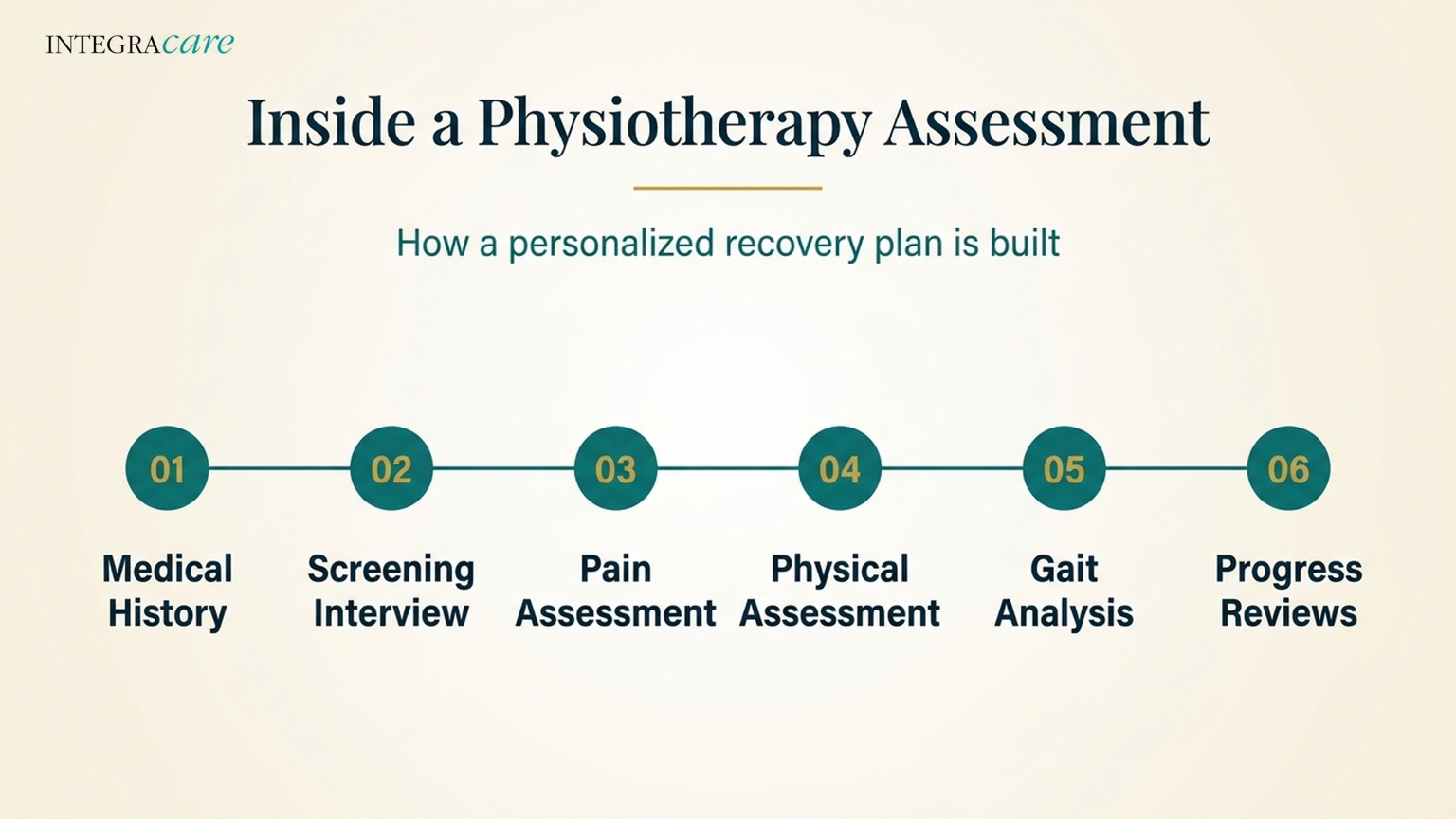
A comprehensive assessment may include:
- Medical History Review: Understanding previous injuries, surgeries, medical conditions, and other factors that may influence recovery.
- Screening Interview: Discussing symptoms, daily routines, personal goals, and the activities that have become more difficult.
- Pain Assessment: Identifying the location, severity, and triggers of discomfort to better understand the underlying cause.
- Physical Assessment: Evaluating strength, flexibility, joint mobility, balance, coordination, and overall movement.
- Posture and Gait Analysis: Observing posture, walking patterns, and movement mechanics that may be contributing to pain or increasing the risk of injury.
- Hands-On Assessment: Gently assessing muscles, joints, and soft tissues to identify areas of tension, weakness, or restriction.
- Functional Movement: Looking at how everyday activities such as standing, walking, climbing stairs, or getting in and out of a chair are affected.
- Ongoing Progress Reviews: Regularly reassessing progress so treatment can be adjusted as strength, mobility, and recovery improve.
This assessment becomes the foundation for a personalized treatment plan that continues to evolve alongside the client. As progress is made or goals change, our physiotherapists adapt recommendations and exercises to ensure care remains effective, relevant, and focused on helping clients move with greater comfort and confidence at home.
When Can Physiotherapy Help?
Many people think physiotherapy is only necessary after a major injury or surgery. In reality, physiotherapy can help address a wide range of conditions while also preventing small problems from becoming larger ones.
You don't have to wait until pain becomes severe before seeking help. Early assessment and treatment can often reduce recovery time while helping you stay active and independent.
Physiotherapy may be beneficial if you or a loved one is experiencing:
- Ongoing neck, back, shoulder, hip, or knee pain
- Arthritis or joint stiffness
- Difficulty walking or maintaining balance
- Reduced flexibility or mobility
- Muscle weakness
- Recovery following joint replacement or surgery
- Sports or recreational injuries
- Frequent falls or concerns about falling
- Chronic pain conditions
- Stroke or neurological conditions affecting movement
- Age-related mobility changes
- Difficulty completing everyday activities safely
For older adults, physiotherapy is an important part of staying independent. It can improve strength, balance, and mobility, and for people living with dementia, it may also help maintain function, reduce falls, and support safer participation in daily routines.
Signs You May Need Physiotherapy
Healing is a process, and it can be a struggle. Injuries don't always heal properly on their own, so proper routines, habits, and methods need to be followed consistently. With age, mobility can become restricted as muscles naturally tighten and joints stiffen, which is exactly why it's so important to put work into preventing injury or illness before it happens.
Teaching exercise routines and healthy habits is a core part of physiotherapy. If a loved one is already unwell, has suffered an accident, or is at higher risk of becoming ill or injured, physiotherapy can improve the likelihood of a positive recovery. Illness and accidents are difficult emotionally, too, and a skilled professional can offer much-needed encouragement along the way. Physiotherapists empower and inspire Clients by giving them confidence and practical steps they can use to take part in their own healing.
How Does Physiotherapy Help You Recover?
Recovery looks different for everyone. Someone healing after a hip replacement has different goals than someone living with arthritis or recovering from a stroke. That's why physiotherapy focuses on improving the way your body moves rather than simply treating where it hurts.
A physiotherapist works to identify the movement patterns, muscle weakness, or joint restrictions that may be slowing your recovery. Treatment often combines guided exercise, hands-on therapy, education, and gradual progression to help you move more comfortably and safely over time.
For many people, progress starts with small improvements that become meaningful milestones: walking without needing to stop because of pain, getting up out of bed more easily, feeling steady on the stairs, or returning to hobbies that had gradually become too difficult.
As strength, mobility, and balance improve, many people also find they become more confident moving through their day. That confidence often encourages people to stay active, which continues supporting recovery long after treatment begins.
What Can Physiotherapy Improve?
Physiotherapy can help address a wide range of concerns depending on your health, goals, and stage of recovery. Treatment may help improve:
- mobility and joint flexibility
- muscle strength
- balance and coordination
- walking and gait
- posture and body mechanics
- pain related to injury or chronic conditions
- recovery following surgery
- fall prevention
- physical function after illness
- confidence with movement
The focus is never simply checking off a list of exercises. Every recommendation is adjusted as your body heals, helping you continue making progress while reducing the risk of setbacks.
How Physiotherapy Prevents Future Injury
Physiotherapy is not only reactive. It is also an effective way to reduce future injury risk by improving the way the body moves and copes with daily demands.
A physiotherapist may use movement screenings, posture correction, biomechanics training, and ergonomic assessments to identify weak points or compensations. They may also recommend balance training, flexibility exercises, resistance training, weight-bearing exercises, and strength tests to improve stability and resilience. When needed, joint mobilization and soft tissue mobilization can support healthier movement and reduce strain on vulnerable areas.
What Treatments Are Used in Physiotherapy?
Every physiotherapy treatment plan is tailored to the individual. Depending on your condition and recovery goals, treatment may include therapeutic exercise, strength and balance training, range-of-motion exercises, manual therapy, massage therapy, or heat and cold therapy.
When appropriate, your physiotherapist may also use techniques such as joint or soft tissue mobilization, or therapies like TENS or EMS, or more targeted techniques such as dry needling, to help manage pain and support recovery. As your strength and mobility improve, your treatment plan evolves to help you continue making progress safely.
Injury and Chronic Condition Recovery
Physiotherapy can be helpful for short-term injuries, catastrophic injuries, and longer-term conditions. After surgery or an accident, a rehabilitation program may focus on restoring movement, improving strength, and monitoring progress carefully so recovery stays on track.
For chronic pain, stroke recovery, cardiac rehabilitation, or other long-term conditions, the focus may be different, but the goal is still the same: better function and a better quality of life. In these cases, physiotherapy can support daily movement, symptom management, and gradual improvement through tailored treatment plans and regular progress monitoring. For some clients, psychological support matters too, because confidence and motivation are often part of the healing process.
Why Receiving Physiotherapy at Home Can Support Recovery
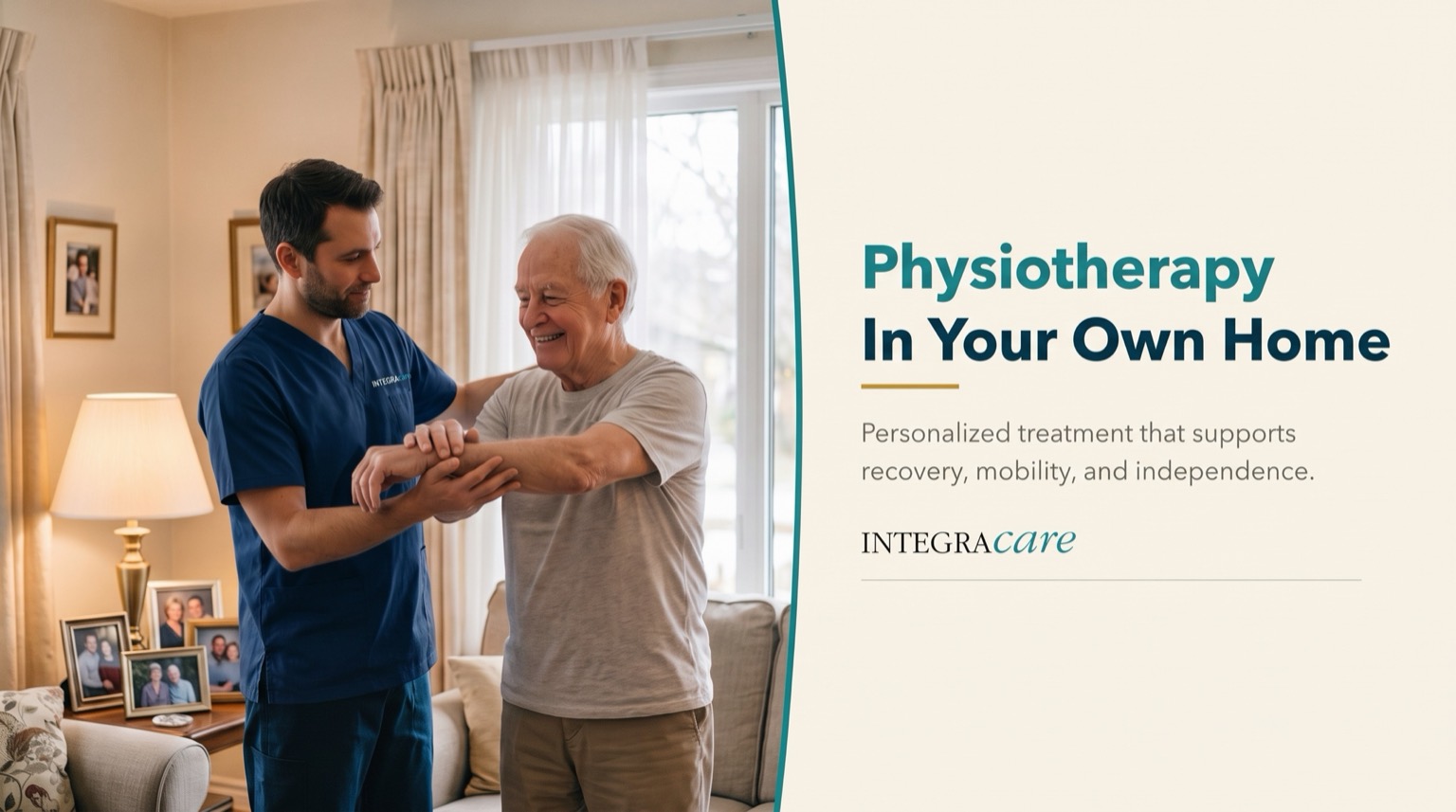
Recovering from surgery, an injury, or a health condition is often easier when you can focus on healing instead of travelling to appointments. Receiving physiotherapy at home allows treatment to happen where you spend your time every day, making exercises and movement strategies more practical and relevant to your routine.
Recovery often involves more than one type of care. Integracare offers a coordinated team of physiotherapists, Registered Nurses, Registered Practical Nurses, Registered Massage Therapists, and Personal Support Workers who work together to support each Client's unique goals. By seeing how you move within your own home, they can recommend simple adjustments that improve safety, mobility, and confidence while supporting greater independence.
Supporting Progress Between Visits
Recovery doesn't stop when a physiotherapy appointment ends. Lasting progress often comes from how well treatment is supported between visits, which is why physiotherapy works best as part of a broader, coordinated care plan. Personal Support Workers help reinforce safe movement techniques during bathing, dressing, mobility, and transfers, while nurses monitor changes in health, coordinate care, and ensure treatment continues to complement prescribed medications and the client's overall care plan.
Depending on each person's needs, physiotherapy may also be combined with exercise-based rehabilitation, manual therapy, soft tissue mobilization, and Registered Massage Therapy to improve comfort, restore movement, and help manage both acute and chronic pain. When additional support is needed, physiotherapists can also recommend assistive devices, such as walkers, braces, or mobility aids, and provide practical guidance to help clients and families use them safely and confidently at home.
Personalized Care in the Place That Matters Most
Whether someone is recovering after surgery, living with a neurological condition, managing arthritis, or receiving palliative care, every treatment plan is tailored to support their unique goals and changing needs. By working closely with the broader healthcare team, Integracare's physiotherapists help ensure every aspect of care works together, allowing clients and families to feel informed, supported, and confident throughout recovery. That collaborative approach helps create a smoother rehabilitation experience while supporting greater comfort, safer movement, and continued independence at home.
How Do You Maintain Progress After Physiotherapy?
Recovery doesn't end when your physiotherapy sessions do. The progress you make is often maintained through the habits, exercises, and movement strategies you continue at home. Your physiotherapist will help you build a realistic plan that fits your lifestyle, so you can keep improving safely while reducing the risk of future setbacks. For many people, these small, consistent steps become the foundation for staying active, mobile, and independent.
Your ongoing plan may include:
- Personalized home exercises to help maintain strength, flexibility, and mobility between appointments.
- Balance and movement training to improve stability, reduce fall risk, and make everyday movements feel more confident.
- Posture and body mechanics to help reduce unnecessary strain during activities like walking, lifting, reaching, or climbing stairs.
- Pain management strategies that help you recognize triggers and manage discomfort without relying solely on medication.
- Lifestyle recommendations that support recovery, including pacing activities, staying active, and protecting healing joints and muscles.
- Education about your condition so you understand your treatment plan, know what to expect, and feel confident making informed decisions about your health.
- Follow-up care or virtual check-ins, when appropriate, to monitor progress, update your exercise program, and answer questions as your needs change.
Recovery is rarely a journey you have to navigate alone. At Integracare, our professional, compassionate team provides coordinated home care services that adapt as our Client's needs change, helping them continue living safely and comfortably at home.
Helping Families Feel More Confident Between Visits
Recovery doesn't stop when a physiotherapy appointment ends. The small choices made throughout the week, how someone moves, manages discomfort, or approaches daily activities can all influence progress over time. Knowing what to expect and having practical guidance along the way can make recovery feel more manageable for both clients and their families.
At Integracare, our physiotherapists take the time to explain what's happening, answer questions, and provide recommendations that fit naturally into each client's daily routine. Along with hands-on treatment, families receive practical guidance that may include:
- Understanding the condition and what may be contributing to pain, stiffness, or changes in mobility.
- Personalized home exercises that help maintain progress safely between visits.
- Safer ways to move during activities such as walking, climbing stairs, getting in and out of bed, or changing positions.
- Strategies for managing discomfort and recognizing activities that may place unnecessary strain on the body.
- Recommendations for daily routines that support recovery while protecting healing muscles and joints.
- Fall and injury prevention tips that encourage safer movement throughout the home.
- Ongoing guidance so clients and families understand how treatment may change as recovery progresses.
We believe physiotherapy works best when clients and families feel supported every step of the way. By providing clear guidance, thoughtful encouragement, and treatment that adapts over time, our physiotherapists help people feel more prepared to continue their recovery with confidence in the comfort of home.
Feel More Confident, Stronger, and Independent
Improved strength, better balance, and greater mobility can make a meaningful difference over time. Whether it's walking more comfortably, feeling steadier on the stairs, or returning to favourite activities, personalized care plans help build lasting confidence while supporting continued independence at home.
Frequently Asked Questions
How often do seniors actually fall in Canada?
Research shows that roughly a third of adults 65 and older fall at least once a year, with that rate climbing even higher for those over 70. Falls are the leading cause of injury-related hospitalizations among Canadian seniors, which is why addressing balance, strength, and mobility early is so important, rather than waiting until after an injury occurs.
Can physiotherapy really help prevent falls, or just treat injuries after they happen?
Physiotherapy is most powerful as prevention, not just recovery. A physiotherapist assesses balance, gait, and strength to identify fall risks before they cause an injury, then builds a plan around targeted exercises and movement corrections. Many seniors who complete this kind of proactive physiotherapy see real improvements in stability and confidence long before a fall ever happens.
What does a physiotherapy assessment for an older adult actually involve?
A senior's physiotherapy assessment typically includes a review of medical history, a look at how they walk and shift their weight, strength and flexibility testing, and a discussion of any recent falls or near-falls. This helps the physiotherapist understand the specific risks at play, whether that's weak leg muscles, joint stiffness, or an unsteady gait, and build a plan around them.
Is physiotherapy safe for seniors with arthritis or osteoporosis?
Yes. Physiotherapy is specifically designed to work within a senior's physical limitations rather than push past them. For arthritis, this often means gentle range-of-motion and strengthening exercises that ease stiffness without aggravating joints. For osteoporosis, physiotherapists select exercises that support bone health and balance while avoiding movements that carry unnecessary fracture risk.
How does physiotherapy support recovery after a joint replacement or surgery?
After surgery, physiotherapy helps rebuild strength, restore range of motion, and retrain safe movement patterns that may have been affected by the procedure or the recovery period. For seniors, this process often includes close attention to balance and gait as well, since regaining confidence in movement is just as important as regaining physical strength.
Why is home-based physiotherapy often better for older adults than clinic visits?
Getting to a clinic can be genuinely difficult for many seniors, whether due to transportation, mobility limitations, or fatigue. Physiotherapy at home removes that barrier and lets the physiotherapist see exactly how a senior moves through their own space, stairs, bathroom, and all, so the plan reflects real daily challenges rather than a generic clinic setting.
How often should a senior see a physiotherapist?
Frequency depends on the individual's condition, goals, and risk level. Someone recovering from surgery or a recent fall may benefit from more frequent visits early on, tapering as strength and confidence improve. Others may only need periodic check-ins to monitor balance and adjust an exercise routine. A physiotherapist will recommend a schedule based on your loved one's specific situation.
What are the warning signs that a senior should start physiotherapy?
Common signs include increased unsteadiness on stairs or uneven surfaces, a recent fall or near-fall, noticeable muscle weakness, difficulty getting up from a chair without using their arms, or a general fear of losing balance. These changes often develop gradually, so it's worth addressing them proactively rather than waiting for a more serious injury to occur.
Can physiotherapy help seniors with chronic conditions like COPD or heart disease?
Yes. Structured, monitored exercise is often a key part of managing chronic conditions like COPD or heart disease in older adults. A physiotherapist can build a program that improves endurance and daily function while carefully tracking how the body responds, adjusting intensity as needed to keep the exercise both safe and effective over time.
How does Integracare's at-home physiotherapy work for seniors?
Integracare's Physiotherapists come directly to a senior's home, Retirement Residence, or Rehabilitation Facility to build a personalized plan around their specific risks and goals. Because our Physiotherapists work alongside Registered Practical Nurses and Personal Support Workers, care stays coordinated and consistent, giving families confidence that a loved one's mobility and safety are being actively looked after.
Free In-Home Assessment
The Care Your Family Deserves Starts Here
Speak with our team about a personalized care plan. Book a free, no-obligation in-home assessment and we will help you find the right support for your loved one.
About the Author: Lee Grunberg

President & CEO, M.B.A.
Lee joined Integracare as President & CEO on August 2, 2016 after an approximately 20 year career in Private Equity and Investment Banking. Lee brings tremendous operational knowledge and governance experience along with an incredible passion and energy to Integracare.