
In the News
As Heard on ZoomerRadio: How Integracare Helps Families Navigate Aging with Dignity
Published
On this page10 sections
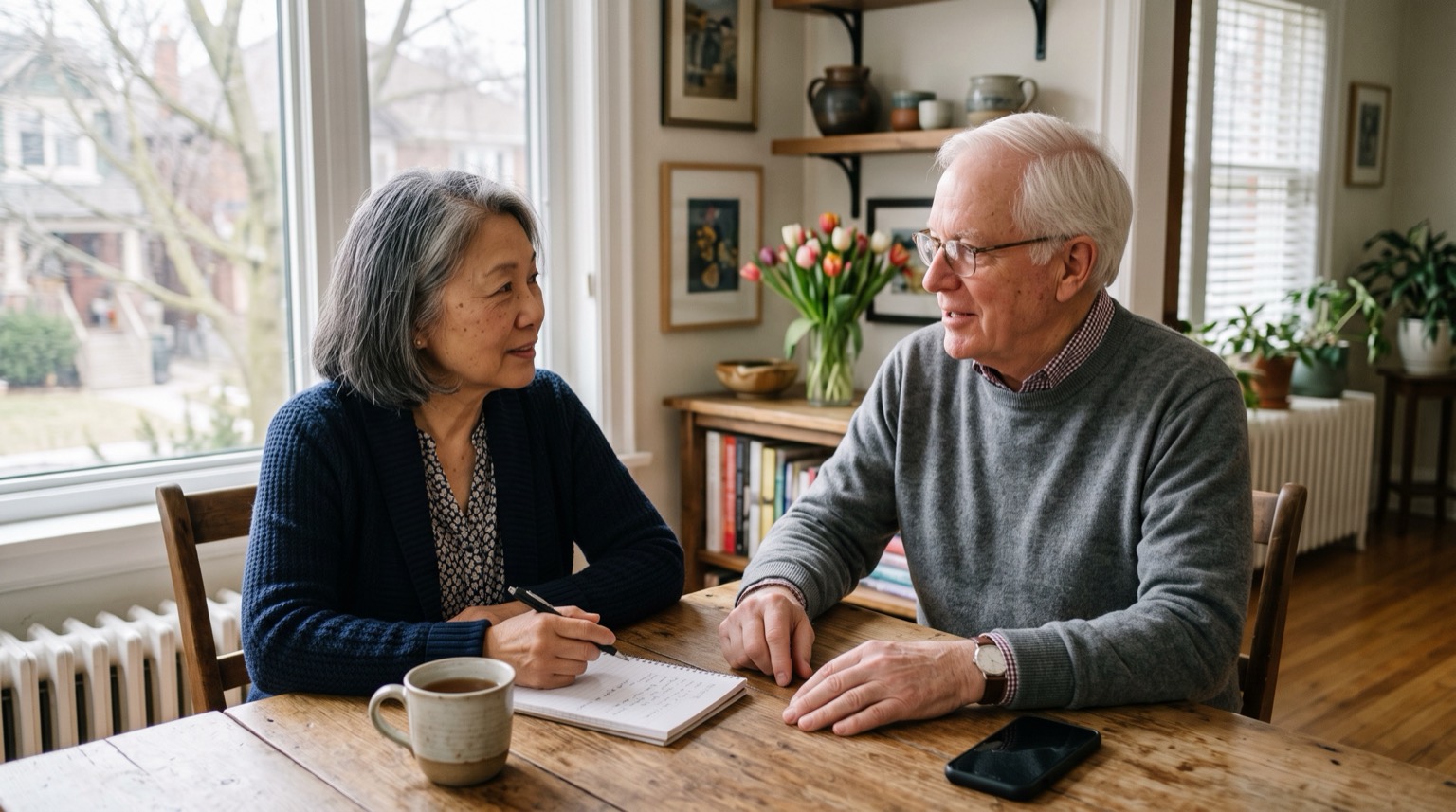
Most seniors want one simple thing as they grow older: to stay in the homes they love. It’s not about resisting change, it’s about preserving independence, dignity, and comfort.
But as Zoomer Radio’s The Experts recently highlighted in a powerful interview with Integracare’s President & CEO Lee Grunberg and Director of Intake Bethel McMaster, RN, the difference between aging well and aging in crisis often comes down to one thing: timing.
“Don’t Wait for a Crisis”: The Message Behind the Mic
During their interview with Liz West, Lee and Bethel pulled back the curtain on the realities many Canadian families face. Unfortunately, too many people wait until a crisis, like a fall or hospitalization, before exploring care options. And by then, the stress, confusion, and time constraints can make informed decision-making nearly impossible.
“You don’t want to have to react in a crisis,” said Lee Grunberg. “You want to be well prepared.” He emphasized that starting the conversation early, whether about aging in place, transitioning to long-term care, or receiving care at home, is the key to preserving quality of life and reducing stress for everyone involved.
Bethel McMaster echoed that sentiment: “Most families during that crisis moment don’t even know where to start. They’re already overwhelmed, already anxious.” Her advice is, “Now is a great time, it’s always a great time. You never want to wait for a crisis to occur.”
What Is Aging in Place?
Aging in place refers to the ability to live safely, independently, and comfortably in one’s own home as they grow older. It’s not a one-size-fits-all solution. For some, it may involve part-time personal support, while others may need round-the-clock nursing care or mobility aids.
What makes aging in place so appealing is the sense of control and familiarity it offers. Home is where memories live. The goal of home care providers like Integracare is to make it possible for seniors to remain in that space safely, while also giving families peace of mind.
The Role of Home Care: More Than Just Assistance
Home care isn’t about taking over. It’s about standing beside.
“I think one of the misconceptions we often see is that by welcoming care partners, we’re losing our independence,” Bethel explained. But that couldn’t be further from the truth. Integracare’s approach is built around building anatomy and supporting independence, a care philosophy that encourages clients to do as much as they can on their own, while care providers step in to support where needed.
Whether it’s helping with mobility, medication management, or daily routines, the goal is always to preserve autonomy, not replace it. “It’s about preventing hospitalizations, reducing caregiver burnout, and improving outcomes,” Bethel said.
Real Stories, Real Impact
During the interview, Lee shared a story about a husband caring for his wife, who was facing both physical and cognitive health challenges. The husband, although committed and loving, was burning out. A call to Integracare changed everything.
“We were there on-site within 24 hours,” said Lee. “We developed a flexible care plan that provided immediate support and gave the husband respite. That’s the kind of proactive approach that makes a real difference.”
These aren’t just services. They’re lifelines.
From Support to Strategy: What Integracare Offers
Families looking for in-home support often don’t know where to begin, or what to ask for. As Lee explained, it’s not just about personal support workers or nurses. “Some of the additional services that are so important are general companionship, as well as health care advocacy.”
Integracare assigns a dedicated Care Manager to each client, someone who coordinates services and also advocates on their behalf within the broader health care system. That means working alongside physicians, pharmacists, and Ontario Health at Home to ensure continuity and clarity in care.
Services offered include:
- 24/7 access to on-call nurses
- Personal care and hygiene support
- Companionship and emotional support
- Medication management
- Mobility and fall-risk assessments
- Hospital discharge planning
- Collaboration with public health services
- Health care navigation and advocacy
Safety Is Not a Trade-Off
One of the most common concerns families have about aging in place is safety, particularly fall risks, medication mismanagement, or nutritional deficiencies.
Bethel described her approach as a nurse like this: “I’m looking for problems. I’m looking at medications, hydration, diet, trip hazards, and making sure the journey from bed to bathroom is safe.” This proactive mindset is what allows Integracare to catch risks before they become emergencies.
Simple adjustments like removing clutter, checking medication routines, or ensuring proper hydration can prevent major incidents. And when professional caregivers are trained to assess both medical and environmental risks, the result is a safer, more stable home environment.
Start Slow, But Start Now
Lee offered some parting advice to families: “Don’t race into anything. Don’t force care on anyone. Start slowly, with an organization that listens and respects your needs.”
That’s part of Integracare’s ethos, respecting the individuality of each client, matching them with the right caregiver, and scaling support based on evolving needs.
Planning ahead means you can explore your options without pressure, tour agencies, interview care providers, and ensure your loved ones feel empowered, not rushed, into their next chapter.
Collaboration with Public Services
Another important point raised in the interview was the relationship between private care and public health services. “It doesn’t have to be one or the other,” said Bethel. “We work collaboratively with Ontario Health at Home, and we can help fill in the gaps when public resources fall short.”
In today’s healthcare landscape, those gaps are becoming more common. Capacity issues, long wait times, and limited public funding often mean families are left waiting or scrambling. By combining public support with supplemental private care, families can create a more complete care strategy that’s both responsive and sustainable.
As Heard on Zoomer Radio AM740 / 96.7 FM
Integracare’s recent appearance on The Experts with Liz West helped amplify a crucial message: Planning ahead isn’t a luxury, it’s a necessity. As heard on Zoomer Radio AM740 / 96.7 FM, the discussion made it clear that when it comes to aging, early action is the best form of prevention.
For those who missed the broadcast, we encourage you to listen to the full interview clip and share it with family members who might benefit from the insight.
The Best Care Decisions Are Made Before the Crisis
Whether your loved one is starting to slow down or simply wants a little more support day-to-day, it’s never too early to start the conversation.
At Integracare, we offer free in-home assessments to help families understand their options and make informed choices, without pressure.
Start the conversation. Don’t wait for a crisis.
Free In-Home Assessment
The Care Your Family Deserves Starts Here
Speak with our team about a personalized care plan. Book a free, no-obligation in-home assessment and we will help you find the right support for your loved one.