
Blog
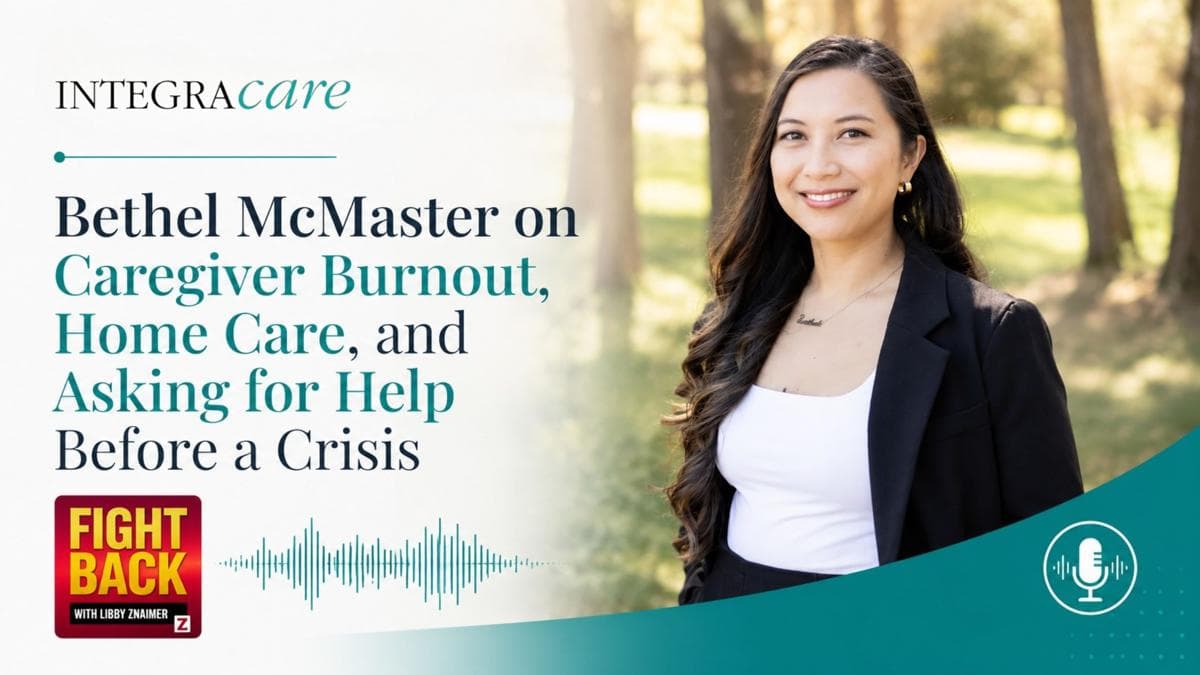
Fight Back with Libby Znaimer: Registered Nurse Bethel McMaster on Caregiver Burnout, Home Care, and Asking for Help Before a Crisis
Published
Written by Lee Grunberg, M.B.A. — President & CEO
Reviewed by Bethel McMaster, BScN, RN — Director of Business Development
On this page11 sections
Key Takeaways
- Caregiver burnout often develops gradually, making it difficult to recognize until you’re emotionally and physically exhausted.
- Planning ahead and asking for help early allows families to make better decisions before a crisis occurs.
- Professional home care can work alongside family caregivers, helping relieve day-to-day responsibilities while improving quality of life.
- No family should have to navigate caregiving alone. The right support can make caring for a loved one more sustainable for everyone.
Balancing work, family, and caregiving is something millions of Canadians quietly do every day. While caring for someone you love can be deeply rewarding, it can also become physically, emotionally, and mentally overwhelming without the right support.
Those experiences were the focus of Integracare’s recent conversation on Fight Back with Libby Znaimer, where Bethel McMaster (BScN RN, Director of Business Development) shared practical advice to help families feel more prepared, supported, and confident in the care they provide. Fight Back with Libby Znaimer is a daily program on Zoomer Radio and covers issues of relevance to Canadians. Fight Back was the perfect platform to emphasize the quiet struggles many face when caring for a loved one.
From the Zoomer Radio Studio to Families Across Ontario
Drawing on her experience as a Registered Nurse and years of supporting families through home care, Bethel shared practical advice to help caregivers feel more informed, more prepared, and less alone.
Throughout the interview, Bethel shared practical advice from her years of helping families navigate home care, hospital discharges, aging parents, and some of life’s most difficult transitions. One message came through clearly: asking for help isn’t a sign of failure, it’s one of the best ways to care for both your loved one and yourself.
When a Health Crisis Changes Everything
For many families, caregiving begins with an unexpected event rather than a carefully planned conversation. A hospital stay, health diagnosis, or sudden change in independence often means loved ones are making important decisions with very little time to prepare.
“Often, a crisis is what forces the conversation about caregiving. That’s not how we’d like families to begin because better decisions are made with a calm mind, not during a crisis.”
— Bethel McMaster, BScN, RN, Director of Business Development
As responsibilities grow, it’s common for family caregivers to put their own needs aside. Without ongoing support, those responsibilities can gradually lead to stress, exhaustion, and caregiver burnout.
The Signs Caregivers Shouldn’t Ignore
Caregiver burnout doesn’t happen overnight, and it doesn’t look the same for everyone. For some people, it shows up as exhaustion. For others, it appears in more subtle ways that are easy to dismiss until they begin affecting your own health and well-being.
As Bethel explained during the interview, many caregivers instinctively tell themselves, “I’ve got this. I can do it.” While that dedication comes from a place of love, trying to carry every responsibility alone isn’t sustainable.
Some of the most common signs of caregiver burnout include:
- Feeling physically or emotionally exhausted most days.
- Becoming more impatient, irritable, or easily frustrated.
- Feeling guilty whenever you take time for yourself.
- Withdrawing from friends, hobbies, or activities you once enjoyed.
- Believing you have to manage everything on your own.
- Feeling resentment toward the situation or family members who aren’t able to help.
- Constantly worrying about what might happen next.
- Struggling to sleep or feeling overwhelmed by everyday responsibilities.
Caregiver burnout isn’t a sign that you’re doing something wrong. More often, it’s a sign that you’ve been trying to do too much for too long without enough support. Recognizing these feelings early gives you the opportunity to ask for help before exhaustion begins affecting both you and the person you care for.
Every Family Has a Story Worth Hearing
One of the most meaningful moments of the interview came from the families who shared their own caregiving experiences.
Throughout the program, listeners called in with heartfelt stories about the emotional, physical, and practical challenges of caring for someone they love. Their experiences were different, but many shared the same feelings of uncertainty, exhaustion, and wondering whether they were doing enough.
Those conversations are a powerful reminder that caregiver burnout is far more common than many people realize, and that no family should feel they have to face it alone. Supporting families through those moments is at the heart of everything we do at Integracare, helping people find the care, guidance, and reassurance they need to move forward with confidence.
Caring for Yourself Is Part of Caring for Someone Else
One of the most powerful moments in Bethel’s conversation on Fight Back with Libby Znaimer was her reminder that family caregivers often put everyone else’s needs ahead of their own. While that instinct comes from a place of love, it isn’t sustainable over the long term.
As Bethel explained:
“Family caregivers need to understand the same lesson we’re taught on an airplane: put your own oxygen mask on first. When you thrive, everyone around you thrives. Self-care matters because if you’re physically and mentally depleted, you aren’t able to be the best version of yourself, and that’s what your loved one needs most.”
— Bethel McMaster, BScN, RN, Director of Business Development
Taking time to rest, accept help, and care for your own well-being is an essential part of being able to continue supporting the person you love with the patience, compassion, and energy they deserve.
You Don’t Have to Figure Everything Out Alone
Stepping into the role of a family caregiver can feel overwhelming, especially when everything seems to happen at once. Between medical appointments, care decisions, changing routines, and trying to keep everyday life moving, it’s easy to wonder if you’re making the right choices.
As Bethel shared during the interview, many of the conversations with families begin the same way:
“I’ve never done this before… I don’t know where to start.”
— Bethel McMaster, BScN, RN, Director of Business Development
Those words are something our team hears every day, and they’re completely understandable. Few people expect to find themselves caring for a loved one, and even fewer know where to turn when that responsibility suddenly becomes part of everyday life.
As Bethel explains:
“The goal… is to build a care plan that allows everyone to contribute in the ways they’re able.”
— Bethel McMaster, BScN, RN, Director of Business Development
Bringing family members, healthcare professionals, and trusted caregivers together creates a circle of support that allows everyone to share the responsibilities of care. Families gain reassurance, loved ones receive personalized support, and no one has to carry the weight of caregiving by themselves.
Sometimes the Best Time to Ask for Help Is Before You Need It
Many families don’t begin exploring home care until an unexpected health event changes everything. Taking time to understand your options before that happens gives everyone the opportunity to have thoughtful conversations, understand what support is available, and make decisions with greater confidence.
As Bethel shared during the interview:
“When you’re ready to accept professional help, partnering with an agency that can customize a care plan makes all the difference. It starts with understanding what Mom or Dad can do on their own, where they need support, their personality, and finding the caregiver who’s the right fit to build that relationship moving forward.”
— Bethel McMaster, BScN, RN, Director of Business Development
Every family is different, and every care plan should be too. Starting the conversation early makes it easier to build personalized support around your loved one’s needs, preferences, and routines, helping everyone feel more prepared for whatever comes next.
Care That Begins With Understanding
The right support begins with understanding what’s happening today while planning for what may change tomorrow. Some families need an extra pair of hands with daily routines, while others benefit from specialized nursing care or support during more complex stages of care. A personalized care plan brings together the services that best support your loved one’s needs, helping them remain safe, comfortable, and independent at home.
As those needs change, the right support can grow alongside them. A Personal Support Worker can help ease the demands of everyday care, while physiotherapy may improve strength, balance, and mobility to make daily activities safer and more comfortable. When pain, muscle tension, or limited mobility affect quality of life, Registered Massage Therapy can provide gentle relief that helps your loved one feel more comfortable while giving families greater confidence that every aspect of care is being thoughtfully supported.
Helping More Families Feel Supported
We are so appreciative of Libby and the Fight Back team for giving us the opportunity to
discuss this important topic. Platforms like Zoomer Radio create a space where families
can gain insight into the support they never knew they needed, and we are very grateful to
have had the opportunity to share just that.
The Best Care Happens When No One Has to Do It Alone
Caring for a loved one is easier when you have the right support beside you. Schedule a complimentary in-home assessment, and we’ll take the time to understand your loved one’s needs, answer your questions, and create a personalized care plan that supports your whole family.
Frequently Asked Questions
What is caregiver burnout?
Caregiver burnout is a state of physical, emotional, and mental exhaustion that can develop when someone spends an extended period caring for a loved one without enough rest, support, or time to meet their own needs. Over time, the ongoing demands of caregiving can affect a person’s health, relationships, work, and overall well-being, making it harder to continue providing care safely and confidently.
What are the first signs of caregiver burnout?
Caregiver burnout often develops gradually. Early warning signs may include ongoing fatigue, irritability, anxiety, feeling overwhelmed, withdrawing from friends or activities, changes in sleep, and feeling guilty whenever you take time for yourself. Some caregivers also begin believing they have to manage everything alone, making it difficult to accept help even when they need it.
When should I ask for help?
The best time to ask for help is before caregiving begins to affect your own health or well-being. Whether your loved one has recently received a diagnosis or you’re noticing changes in their independence, planning ahead allows families to understand available care options, introduce support gradually, and make thoughtful decisions before an unexpected health event creates additional pressure.
Can home care work alongside publicly funded services?
Yes. Many families combine publicly funded home care with privately funded services to create more consistent, personalized support. While publicly funded care can provide valuable assistance, private home care often helps fill scheduling gaps, extend hours of care, improve continuity by seeing familiar caregivers, and provide services that may not always be available through publicly funded programs.
What services can help reduce caregiver burnout?
Professional home care can help relieve many of the day-to-day responsibilities that contribute to caregiver burnout. Depending on your family’s needs, support may include Personal Support Workers for daily care, Registered Nursing for clinical needs, Dementia Care, Palliative Care, Physiotherapy, Registered Massage Therapy, companionship, and health advocacy. The right combination of services allows family caregivers to share responsibilities while ensuring their loved one continues receiving compassionate, personalized care.
What if my loved one doesn’t want help?
It’s common for older adults to feel uncertain about accepting care, especially if they’re worried about losing their independence. Introducing support gradually, involving your loved one in decisions, and carefully matching them with a caregiver who fits their personality can make the transition feel much more comfortable. Many families find that starting with just a few hours of support each week helps build trust and confidence over time.
Can a family caregiver and a professional caregiver work together?
Absolutely. Professional home care is designed to complement the care families already provide, not replace it. Family members often continue offering emotional support, companionship, and involvement in decision-making, while professional caregivers assist with personal care, nursing, mobility, and other daily responsibilities. Sharing those responsibilities helps reduce caregiver stress while ensuring your loved one receives consistent, high-quality care.
How do I know which home care services are right for my loved one?
The right care plan depends on your loved one’s health, daily routines, level of independence, and personal goals. A professional in-home assessment can help identify where additional support would be most beneficial and recommend services that adapt as care needs change. This personalized approach helps ensure your loved one receives the right care at the right time while giving your family greater confidence moving forward.
Free In-Home Assessment
The Care Your Family Deserves Starts Here
Speak with our team about a personalized care plan. Book a free, no-obligation in-home assessment and we will help you find the right support for your loved one.
About the Author: Lee Grunberg

President & CEO, M.B.A.
Lee joined Integracare as President & CEO on August 2, 2016 after an approximately 20 year career in Private Equity and Investment Banking. Lee brings tremendous operational knowledge and governance experience along with an incredible passion and energy to Integracare.