
Blog
Ottawa’s 30th Walk for Dementia, Presented by Integracare
Published
Written by Lee Grunberg, M.B.A. — President & CEO
Reviewed by Kristine McGinn, BScN — Director of Integracare East
On this page9 sections
Key Takeaways
- Ottawa's 30th Walk for Dementia raised over $282,000 to keep regional coaching and family support programs free.
- About 24,000 people in Ottawa and Renfrew County live with dementia today, and the Dementia Society expects that number to reach nearly 60,000 by 2050.
- Quiet memory slips eventually turn into safety risks and behavioural shifts that alter daily household routines.
- Family Caregivers of Seniors living with dementia provide an average of 26 hours of care a week, which is why dependable home care matters.
- Integracare's nurse-led care adapts daily tasks around what a Senior can still do to preserve their independence at home.
Dementia often begins with small changes at home. A parent may take a little longer to gather their keys before heading out the door, repeat a question during breakfast, hesitate over a familiar task, or lose track of a morning routine they have followed for years. At first, these moments can be easy to dismiss. Families tend to become more concerned when memory changes become more frequent, familiar routines become harder to follow, or changes in judgement, communication or behaviour begin affecting everyday life.
As early dementia warning signs or mild cognitive impairment (MCI) become more noticeable, Family routines can begin to change too. An adult child may start checking in more often. A spouse may take over appointments or medications. Everyday conversations may require more time and patience. Families begin asking practical questions about what their loved one can continue doing independently, where they may need support, and how to help them remain engaged in the life they know.
These are questions being asked in homes throughout the region. About 24,000 people are living with dementia in Ottawa and Renfrew County, and around each person is a circle of Family members, friends, and Caregivers learning how to support them as their needs change.
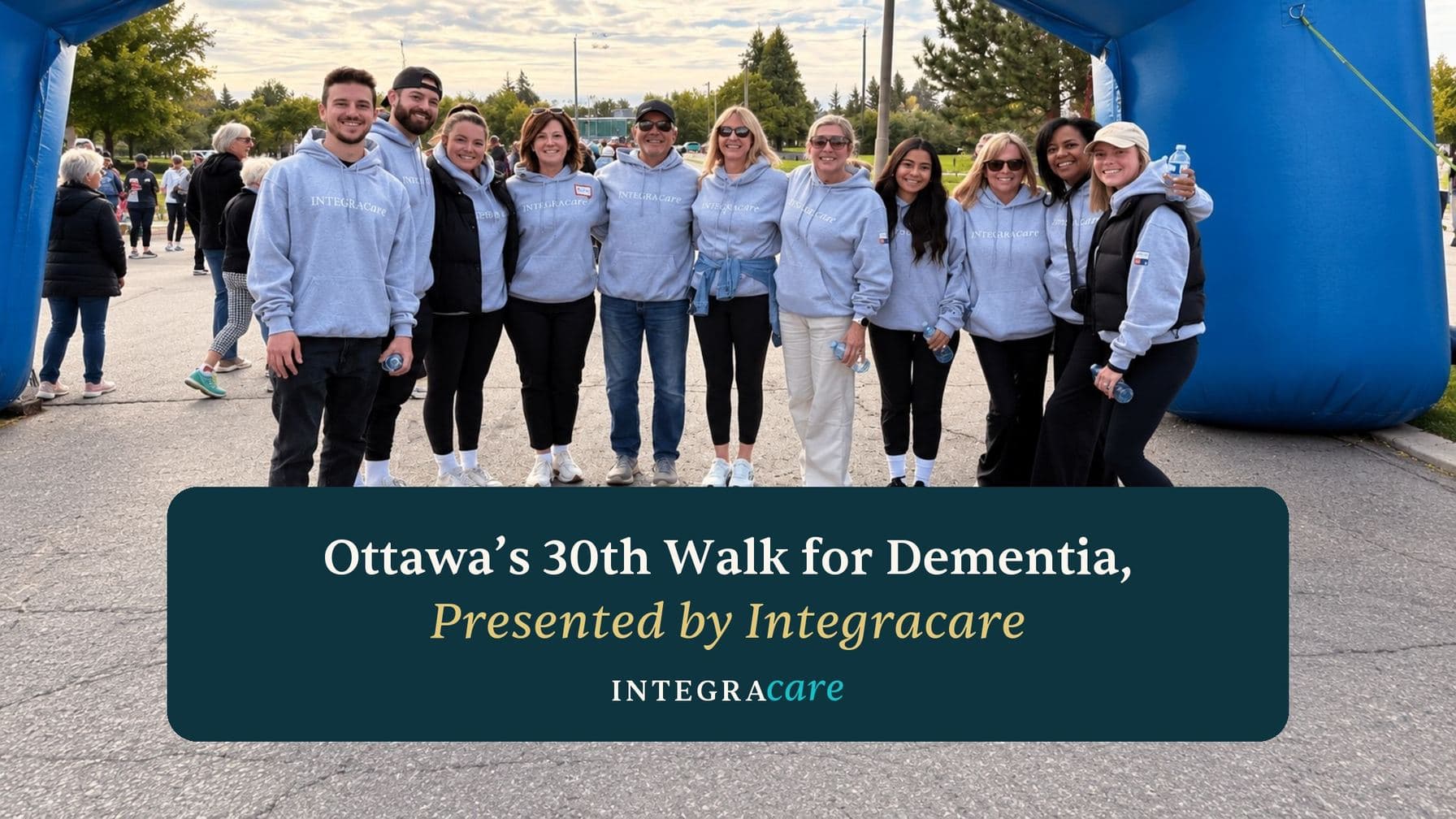
That shared experience is part of what made Ottawa’s 30th Walk for Dementia so significant. On September 20, people living with dementia, Families, Caregivers, volunteers, healthcare professionals, and community organizations came together for a milestone event built around something they all share: a commitment to making sure local Families have access to dementia education, practical support, and a community that understands.
30 Years of Ottawa Walking Together

On September 20, many of the Families, caregivers, and community organizations who understand these changes firsthand came together for the Dementia Society of Ottawa and Renfrew County’s 30th Walk for Dementia.
Some walked for a partner, parent, friend or neighbour living with dementia. Others came in memory of someone they had lost. Alongside them were Caregivers, volunteers, healthcare professionals and local organizations that support people living with dementia throughout the year.
For its 30th anniversary, the Walk also made room to look back at the community that has grown around it. As presenting sponsor, Integracare showcased Memory Lane, an installation tracing the Walk back to its beginnings in the 1990s. The day also included the Miles of Memories lounge, Healthy Habits Hub, a kids’ fun zone, food and refreshments, and a table where Families could learn about the Dementia Society’s programs and services.
How the Walk for Dementia Supports Ottawa and Renfrew County
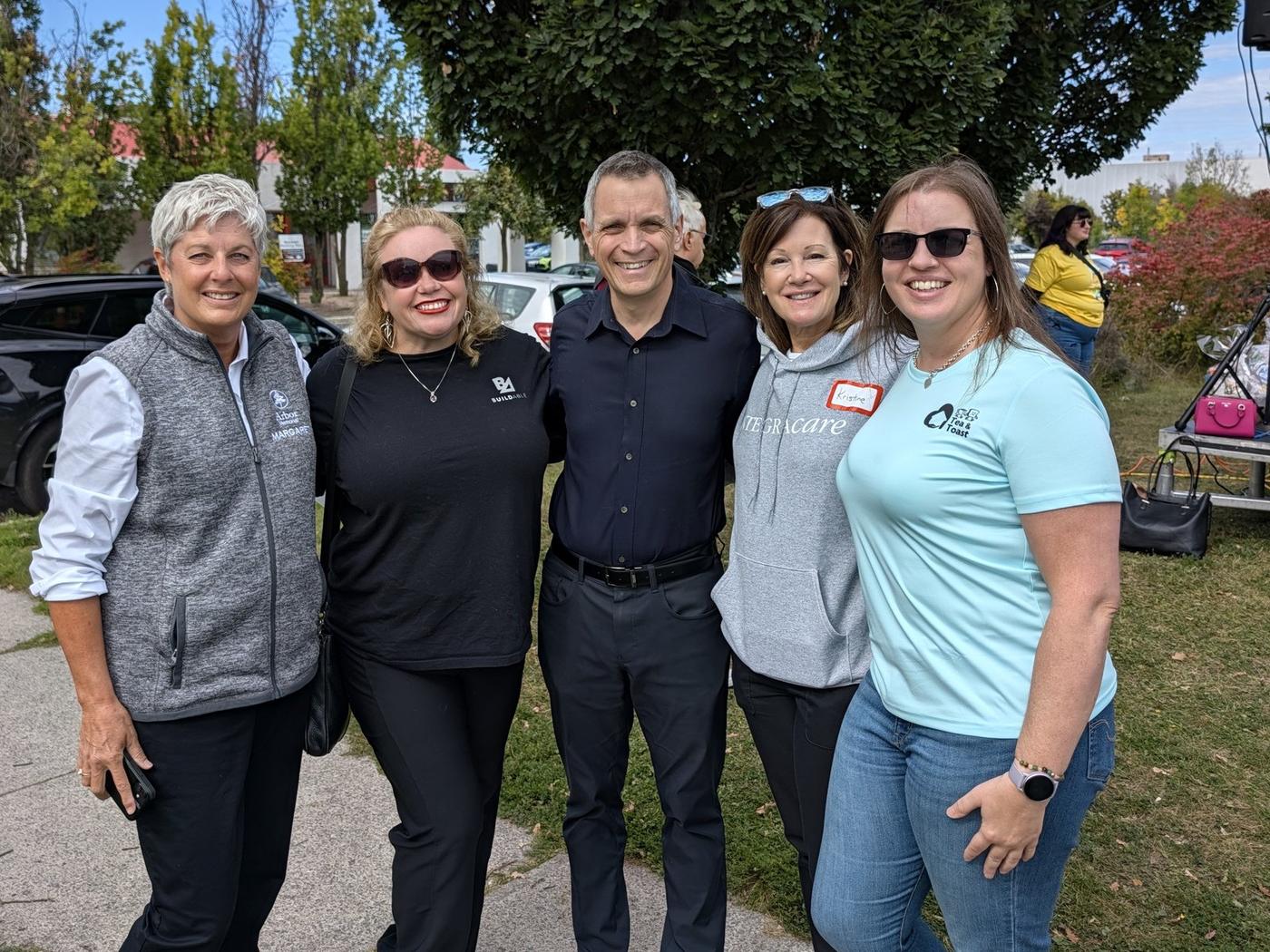
Ottawa Mayor Mark Sutcliffe joined the anniversary and proclaimed September 20, 2026, Walk for Dementia Day. He also added a daisy to the event’s tribute wall, which will now have a permanent home at the Dementia Society Centre.
Thirty years after the first Walk, the reason people continue to gather is still close to home. Dementia affects daily routines, relationships and Family life, and the support Families need continues long after a diagnosis.
This year, the community raised more than $282,000, helping fund dementia care coaching, education and programs that give people living with dementia and their Caregivers across Ottawa and Renfrew County more ways to find support and stay connected.
Turning Awareness into Daily Support at Home
Navigating an afternoon when a parent becomes disoriented in their own neighbourhood or loses track of the time and day can be overwhelming. The Walk for Dementia helped create awareness for dementia and provide resources to help Families throughout the dementia diagnosis and progressive stages.
Education helps Families understand those changes rather than simply react to them. Canada's national dementia strategy recognizes education, dementia-inclusive communities, and stronger support for Family and friend Caregivers as important parts of dementia care.
Recognizing the Moments That Prompt Family Concern
Many family members seek out guidance when these memory slips turn into real safety risks around the house, like forgetting to turn off the stove after lunch, leaving the front door unlocked at night, or struggling to manage daily medications safely. Other times, the changes are behavioural. A parent might fall for a financial phone scam, neglect their personal care, or show an uncharacteristic wave of anxiety or suspicion over a small shift in their afternoon routine. Sometimes, they simply withdraw from conversations and lose interest in the hobbies they used to love.
Small Adjustments That Change the Rhythm of Your Day
Knowing more about how the brain changes can completely alter how a Family responds to these moments. For instance, repeatedly correcting your parent usually just increases frustration without changing what they actually remember.
Instead, learning simple communication techniques can make daily life much calmer. Asking just one question at a time gives a Senior the extra space they need to find their words.
In other moments, using redirection can gently shift a stressful conversation toward a comforting, familiar topic. Building predictable, structured routines can also make parts of the day feel much simpler to follow.
Learning to Understand Rather Than Simply React
Dementia affects the brain through progressive conditions like Alzheimer’s, vascular dementia, or Lewy body dementia. Learning about these stages helps Families understand what is happening rather than simply reacting to it. You can find practical guidance on recognizing these shifts through the dementia education resources compiled by the local society.
The number of people living with dementia across Ottawa and Renfrew County is expected to grow considerably in the years ahead. About 24,000 people are living with dementia in the region today, and the Dementia Society projects that number will reach nearly 60,000 by 2050. As more people are diagnosed, more local Families will be learning how to respond to changes in memory and behaviour, adapt familiar routines, and find support that helps their loved one continue living well.
To help support our neighbours through every stage of this journey, Integracare stepped up as the official presenting sponsor for this year's Walk. As a provider of private home health care, we know that supporting Families requires a reliable community network. The annual event turns shared daily challenges into true community solidarity, ensuring no one has to figure out these transitions in isolation.
Supporting the Person Behind the Diagnosis
Dementia changes memory and thinking, but a diagnosis does not erase someone's interests, preferences, or history.
A person who has always loved music may still recognize a favourite song. Someone who spent years gardening may enjoy watering plants or arranging flowers. Old Family photographs can prompt conversation when recent memories are more difficult to retrieve.
These familiar interests can become useful ways to stay engaged.
Kristine McGinn, BScN, Director of Integracare East, spoke about this during the interview on September 9 on CTV Your Morning Ottawa ahead of the Walk. The team described the value of allowing someone to repeat a story, listening rather than rushing to correct them, and drawing on interests, hobbies and old Family photographs to create opportunities for connection.
Adapting Everyday Tasks to Keep Home Feeling Like Home
The same thinking applies to everyday routines. If a Client can still choose what they want to wear, they should keep making that choice, even if they need a little extra help with the buttons.
Someone who has always loved to cook might still enjoy washing the vegetables, stirring the pot, or setting the table, even when making the full meal independently isn't safe anymore.
Supporting independence with dementia often means looking closely at what your loved one can still do and gently adapting the task around them. That approach keeps the daily routines and interests alive that make home feel like home.
Family Caregivers Need Support Too
As dementia progresses, Family responsibilities often grow gradually.
An adult child may begin by driving a parent to appointments. Later, they may start organizing medications, preparing meals, or checking in every evening. A spouse may slowly take over household tasks their partner managed for decades.
Because these changes happen over time, Families do not always notice how much caregiving they have taken on.
The Canadian Institute for Health Information found that caregivers of Seniors with dementia provide an average of 26 hours of care each week, and points Families toward supports such as respite care, adult day programs and caregiver resource centres.
Respite can be particularly useful when a Family member has become responsible for much of the day-to-day care. Professional support at home can give them time for work, appointments, other Family responsibilities, or simply a regular break from caregiving.
Peer support groups offer something different. They allow Ottawa Caregivers to speak with people who recognize the situations they are encountering because they have encountered them too.
Why Integracare Stepped Forward as Presenting Sponsor
Integracare’s connection to the Walk begins with the Families its Ottawa team supports at home. The team provides Personal Support and Nursing Care for Clients living with dementia, where Caregivers see how changes in memory, communication and behaviour can affect familiar routines from one day to the next.
Integracare’s approach to dementia care is shaped around the individual Client. Caregivers get to know their routines, preferences, interests and abilities, and adjust their support as needs change. They may give a Client extra time to get dressed in the morning, redirect a conversation when confusion causes frustration, or use familiar music, photographs and hobbies to encourage conversation and engagement.
Integracare’s Ottawa Caregivers and nurses receive advanced dementia training, with practical strategies for changes in memory, communication and behaviour. They stay connected with Families and work alongside the healthcare professionals and local resources involved in a Client’s care.
This work also shaped Integracare’s decision to become presenting sponsor of the Walk. By supporting the event, Integracare helped contribute to dementia education and local resources for people living with dementia, Families and Caregivers across Ottawa and Renfrew County.
Helping Your Loved One Continue Living Well at Home
Dementia care happens around breakfast tables and during morning routines. It happens when an adult daughter answers another phone call from her dad, when a spouse learns a better way to respond to a repeated question, and when a Caregiver finds an activity that brings a Client back to an old interest.
Integracare's Ottawa team provides personalized dementia care designed around each Client's routines, abilities, health needs, and preferences, with support ranging from Personal Support Workers and companionship to nursing and 24-hour home care.
If changes at home are leading your Family to consider additional support, you can speak with the Integracare Ottawa team about what care could look like for your loved one.
Request a free in-home assessment to start the conversation.
FAQs
How do we choose between in-home dementia care and a memory care facility?
Both paths provide important support. A specialized facility offers structured group activities and dedicated spaces. On the other hand, staying at home lets a Senior stick to their familiar daily habits with one-on-one attention from a Caregiver. The right choice depends on your parent's mobility, their daily preferences, and how much family support is available around them. Since care needs naturally change over time, looking into both options early just gives your Family more time to talk through things together.
Where can our Family turn first for personalized guidance after a diagnosis?
You can reach out directly to Integracare for a free in-home assessment. Our clinical teams sit down with you to look closely at your parent's daily routine, mobility, and safety needs. While organizations like the Dementia Society Centre provide excellent public education, Integracare delivers the practical, one-on-one home health care required to manage those changes. We build customized care plans that help Seniors age well at home while ensuring the entire family circle feels supported.
What exactly does nurse-led dementia care mean for my parent?
General home care services typically focus on basic household chores and companionship. In contrast, Integracare provides nurse-led care, which means an experienced Nursing Care Manager supervises your loved one's entire care plan. Our fully certified or registered caregivers, including Registered Nurses (RNs), Registered Practical Nurses (RPNs), and Personal Support Workers (PSWs), have advanced frontline caregiver training. They provide professional health monitoring, care coordination, and specialized dementia-focused strategies directly in the familiarity of a senior’s own home.
How do your Caregivers handle complex behavioural support and mood changes?
When a parent experiences sudden agitation, anxiety, or confusion, our team uses specific, non-clinical strategies for dementia care. Every Caregiver at Integracare learns advanced communication techniques and redirection methods to gently ease restlessness without causing frustration. We focus on building structured routines around morning habits, meals, and bedtime. This predictability reduces daily stress for the Senior and provides consistent relief for family caregivers.
Can we get specialized care at home if my parent needs more advanced medical attention?
Yes. Integracare's Ottawa team provides private nursing care at home from Registered Nurses and Registered Practical Nurses, so many Families can manage more complex health needs without a move to a long-term care facility. We also provide in-home palliative care to support comfort at the end of life in familiar surroundings.
How does Integracare support a Senior's personal interests and independence?
We believe that specialized home care should always support what a Senior can still do, rather than taking over completely. Our personalized caregiver matching ensures your parent is paired with someone who understands their history, preferences, and hobbies. Whether it is listening to a favourite song, looking through old Family photographs, or helping wash vegetables for dinner, our Caregivers centre their day around joyful living. This attentive care helps your parent maintain their dignity and independence at home.
Free In-Home Assessment
The Care Your Family Deserves Starts Here
Speak with our team about a personalized care plan. Book a free, no-obligation in-home assessment and we will help you find the right support for your loved one.
About the Author: Lee Grunberg

President & CEO, M.B.A.
Lee joined Integracare as President & CEO on August 2, 2016 after an approximately 20 year career in Private Equity and Investment Banking. Lee brings tremendous operational knowledge and governance experience along with an incredible passion and energy to Integracare.