
Blog
Supporting Seniors Through Seasonal Affective Disorder With Home Health Care in Canada
Published
Written by Lee Grunberg, M.B.A. — President & CEO
Reviewed by Bethel McMaster, BScN, RN — Director of Business Development

On this page12 sections
As the leaves fall and daylight wanes, many older adults feel more than just a chill in the air. For some, these seasonal changes bring about something much deeper: Seasonal Affective Disorder (SAD) . In Canada, especially in provinces with long, dark winters, SAD can weigh heavily on seniors’ mental, emotional, and physical well-being. But it does not have to define their autumns or winters. With the right knowledge, environment, and care, seniors can continue to thrive at home.
At Integracare, our focus is on Specialized Senior Support through caregivers trained to recognize and respond to seasonal mood changes, and on Comprehensive Home Care that includes mental wellness, memory care, and strong family partnerships.
This blog explores how SAD affects seniors in Canada, how families and caregivers can recognize it, and what home health care strategies can make a difference.
What is Seasonal Affective Disorder (SAD)? Symptoms and Signs
SAD, sometimes known as “winter depression,” is more than just feeling blue when the sun sets early. It is a recurring pattern of depressive symptoms that generally appear in the fall and winter and improve in spring or summer.
Some common signs and symptoms to watch for in seniors include:
- Episodes of persistent sadness and a loss of interest in activities, along with depressed mood or reduced interest that lasts for most of the day, nearly every day, as described in the Health State Descriptions for Canadians: Mental Illnesses report .
- Loss of interest in activities they used to enjoy.
- Fatigue, lethargy, or feeling that everything takes more effort.
- Changes in sleep patterns, often sleeping more (hypersomnia) or struggling to wake.
- Increased cravings for carbohydrates, leading to weight gain.
- Difficulty concentrating and slowed thinking.
- Withdrawal from social contacts and community involvement.
- Feelings of guilt, worthlessness, or a lack of hope.
Because many symptoms overlap with other conditions, such as depression, medication side effects, or dementia, it is critical to monitor whether the symptoms follow a seasonal pattern. If these changes occur every year, worsen in the darker months, and ease when spring returns, SAD may be the cause.
Causes and Risk Factors
Why do some seniors struggle with SAD more than others? Several factors increase the risk and directly influence senior mental health , such as:
- Reduced sunlight and shorter daylight hours: According to the Canadian Psychological Association , experts debate the exact cause of SAD. Many link it to reduced sunlight, which disrupts the body’s circadian rhythm and alters serotonin and melatonin levels that regulate mood and sleep. Others suggest it stems more from being indoors and less active during winter.
- Living in northern latitudes: The farther north a person lives, the less daylight they receive in winter. Canada’s long winters make this a widespread challenge.
- Age-related changes: Seniors may have greater sensitivity to seasonal changes due to biological changes and chronic conditions.
- Existing mental health conditions: A history of depression or anxiety increases risk.
- Medical comorbidities: Chronic illness, ongoing pain, or medication side effects can compound symptoms.
- Cognitive impairments: Seniors with dementia often have disrupted sleep patterns and less capacity to express how they feel.
- Social isolation or limited mobility: Seniors with fewer opportunities for daylight exposure or limited social contact are especially vulnerable.
- Low vitamin D levels: While evidence is mixed, lower vitamin D levels in winter are common and may play a role.
Complications and Related Conditions
If left unrecognized or untreated, SAD in seniors can have cascading effects.
- Worsening depression or the development of major depressive disorder.
- Increased anxiety, disrupted sleep, and worsening physical health.
- Faster cognitive decline for seniors with dementia, making dementia care services even more essential to provide tailored support and reduce added confusion or distress.
- Difficulty managing daily tasks such as cooking, eating, bathing, or walking.
- A higher risk of falls caused by fatigue, poor sleep, and loss of focus.
- Growing isolation, loneliness, and withdrawal from family and community.
- Higher caregiver stress and greater risk of burnout, which is why many families turn to private home care in Toronto to share responsibilities and ensure their loved ones receive consistent, professional support.
Diagnosis and When to Seek Help
Knowing when to seek professional help is essential.
- If symptoms last more than two weeks during fall or winter and repeat each year.
- If the senior’s ability to eat, sleep, or care for themselves is seriously affected.
- If severe hopelessness or suicidal thoughts appear.
- If symptoms worsen despite healthy routines and support.
- If there are sudden behavioural changes in seniors with dementia.
Doctors use screening tools, medical history, and evaluations of sleep, light exposure, and nutrition to help make a diagnosis. The Canadian Consensus Guidelines for the Treatment of SAD offer clear standards for clinical assessment.

Treatment Options in More Depth
Light therapy, counselling, medication, and lifestyle changes remain the cornerstone treatments for SAD, but seniors and their caregivers often ask what this looks like in everyday practice.
Light Therapy at Home
Families can set up light therapy in the kitchen or living room so it becomes part of breakfast or morning tea. Positioning the lamp slightly above eye level works best, but seniors should not stare directly at the light. Caregivers may also remind clients to sit consistently each morning, since consistency is where the real benefit appears. In Canada, physicians sometimes recommend light therapy for people living at northern latitudes where natural winter sunlight is scarce.
Counselling and Social Connection
Access to geriatric mental health professionals is growing through tele-health. For seniors who cannot easily travel, video calls provide counselling right at home. Even structured conversation with trained caregivers has therapeutic effects, reducing isolation and giving seniors a chance to express themselves.
Medications with Care
Doctors may prescribe SSRIs or other antidepressants. For older adults who already take multiple prescriptions, pharmacists and nurses play a crucial role in avoiding dangerous interactions. Regular check-ins from nursing care at home providers ensure side effects are noticed early.
Lifestyle Adaptations
Winter walks may be difficult, but even small bursts of movement inside the home release endorphins that elevate mood. Simple options include walking hallways, stretching with caregiver support, or joining online chair yoga classes. Nutritious meals are another protective factor. For example, omega-3 fatty acids found in fish have been linked to improved mental health, and seniors can benefit from meal planning that includes these foods regularly.
Vitamin D
Health Canada recommends that adults over 51 take a daily vitamin D supplement of 400 IU, noting that many factors limit natural production, including reduced outdoor time and age, since the body makes less vitamin D as people get older.
By blending these approaches, treatment becomes more than symptom management. It becomes a daily rhythm that promotes physical, emotional, and mental wellness.
Prevention and Coping Strategies with Home Health Care
Prevention plays a major role in lessening SAD’s impact. With the support of home health care, families can build seasonal routines that protect well-being.
Optimize the Home for Light
Brighten living spaces with natural light during the day, add daylight bulbs, and arrange seating near windows. For those with dementia, caregivers avoid harsh contrasts or glare that may confuse or agitate.
Create Daily Routines
Consistency is essential. Seniors benefit from predictable schedules that include wake-up times, meals, hydration, and light exercise. Building these routines into a broader plan for seasonal home care helps seniors adjust smoothly to the challenges of shorter days and colder weather.
Build Social Connections
Companionship care for seniors helps maintain a sense of belonging. Whether through in-person visits, phone calls, or video chats, social engagement improves mood and reduces isolation.
Use Dementia Care Expertise
For seniors with memory issues, caregivers rely on cues, reminders, and familiar objects to reduce anxiety. Activities like listening to music or enjoying tactile items also provide comfort.
Encourage Nutrition, Exercise, and Sleep
Balanced meals, gentle movement, and good sleep hygiene create the foundation for coping with SAD. Caregivers often guide these routines, ensuring seniors are supported throughout the day.
How Integracare’s Approach Supports Seniors
Integracare caregivers are trained to recognize subtle changes in behaviour, sleep, and mood. They adapt care plans to address seasonal needs and communicate closely with families.
- Specialized Senior Support: Caregivers know how to spot early symptoms of SAD and respond effectively.
- Comprehensive Home Care: Our services focus on physical and emotional well-being together, including companionship care for seniors to reduce isolation and strengthen daily engagement.
- Dementia and Memory Care Expertise: Care strategies are tailored for those with cognitive challenges.
- Family Partnerships: Families are part of the process, ensuring routines and environments support seniors.
- Trusted Canadian Care: With over 30 years of service, Integracare understands what seniors in Canada need to thrive in every season.
Caregiver Support: Protecting Families Too
Supporting a senior with SAD requires energy, patience, and emotional strength. Without proper support, family caregivers may struggle with exhaustion or depression themselves. Here are strategies that make the journey healthier for everyone:
- Share the Load: Rotate responsibilities among family members. Even a few hours of respite each week can make a difference. Professional caregivers can fill in gaps, giving families time to rest.
- Build Education into Care: Many caregivers feel more confident once they understand SAD and what to expect. Training sessions, printed guides, or discussions with health professionals provide reassurance and reduce fear.
- Connect with Peer Groups: Support groups for family caregivers, whether online or in person, help normalize the challenges of supporting a loved one with mental health needs.
- Focus on Self-Care: Caregivers should maintain healthy routines for themselves, such as getting regular sleep, staying physically active, and seeking their own social connections.
Most caregiver support in Toronto and nearby cities often includes access to respite services, volunteer networks, or professional home care teams that understand both senior and family needs. Recognizing and addressing caregiver well-being ensures long-term sustainability of care.
A Seasonal Home Care Plan in Practice
Here is a sample daily plan that caregivers can potentially use to support seniors living with SAD, as long as it’s approved by a healthcare professional.
- Morning: Use light therapy for 20 to 30 minutes . Open curtains and sit near windows. Begin the day with a warm greeting, balanced breakfast, and light stretching.
- Midday: Incorporate companionship, such as a shared lunch or a call with family. Encourage a safe walk outdoors if weather permits, or use an indoor exercise program. Keep the environment well lit.
- Afternoon: Engage in stimulating activities such as puzzles, music, or conversation. Offer healthy snacks to maintain energy. Monitor for signs of fatigue.
- Evening: Transition into calming activities such as reading, soft music, or watching a favourite program. Lower lights to prepare for sleep and provide comfort through familiar routines.
Expanding to a Weekly Seasonal Routine
Families often find it helpful to see what an entire week of seasonal home care might look like.
- Monday: Morning light therapy, gentle stretching, afternoon music, evening reading.
- Tuesday: Grocery outing with caregiver, shared lunch, afternoon puzzle, evening calming tea.
- Wednesday: Outdoor walk if possible, video call with grandchildren, nutritious meals, stretching before bed.
- Thursday: Cooking activity with caregiver, limited nap, evening film together.
- Friday: Morning exercise, tele-health check-in, afternoon craft project, journaling before bed.
- Saturday: Family visit or outing, group meal, indoor walk, calming evening music.
- Sunday: Morning light therapy, spiritual practice, weekly meal planning, early bedtime.
This structure keeps seniors engaged and prevents monotony, which often worsens feelings of sadness or isolation.
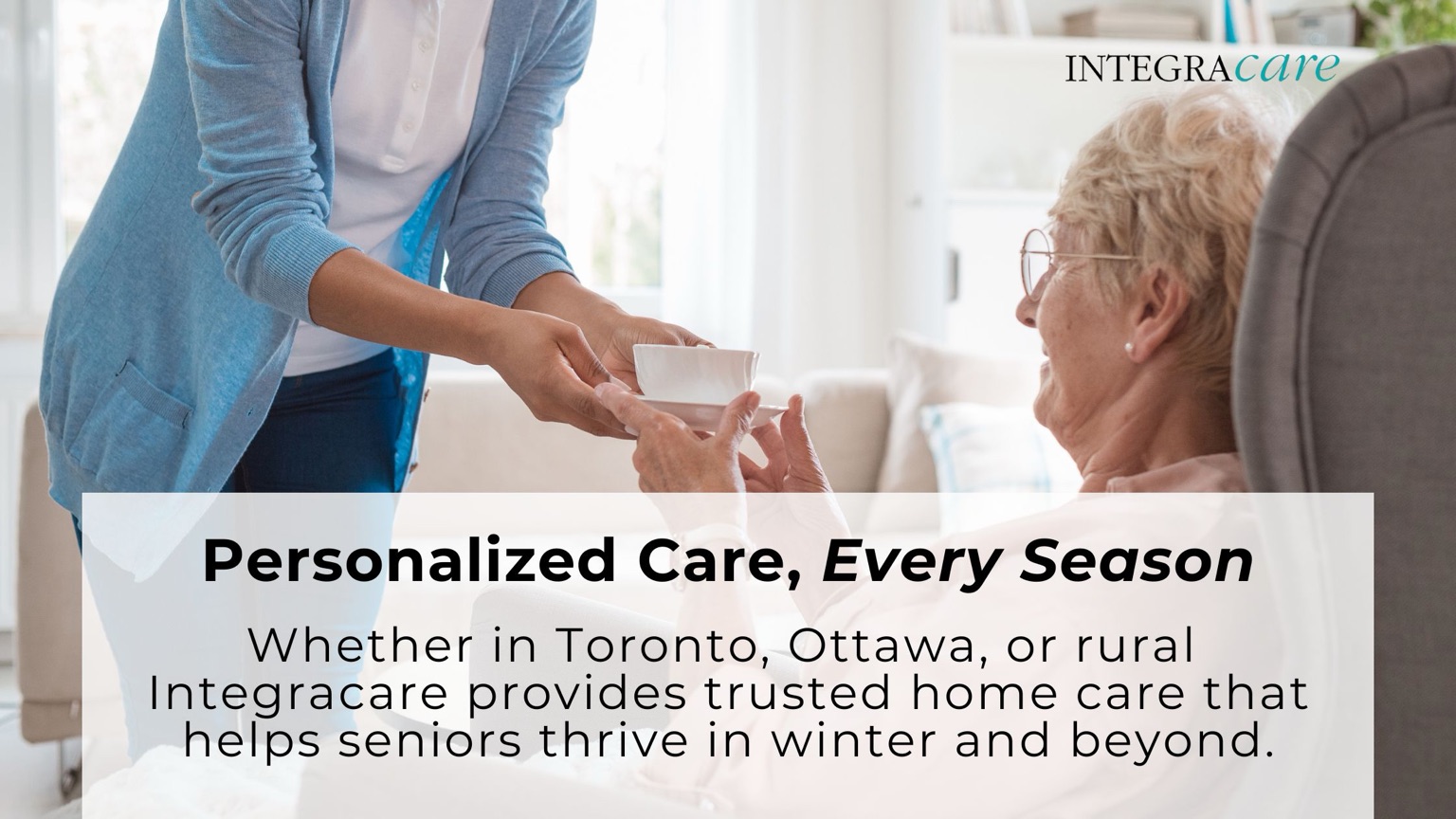
Toronto, Ottawa, and Regional Differences
SAD may not affect all seniors in Canada equally. While research specific to SAD by region is limited, studies of depressive symptoms among older adults in Canada show small but measurable differences by place of residence. One cross‐sectional analysis found that seniors in rural, peri‐urban, and mixed areas report depressive symptoms somewhat differently than those in large urban centres. Access to care, daylight exposure, social support, and environmental factors are likely contributing factors.
- Toronto: Winters are relatively moderate but grey skies and reduced daylight hours may still take a toll. Some Toronto home health care providers emphasize safe outings, such as walks in parks or well-lit malls, and support access to community programs.
- Ottawa: Colder temperatures and heavier snowfall may limit outdoor exposure. Integracare home care services in Ottawa focus on indoor light optimization, seasonal home care routines, and safety when mobility is restricted.
- Rural Communities: Seniors may live far from health services and face greater risk of social isolation. Families may lean on tele-health and guidance from private home care providers to support loved ones remotely.
- Cultural Considerations: Canada’s diversity means seniors bring different traditions to winter months. Indigenous elders may rely on storytelling or spiritual practices. Seniors who immigrated from sunnier countries may find Canadian winters especially difficult. Sensitive home care acknowledges these cultural layers.
Hope, Support, and Resilience
Seasonal Affective Disorder among seniors is serious, but it does not have to take away the joy of winter months. With awareness, prevention, and coordinated care, seniors can maintain vitality and connection throughout the year.
Integracare provides trusted Canadian care that focuses on physical safety, emotional support, and mental engagement. Whether families need senior mental health strategies, dementia care services, or caregiver support in Toronto and other cities, help is within reach.
For those exploring options such as private home care in Toronto, nursing care, or seasonal home care adjustments in Ottawa and beyond, we invite you to contact us today to book an appointment. Together, we can ensure that the darker days of winter do not dim the light in a senior’s life.
Free In-Home Assessment
The Care Your Family Deserves Starts Here
Speak with our team about a personalized care plan. Book a free, no-obligation in-home assessment and we will help you find the right support for your loved one.
About the Author: Lee Grunberg

President & CEO, M.B.A.
Lee joined Integracare as President & CEO on August 2, 2016 after an approximately 20 year career in Private Equity and Investment Banking. Lee brings tremendous operational knowledge and governance experience along with an incredible passion and energy to Integracare.