
Blog
Tips For Seniors To Achieve Better Quality Sleep
Published
Updated
Written by Lee Grunberg, M.B.A. — President & CEO
Reviewed by Bethel McMaster, BScN, RN — Director of Business Development

On this page9 sections
Key Takeaways
- Older adults do not need less sleep; they often need the same 7 to 9 hours and benefit most from improving sleep quality, not just sleep length.
- Consistent daily habits, like waking at the same time and getting daylight exposure, help support a healthier sleep-wake cycle.
- Relaxation techniques, reduced stress, and calming mental habits can make it easier to fall asleep and return to sleep after waking.
- If sleep problems continue, a medication review, sleep diary, or professional support can help identify the cause and guide safer solutions.
As we age, it becomes more difficult to achieve good quality sleep. Sleep patterns change over the course of our lives, but it is a myth that we require less sleep as we get older. Many seniors encounter trouble falling asleep, staying asleep, and achieving enough REM sleep, plus they report not feeling well-rested during the day. Insomnia, snoring, restless leg syndrome, and sleep apnea are common issues. Sleep disturbances could be due to physical and mental conditions and/or medications, and you may need professional assistance to get the right amount of sleep.
Integracare provides safe, comprehensive, quality home care services in Toronto and the surrounding areas, wherever your family member calls home. Our team of Registered and/or Certified Healthcare Providers work collaboratively with Clients, their Families, and Community Services in the provision of personal and private care. If your loved one is having sleeping problems, our Caregivers are here to help 24 hours a day.
Sleep Tips for Seniors
There are several habits to get into that can help with a better night’s sleep.
- Set an alarm to wake up at the same hour each day. A set routine for meal times will also help with energy fluctuations and regularity. Go to bed around the same time each night.
- Regular exercise should occur in the afternoon. Expending too much energy in the morning could lead to a tempting mid- or late-afternoon nap, which can lead to sleeping problems.
- Avoid consuming stimulants like caffeine too late in the day. Alcohol should also be avoided in the late evening or at night.
- Daylight is important for keeping regular sleeping and waking cycles. Spend time in the sun and outdoors, if possible. Time spent near large windows helps if the weather is not conducive to outside time or if mobility is an issue.
- A comfortable mattress is important; Integracare’s Caregivers can make recommendations and help with arranging the use of assistive devices, including hospital beds.
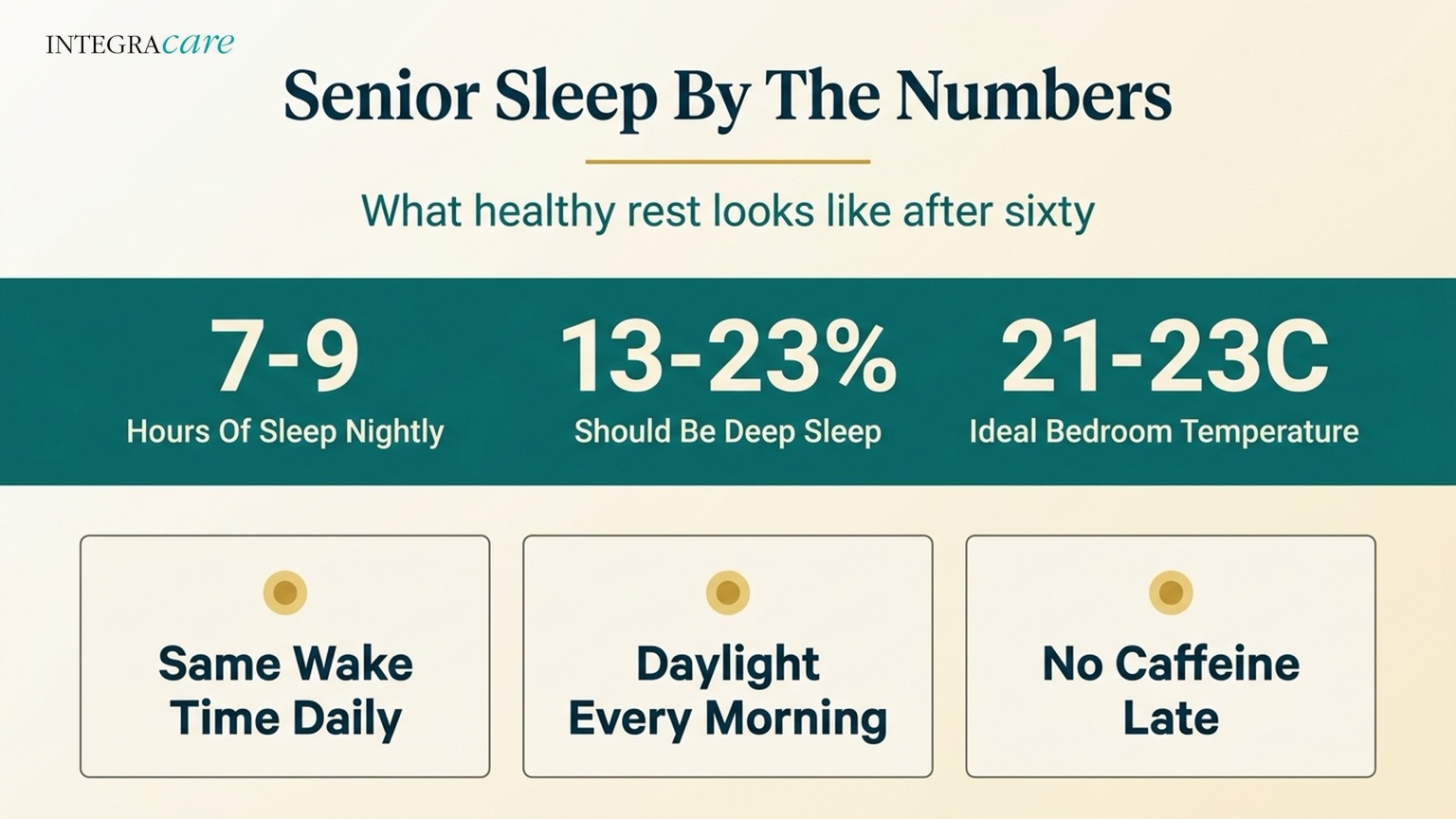
- Keeping a comfortable sleeping environment is key to getting a great night’s sleep, and controlling the temperature in your bedroom can go a long way. The best sleeping temperature for seniors is cooler, typically in the range of 70-74 degrees Fahrenheit or 21-23 degrees Celsius.
- Certain conditions and medications can disrupt sleep. The dosage and the timing of taking pills may need to be adjusted. Consult our Registered Nurses for advice related to making these changes.
- Cognitive-behavioural therapy has been found to help with insomnia because certain negative thought patterns can prevent falling asleep.
If chronic pain or recovery from surgery is an issue, you can get physiotherapy treatments in your home as well as appointments with a Registered Massage Therapist.
Age-Related Sleep Patterns and Requirements
Changes in sleep are a completely normal part of growing older. Many seniors find themselves getting tired much earlier in the evening and waking up with the sun. When these shifting patterns lead to poor sleep, it can leave people feeling drained, forgetful, or unusually anxious the next day. Because these symptoms directly impact long-term senior wellness, they are closely monitored under standard provincial health tracking metrics for aging populations. Understanding changes in cycles helps families protect senior health and ensure older adults stay fully energized during the day.
How Much Sleep Do Seniors Need?
As a general rule, Seniors need about the same amount of sleep as other adults. The difference is that they tend to get more tired earlier in the evening and wake up earlier in the morning. It’s not just a stereotype, either. As people get older, their brains tend to tell them that they’re tired earlier on.
So, how many hours of sleep do seniors need? Like other adults, anywhere from 7 to 9 hours should be sufficient sleep. Although some people can wake up feeling refreshed after just 6 hours, that is not enough sleep for everyone.
How Much Deep Sleep Is Normal for Seniors?
Deep sleep and sleep are not necessarily the same thing. Deep sleep is required for waking up feeling refreshed in the morning. Waking up from a deep sleep is particularly difficult, and it can leave you feeling groggy. Both your body and brain waves slow down during deep sleep. This includes stages 3 and 4 of non-REM sleep and occurs just before REM sleep. Sometimes it’s referred to as “slow wave sleep.”
For the average person, around 13 to 23 percent of your total sleep is deep sleep. Seniors require 7 to 9 hours of sleep a night; about anywhere from 60 to 124 minutes of deep sleep is necessary.
Getting enough deep sleep can help prevent conditions like Alzheimer’s Disease, heart disease, strokes, and diabetes.
Why Do Seniors Sleep So Much?
Seniors do not necessarily sleep more than other adults, but in some cases, they become lighter sleepers and need to spend more time in bed in order to get the same amount of sleep they did when they were younger. Sleep tips for seniors that can help with this include many of the tips we described above, as well as limiting screen time before bed, keeping a consistent bedtime routine, and developing rituals that can help you relax before bed.
Why Do Seniors Have Trouble Sleeping?
Older adults may experience trouble sleeping for several reasons, including lifestyle and medical issues. Some are easy to address, such as reducing your caffeine consumption or practicing better sleep hygiene in the evening. However, Seniors may also face more medical issues that can disrupt their sleep.
What Is the Best Sleep Aid for Seniors?
If you have trouble sleeping, sleep aids can be a lifesaver. Most medical experts agree that making lifestyle changes to improve your sleep is preferable to relying too much on sleep aids, but there are sleep aids that you can use to help with conditions like chronic insomnia or nights when getting to sleep is harder than others.
Some common sleep aids include medications such as Diphenhydramine (common brand names include Benadryl) and Doxylamine (Unisom). You can also use supplements such as melatonin or valerian.
Is It Okay to Use a Mild Sleeping Pill for Seniors?
Milder sleeping pills can have fewer and milder side effects. Supplements like valerian and melatonin can be gentler alternatives to Diphenhydramine, which can lead to daytime drowsiness, urinary retention, constipation, and dry mouth, all of which can be very uncomfortable.
How Stress and Mental Health Affect Sleep
Stress, anxiety, and depression can significantly disrupt sleep in older adults, making it harder to fall asleep, stay asleep, or return to sleep after nighttime awakenings. Chronic insomnia is often linked to ongoing worries, negative thoughts, and emotional tension that keep the mind alert when the body is ready for rest. These mental health challenges can reduce deep sleep and REM sleep, which are essential for memory and brain health. Over time, poor sleep may also contribute to cognitive decline and increased sleep disruptions.
Why Mental Health Matters for Sleep
Emotional well-being and sleep are closely connected. When stress or anxiety is high, the body stays in a heightened state that makes it difficult to relax and transition into restful sleep. For seniors, this can be especially challenging because age-related changes already affect sleep patterns and the internal body clock. Supporting mental health through calming routines, professional care, and healthy coping strategies can help restore balance and improve sleep quality. Certain medications may also cause disruptions to sleep patterns, which could affect moods throughout the day due to lack of sleep.
Common Mental Health Factors That Disrupt Sleep
- Anxiety and constant worrying can lead to racing thoughts at bedtime.
- Depression may cause early waking, low energy, or irregular sleep patterns.
- Chronic insomnia often develops when stress and negative thoughts persist over time.
- Unresolved grief, loneliness, or major life changes can increase nighttime awakenings.
- Certain mental health medications may also affect sleep, making a medication review important.
Relaxation Techniques to Support Calm and Rest
- Breathing exercises and slow, deep breaths help lower heart rate and ease tension.
- Meditation and mindfulness practices quiet the mind and reduce nighttime stress.
- Journaling or writing down worries earlier in the evening can release anxious thoughts.
- Progressive muscle relaxation and guided imagery support physical and mental relaxation.
- Gentle light stretching or soothing music can also create a peaceful pre-sleep routine.
When to Seek Professional Support
If anxiety, depression, or chronic insomnia continues despite self-care efforts, professional support can make a meaningful difference. Cognitive-behavioural therapy and psychotherapy are effective treatments that address both mental health and sleep challenges. A licensed therapist or healthcare provider can help identify underlying causes, adjust medications if needed, and create a personalized plan for better rest. Prioritizing mental health not only supports emotional well-being but also strengthens sleep hygiene, sleep environment, and overall quality of life for seniors.
Home Health Care and Sleep Aids for Seniors
Integracare understands that deciding to seek private health care can be difficult. We provide compassionate and practical help with our wide range of nursing and related support services. Registered Nurses manage all care and constantly receive professional development, expanding their knowledge with the latest research and techniques. We want our clients to be independent and comfortable wherever they choose to live, and receiving help with achieving the best sleep possible is an important part of this.
Good quality sleep requires proper health care. If your loved one reports feeling tired and suffers from sleep disturbances, we are here to help.
Need Support for Better Sleep at Home?
If you or a loved one is struggling to sleep well, Integracare can help create a calmer, more supportive daily routine. Our caregivers can assist with evening habits, safe nighttime support, and personalized care that promotes rest and comfort. Contact us today to learn how our home care services can help improve sleep quality and overall well-being.
Frequently Asked Questions
Why do sleep patterns change as we age?
As we grow older, our sleep cycle naturally shifts, often leading to less deep sleep and more time in light sleep. These changes can affect REM sleep, slow wave sleep, and overall sleep time duration recommendations for seniors. Many older adults also experience sleep disruptions due to health conditions, medications, or changes in the internal body clock. While aging influences sleep patterns, improving sleep hygiene and creating a supportive sleep environment can help seniors feel more rested and support memory and brain health.
What are common sleep challenges for seniors?
Many seniors face sleep challenges such as insomnia, chronic pain, nighttime urination, restless legs syndrome, or sleep apnea. These sleep disorders can lead to fragmented sleep, early waking, and daytime fatigue. Certain medications and health conditions may also affect sleep quality. Understanding these common causes helps families and caregivers support better rest. If sleep problems persist, a medication review or consultation with a healthcare provider can help identify safe, effective solutions.
How can a consistent sleep schedule improve rest?
Keeping a fixed bedtime and wake-up time helps regulate the internal clock and supports a healthy sleep-wake cycle. Gradually adjusting sleep times, limiting long naps, and getting natural light exposure during the day can improve energy levels and memory formation. Using an alarm to maintain a consistent wake-up time and following a calming bedtime routine can also make it easier to fall asleep and stay asleep. Over time, this regularity helps reduce sleep disturbances and promotes more restful nights.
What bedtime routines support better sleep for seniors?
Calming bedtime rituals can prepare the body and mind for restful sleep. Helpful activities include reading a book, taking a warm bath, enjoying herbal tea, or listening to soothing music. Light stretching, deep breathing, mindfulness meditation, or progressive muscle relaxation can also ease tension. Dimming lights and non-screen activities before bed help reduce blue light exposure that may delay sleep. These simple, relaxing habits create a peaceful transition into the night and support better sleep quality.
How can the sleep environment be optimized for better rest?
Creating a sleep sanctuary can make a big difference in sleep quality. Using blackout curtains, earplugs, or a white noise machine can reduce light and noise disruptions. A comfortable temperature, supportive mattress, and cozy pillows help the body relax. Bedding should be breathable and suited to personal comfort. Limiting blue light from screens and setting quiet hours in the evening can also support melatonin production. These adjustments help seniors feel safe, calm, and ready for restful sleep each night.
What role does diet play in sleep quality?
Diet and meal timing can influence how easily seniors fall and stay asleep. Heavy meals, refined carbs, and stimulants like caffeine close to bedtime may disrupt sleep. On the other hand, sleep-supporting nutrients such as magnesium, tryptophan, and melatonin-rich foods can promote relaxation. Limiting alcohol intake and staying hydrated earlier in the day can also help. Paying attention to dietary needs and choosing light, balanced evening meals supports both digestion and restful sleep.
Are naps helpful or harmful for seniors?
Short naps can boost alertness and cognitive function, but long or late naps may interfere with nighttime sleep. Napping too much can lead to grogginess, fragmented sleep, and changes in sleep patterns. If napping, it is best to keep it brief and earlier in the day to protect the sleep cycle. Consistent sleep schedules and sleep-promoting snacks can also help maintain healthy energy levels. Finding the right balance supports both daytime comfort and better rest at night.
How does physical activity affect sleep in older adults?
Regular physical activity can improve sleep quality by reducing insomnia, supporting physical recovery, and easing stress. Moderate exercise such as walking, light yoga, or stretching can be especially helpful for seniors with mobility issues. Water-based exercise classes, swimming laps, or using community and YMCA pools offer gentle, joint-friendly options. Getting natural sunlight during daytime activity also supports the internal body clock. Timing matters, so it is best to avoid vigorous exercise too close to bedtime.
When should seniors consider sleep aids or professional support?
Sleep aids and sleeping pills may help in the short term but should be used carefully under medical guidance. Over-the-counter options like diphenhydramine or doxylamine can cause side effects in older adults. A medication review, sleep diary, or consultation with a licensed therapist can help identify underlying sleep disorders. Caregivers may also assist with hospital beds or other assistive devices if needed. If chronic insomnia or sleep disruptions continue, professional support ensures safe, personalized care.
How can stress and mental health affect sleep?
Stress, anxiety, and depression often worsen sleep quality and contribute to chronic insomnia. Worrying thoughts, negative thoughts, and unresolved stress can make it harder to relax at night. Relaxation techniques such as breathing exercises, meditation, and journaling can help calm the mind. Cognitive-behavioural therapy and psychotherapy may also be effective for managing sleep challenges. Addressing mental health supports both emotional well-being and more peaceful, restorative sleep for seniors.
Free In-Home Assessment
The Care Your Family Deserves Starts Here
Speak with our team about a personalized care plan. Book a free, no-obligation in-home assessment and we will help you find the right support for your loved one.
About the Author: Lee Grunberg

President & CEO, M.B.A.
Lee joined Integracare as President & CEO on August 2, 2016 after an approximately 20 year career in Private Equity and Investment Banking. Lee brings tremendous operational knowledge and governance experience along with an incredible passion and energy to Integracare.