
Blog
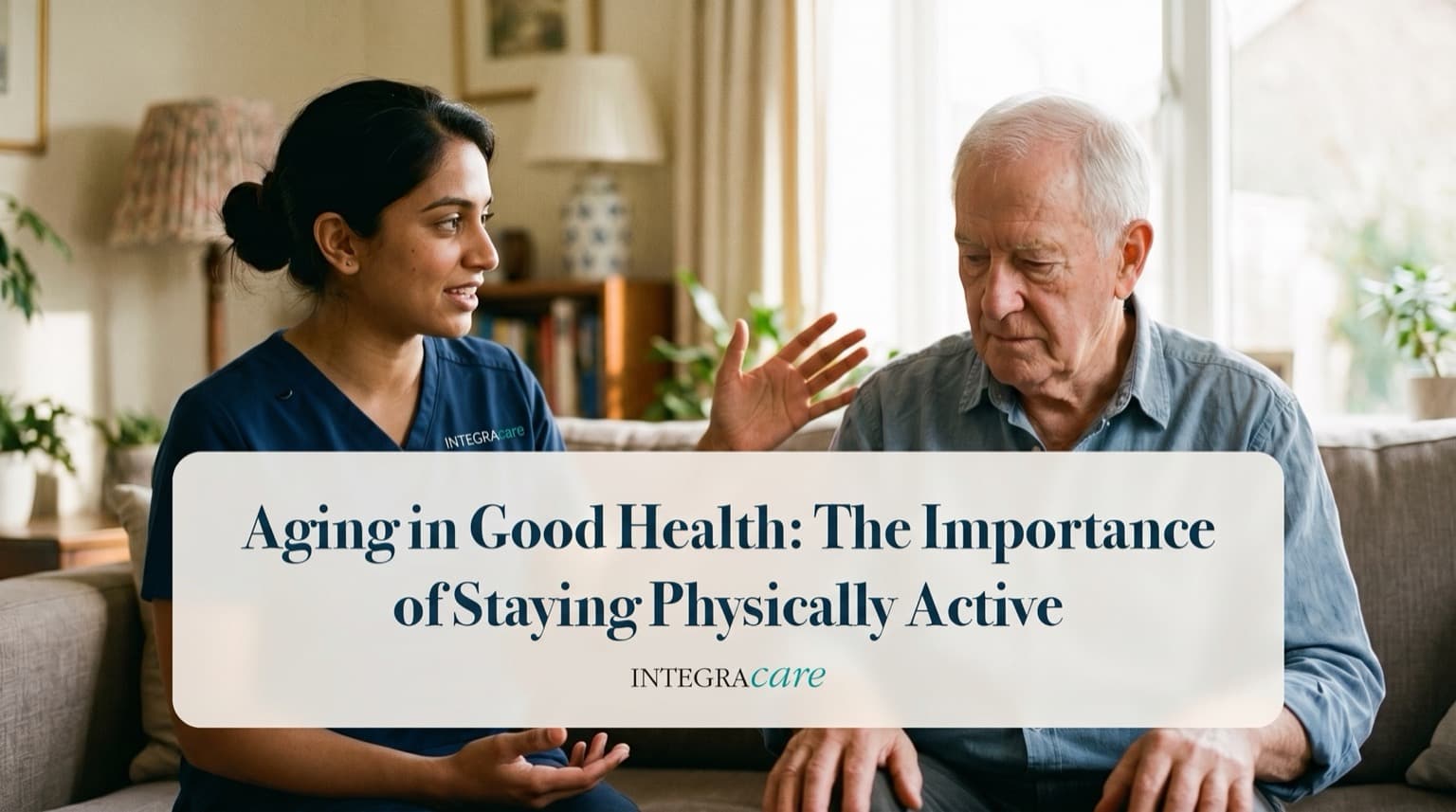
Aging in Good Health: The Importance of Staying Physically Active
Published
Updated
Written by Lee Grunberg, M.B.A. — President & CEO
Reviewed by Bethel McMaster, BScN, RN — Director of Business Development
On this page12 sections
Key Takeaways
- Staying active helps older adults maintain independence longer.
- Good health supports mobility, confidence, and daily function at home.
- Physiotherapy can help with strength, balance, pain, and recovery.
- Regular medical monitoring helps catch issues early and support safe aging in place.
- Nutrition, movement, and social connection all work together to support healthy aging.
Most of us don't think much about movement until it starts becoming more difficult. Climbing the stairs, carrying groceries, getting up from a favourite chair, or keeping up with grandchildren may not feel quite as easy as they once did. These changes are a natural part of aging, but they don't always mean independence has to be lost. Staying active doesn't have to mean intense workouts or hours at the gym.
Walking, stretching, swimming, gardening, or simply moving a little more throughout the day can help maintain strength, improve balance, support heart health, and make everyday life feel easier. When movement becomes more difficult because of pain, injury, or illness, personalized physiotherapy and professional support can help make staying active feel both safe and achievable.
What Is Active Living for Seniors?
Active Senior living is a lifestyle that values physical, mental, and social activity and integrates them into everyday life. Active Seniors incorporate a wide variety of activities into their lives, from sports to exercise to walking clubs and social activities. The definition of active is a broad one. The point of active living for Seniors is to engage body, mind, and spirit to live a fuller, healthier lifestyle.
Healthy Aging Begins With Everyday Movement
As we age, it's natural to notice changes in strength, balance, and flexibility. Regular physical activity helps slow many of these changes by supporting cardiovascular health, preserving muscle mass and bone strength, improving circulation, and keeping joints moving comfortably. It can also contribute to better sleep, improved energy, and overall well-being, making it easier to continue enjoying everyday life.
The Small Changes Worth Paying Attention To
The first signs of declining mobility are often easy to overlook. A shorter walk around the neighbourhood, needing extra time to stand, avoiding the stairs, or feeling less steady while carrying groceries may seem minor at first. Recognizing these changes early with the help of professional nursing care allows families to take steps that help maintain strength, confidence, and independence before they become bigger challenges.
Helping Good Health Last Longer
The choices made today can shape how someone feels months and even years from now. Staying active, enjoying nutritious meals, keeping up with regular health check-ups, maintaining social connections, and addressing changes early all work together to support long-term mobility, strength, and overall well-being, helping older adults continue living life with greater confidence as their needs evolve.
Why Active Senior Living Is So Important
To stay mobile, sharp, self-confident and independent, staying active should be a crucial part of your, or your loved one’s, routine.
Here are a few reasons Seniors should stay active:
To Improve Strength
Seniors who remain active often report feeling stronger, able to walk and perform household tasks with relative ease. This is because staying active improves muscular endurance and stamina, as well as reducing the risk of age-related bone loss. Improving strength also has the resultant benefit, therefore, of promoting independence. With an improvement in strength often comes a willingness to take on more personal tasks.
To Improve Balance and Mobility
A very present fear for many Seniors is the risk of falling. Falling can harm a Senior’s life: it might cause a debilitating injury, limit their ability to remain active and social or make it harder to remain independent. It is, therefore, beneficial for Seniors to try activities that promote balance. With better balance can also come greater mobility.
To Stay Mentally Sharp
We all know that exercise promotes blood flow, but what you may not know is that better blood flow can have a profound effect on brain function. Take this article from Harvard Medical School, which synthesizes research about exercise’s positive effects on memory and decision-making. The article also states that exercise can help reduce anxiety, promote a better night’s sleep and put you in a better mood. If your loved one wishes to remain mentally sharp as they age, regular exercise is a good idea.
To Boost Self-Confidence
As mentioned, staying active can help promote independence and mobility, both key components of self-confidence for Seniors. Confidence is a significant factor in overall happiness and well-being, not just for Seniors, but for everyone. The more we trust in our own abilities and capabilities, the better we feel. To that end, exercise really does benefit Seniors holistically, enhancing their overall quality of life.
As a Social Activity
One of the wonderful aspects of exercise is that it can be communal. Whether exercising in a class or with a physiotherapist, exercise can provide Seniors the opportunity to socially engage with others. Feelings of isolation and loneliness can be hard on Seniors, but being physically active offers them a great opportunity to socialize with others.
Low Impact Exercises for Active Seniors
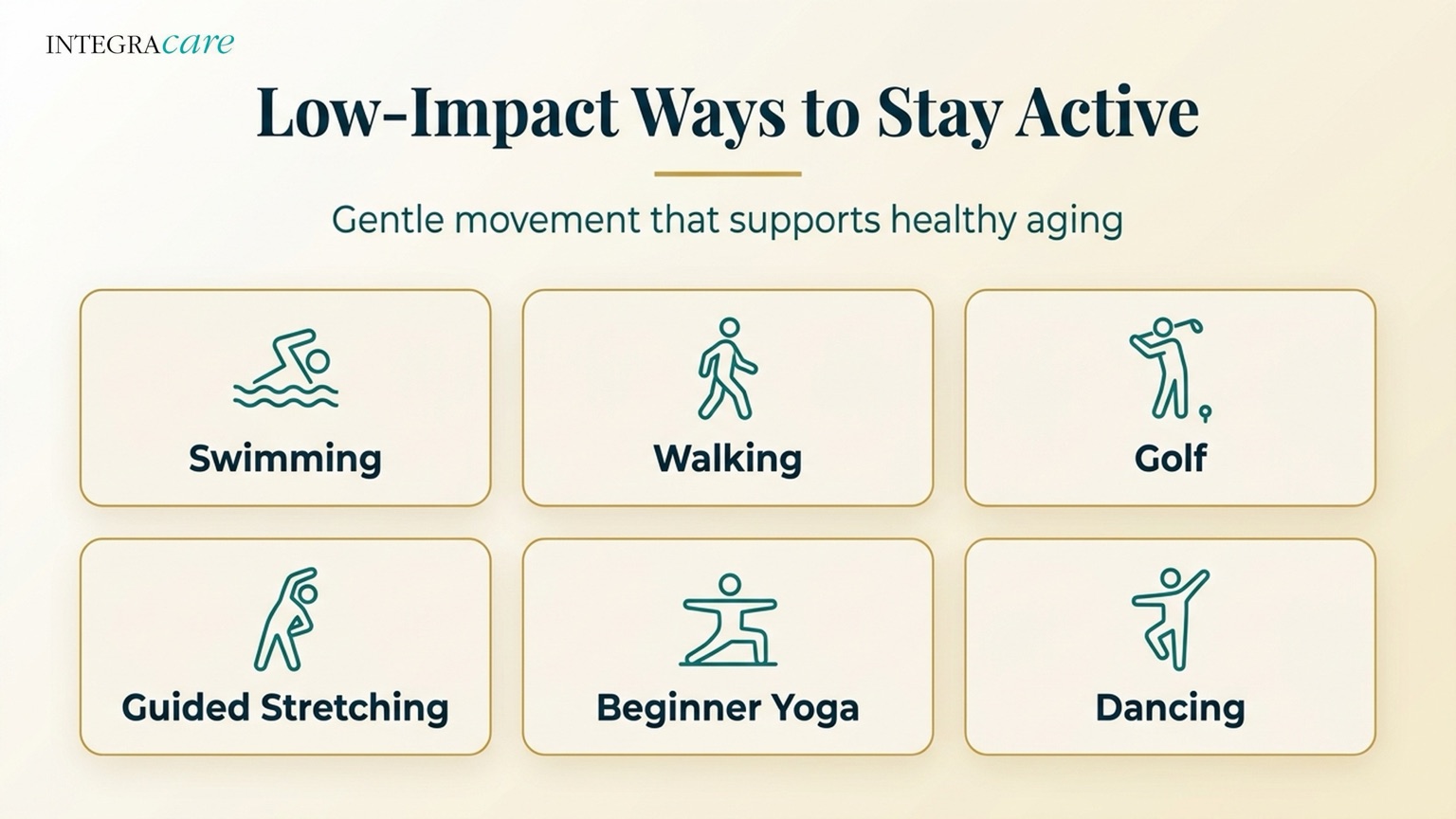
Don’t think that Seniors are confined to just a few types of exercise – there are many ways for seniors to stay active both inside and outside, which involve socializing and fun. As we age, however, it is important to steer clear of exercises that put undue stress on our joints and bones. Exercises like jumping rope or running can be hard on joints, especially the knees. Instead, choose from the wide variety of low-impact exercises available, of which the following are just a few:
Swimming
Join a water aerobics class or swim laps at the local pool. Both are great ways of increasing cardiovascular health, muscle strength and flexibility. Not only that, but they can be fun ways of meeting like-minded people. And who doesn’t love splashing around in the water? Also, because your joints experience basically no shock whilst in the water, swimming and water aerobics are very low impact.
Walking
Whereas running can be hard on the knees, walking is relatively gentle. It is a great way of getting in some light cardio, and finding a bit of fresh air while you’re at it. Another great thing about walking, as opposed to other exercises, is that it can be a functional part of your day; you can walk to the store to get groceries or to the pharmacy and fulfil your daily activity. For more of a social element, you can call a friend or an Integracare Caregiver to share the walk with you.
Golf
Golf is one of the best sports for active Seniors who are looking to stay fit and have fun. Golf is fun, social, and engaging, and it involves a lot of walking. If you aren’t a golfer already, fear not; there are classes on offer through most golf courses, many of them tailored specifically to Seniors. Speak with your doctor first, and get tips from a physiotherapist about stretching beforehand.
Guided Stretching Exercises
To improve flexibility and aid in the healing process, try guided stretching exercises with a physiotherapist. Neck stretches, knee lifts and shoulder rolls are just a few of the basic stretches you can do with one of our registered physiotherapists, who are expertly trained in helping Seniors improve their strength, balance and self-confidence. If you or a loved one is recovering from an injury or surgery or simply wants a safe, effective way to improve health, contact Integracare about our private home health care services.
Yoga
There are many different types of yoga, but they all share a few common benefits: they increase balance, flexibility and mobility. To start, choose beginner-level yoga, one with less emphasis on strength training. Restorative Yoga, Vinyasa Yoga and Kundalini Yoga are all good types to start with.
Dancing
Feel young, get active and have a joyous time. Dancing is one of the most fun ways of staying active, and it can be a terrific way to meet people. Whether you join a tango class, drop in for a one-time dance at a community centre, or simply crank up the radio at home and move around, dancing is wonderful for cardiovascular health and stability.
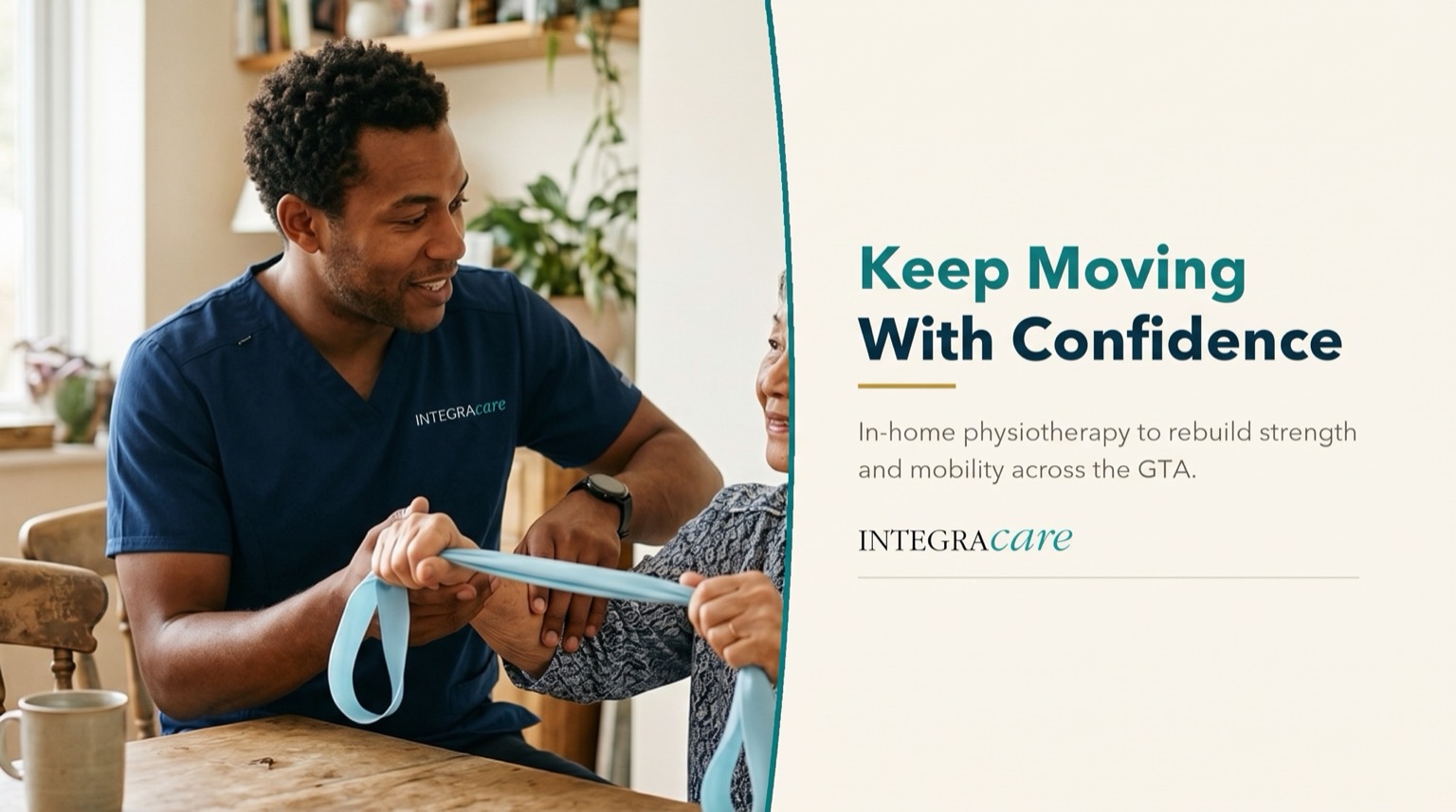
Rebuilding Mobility Safely
Staying active can feel out of reach when you are managing stiff joints, low energy, or the aftermath of a stroke, surgery, or sudden fall. When everyday movement feels unstable or intimidating, professional physiotherapy shifts the focus from simply trying to get moving to doing so safely.
With structured, personalized guidance, exercise stops being about pushing through pain. Instead, it becomes a practical way to rebuild balance, protect your bone health, and regain the confidence needed to handle daily tasks at home. For family members helping navigate these changes, this hands-on clinical guidance provides an immediate sense of reassurance, replacing the constant worry about falls with a practical plan for daily safety.
Helping the Body Move With Greater Ease
Physiotherapy helps older adults continue moving safely and comfortably by improving posture, flexibility, strength, balance, and overall mobility. Through guided stretching, movement retraining, and personalized exercise programs, physiotherapists help address the physical changes that can make everyday activities feel more difficult over time.
This support can be especially valuable when pain begins affecting daily routines. Conditions involving the compression of joints, spinal bones, or spinal discs may lead to stiffness, reduced mobility, and ongoing discomfort. Physiotherapy can also play an important role in geriatric pain care, helping older adults recover after a fall, surgery, or stroke while encouraging safe movement throughout the healing process.
At Integracare, our physiotherapists develop practical strategies that fit naturally into everyday life. Every treatment plan is tailored to the individual, helping reduce pain, improve strength, and support long-term mobility while making daily activities feel more manageable.
Staying Ahead of Changing Health Needs
Many health changes happen gradually, making regular medical care an important part of healthy aging. Routine health screenings, ongoing check-ups, and conversations with healthcare professionals can help identify concerns early, monitor chronic health problems, and review new symptoms, health problems, and treatments before they begin affecting daily life. Regular follow-up also allows families to ask questions, adjust care plans, and ensure health needs continue to be well managed over time.
Staying organized can make these conversations even more productive. Keeping track of medications, health history, specialist appointments, and important medical information helps families and healthcare professionals work together to provide more coordinated, informed care.
The Benefits of Active Living for Seniors
Engaging in regular physical activity will enhance a Senior’s overall quality of life by improving their physical and mental health. Seniors enjoy the same benefits of exercise that everyone does. The exercise that they engage in doesn’t even have to be intense. Even active Seniors walking benefit from better cardiovascular health and reduced risks of heart disease. Physical activity helps Seniors achieve better health outcomes and avoid long-term illnesses.
Active Senior care incorporates Senior care with active living. Even Seniors who need a bit of extra help keeping up with chores like shopping, cleaning, or meal preparation benefit from maintaining an active lifestyle. Active Senior care can include assistance with exercises, physiotherapy, help for active Seniors walking, and other activities that can help Seniors maintain their physical health.
Nutrition is another major part of healthy aging. The foods older adults eat can affect energy, strength, recovery, and the ability to stay active, which is why meals should be viewed as part of the overall care plan, not just part of the routine.
When good nutrition and movement work together, it becomes easier to maintain the strength needed for daily life at home.
Nutrition for Healthy Aging
A healthy, balanced diet gives older adults the fuel they need to stay strong and active. Foods that support bone health, such as calcium and vitamin D, can help protect against osteoporosis, while vitamin B12 supports energy and overall well-being. Lean meats, whole grains, and other healthy foods also play a role in maintaining a healthy weight and supporting recovery.
Nutrition can also affect heart health. Choosing foods lower in saturated fat and being mindful of cholesterol and high blood pressure can help support long-term wellness. That matters because cardiovascular health and physical activity often go hand in hand, especially for older adults who want to stay independent.
At the same time, nutrition can become harder to manage with age. Appetite may change, chewing may become uncomfortable, and cooking may feel like too much work some days. When that happens, simple, nourishing meals can make a real difference in how someone feels and functions.
Good food supports more than physical health. It helps older adults keep the energy they need for daily movement, social connection, and the routines that make aging in place possible.
Staying Connected Supports Healthy Aging
Growing older involves much more than looking after physical health. Staying mentally, emotionally, and socially engaged helps older adults continue enjoying the relationships, routines, and activities that give each day meaning. These parts of well-being are closely connected, and when one begins to change, it's common for the others to be affected as well.
Families are often the first to notice subtle differences. A loved one who once looked forward to social gatherings may begin declining invitations. Favourite hobbies become less appealing, conversations become shorter, or managing everyday responsibilities starts to feel more overwhelming. Recognizing these changes early creates opportunities to provide support before they begin affecting overall quality of life.
Supporting Brain Health Through Everyday Habits
Healthy cognitive aging isn't about keeping busy every minute of the day. It's about giving the brain regular opportunities to stay active, engaged, and challenged.
Simple activities can help support brain health and cognitive function, including:
- Reading books, newspapers, or magazines.
- Completing puzzles, word games, or memory activities.
- Learning a new hobby or practising a familiar skill.
- Listening to music or participating in creative activities.
- Having regular conversations with family, friends, and neighbours.
These activities can also help older adults continue managing instrumental activities of daily living, such as preparing meals, managing medications, shopping, keeping appointments, and making everyday decisions with greater confidence.
When Emotional Well-Being Begins to Change
Health changes, retirement, the loss of a spouse or close friend, or reduced mobility can all affect emotional well-being. Feelings of grief, loneliness, or worry are not uncommon, but they shouldn't simply be accepted as part of getting older.
Families may notice changes such as:
- Less interest in favourite activities.
- Spending more time alone.
- Changes in mood or motivation.
- Difficulty concentrating or making decisions.
- Increased forgetfulness or signs of cognitive decline.
Talking openly about these changes and involving healthcare professionals when concerns arise can help older adults receive the support they need while maintaining dignity and independence.
Connection Is Part of Staying Healthy
Social connection is one of the simplest ways to support emotional and cognitive health. Meaningful conversations, family visits, community activities, and shared routines help reduce feelings of isolation while encouraging older adults to stay mentally active, involved, and connected to the people around them.
Everyday Routines That Support Well-Being
Activity doesn’t need to be a hassle, nor does it need to be undertaken in solitude; Seniors can stay active whilst having fun and being social. Supporting emotional well-being often comes down to the little things. Maintaining familiar routines, enjoying favourite hobbies, spending time outdoors, or simply having someone to share a conversation with can help reduce stress, provide a sense of purpose, and make each day feel more enjoyable.
At Integracare, these everyday moments are encouraged as an important part of helping older adults continue living well at home. We understand that making the decision to seek out home health care can be a difficult one, so feel free to contact us to discuss how we can help with a compassionate caregiver or in-home physiotherapy.
Frequently Asked Questions
How can Integracare help older adults age in place?
Integracare can help older adults stay safe, comfortable, and independent at home by providing support that fits their daily needs. This may include in-home physiotherapy, mobility support, recovery support, and private home health care services. Their team can also help families manage changes early, which can make aging in place feel more realistic and less overwhelming.
How does staying active help older adults age in place?
Staying active helps older adults maintain strength, balance, flexibility, and cardiovascular health, all of which support safer movement at home. It can also improve sleep, mood, and confidence, making daily routines feel more manageable. Even simple habits like walking, stretching, or light exercise can help reduce frailty over time. When movement is consistent and safe, it becomes easier for older adults to remain independent in their own homes longer.
What kind of physical activity is best for aging in place?
The best physical activity is usually a mix of walking, strength-building exercises, stretching, and balance work. These activities help support mobility, bone strength, muscle mass, and fall prevention without placing too much stress on the body. The most suitable plan depends on a person’s health, current ability, and comfort level. For many older adults, the goal is not intense exercise, but regular movement that can be done safely and consistently.
How can physiotherapy support healthy aging?
Physiotherapy can help older adults move more safely and comfortably by improving posture, flexibility, balance, and strength. It is often helpful for pain, stiffness, reduced mobility, and recovery after a fall, surgery, injury, or stroke. A physiotherapist can also create a personalized plan that fits the person’s needs and daily routine. This kind of support can make it easier to stay active, avoid setbacks, and continue living independently at home.
When should an older adult consider physiotherapy?
An older adult may benefit from physiotherapy if they are dealing with pain, weakness, poor balance, stiffness, or trouble walking. It can also be helpful after surgery, a stroke, or a fall, when movement may feel less steady or more difficult. Even mild changes in mobility can be worth addressing early, before they lead to bigger limitations. Physiotherapy can help older adults stay safer, more confident, and more active in daily life.
How does Integracare support recovery and mobility?
Integracare can support recovery and mobility through physiotherapy and home care services designed to help older adults move more safely and confidently. This may be especially helpful after surgery, injury, a fall, or a stroke. Support at home can make exercises, daily routines, and recovery plans easier to follow consistently.
How can Integracare make aging in place safer?
Integracare helps make aging in place safer by offering support that addresses mobility, recovery, and day-to-day care needs at home. When older adults have the right help in place, it can reduce the risk of setbacks and make it easier to stay active and independent. For families, that added support can also bring peace of mind.
Why is regular health screening important for aging in place?
Regular health screening helps identify changes early, often before they become more serious or harder to manage. This is especially important for older adults living with chronic health problems or new symptoms. Screening can also help guide treatment decisions and keep care plans up to date. When health concerns are found early, older adults and families are better able to plan and support safer, more stable aging at home.
What records should older adults keep for medical care?
It helps to keep a list of current medications, allergies, health professionals’ names and numbers, emergency medical information, and a health and medicine history. It is also useful to record symptoms, health problems, and treatments, especially if several providers are involved. Having these details organized can make appointments more productive and help in urgent situations. Clear records support better communication, safer care, and more confident decision-making for families.
What should older adults do if they feel lonely or isolated?
Older adults who feel lonely or isolated should try to stay connected through regular family calls, visits, community programs, or social activities. Even small routines can help reduce social isolation and support emotional well-being. Conversation, shared meals, and time outside the home can all make a difference. If loneliness persists, it may help to speak with a health professional or caregiver, especially if mood, motivation, or daily functioning start to change.
Can poor sleep affect aging in place?
Yes, poor sleep can affect energy, memory, mood, and physical function, which can make daily life harder to manage. It may also increase the risk of falls or reduce the motivation to stay active. Good sleep patterns are an important part of healthy aging because they help the body recover and the mind stay focused. Regular movement, consistent routines, and stress management can all support better sleep over time.
How do medical and home care services work together?
Medical care and home care work together by supporting both health needs and day-to-day living. Medical professionals manage diagnosis, treatment, and monitoring, while home care can help with routines, safety, and follow-through at home. This might include reminders, support with appointments, or help staying organized. When both types of care are coordinated, older adults often have an easier time managing chronic health problems and remaining independent at home.
How can family members support aging in place?
Family members can support aging in place by encouraging safe movement, helping organize medical records, checking in on nutrition, and keeping track of changes in health or mobility. They can also help reduce isolation by making time for conversation and visits. Small, steady support often makes a big difference, especially when an older adult is recovering or losing confidence. The goal is to help them stay safe, comfortable, and as independent as possible.
Free In-Home Assessment
The Care Your Family Deserves Starts Here
Speak with our team about a personalized care plan. Book a free, no-obligation in-home assessment and we will help you find the right support for your loved one.
About the Author: Lee Grunberg

President & CEO, M.B.A.
Lee joined Integracare as President & CEO on August 2, 2016 after an approximately 20 year career in Private Equity and Investment Banking. Lee brings tremendous operational knowledge and governance experience along with an incredible passion and energy to Integracare.