
Blog
How Autumn Changes the Way We Support Loved Ones at Home
Published
Written by Lee Grunberg, M.B.A. — President & CEO
Reviewed by Bethel McMaster, BScN, RN — Director of Business Development

On this page18 sections
When the air cools and leaves turn golden, the rhythm of caregiving shifts too. Autumn in Canada is not just a season of beauty, it is a season of adjustment.
A Canadian longitudinal analysis found that leisure-time physical activity drops significantly from summer to fall, which means many seniors become less active as cooler temperatures and shorter days set in. This shift brings both comfort and challenges. The beauty of the season is undeniable, but shorter days, slippery sidewalks, colder weather, and flu season all call for new routines at home.
For families and caregivers, the question is simple: how do we adapt so loved ones stay safe, comfortable, and connected? The answer lies in thoughtful, proactive caregiving that acknowledges the unique demands of autumn while preserving independence and dignity.
At Integracare, we have seen how each season requires a different kind of care. With over 30 years of delivering high-quality home health care across the Greater Toronto Area, we know autumn requires vigilance, flexibility, and compassion. This guide explores how caregivers and families can best support seniors at home through the fall months.
Why Autumn Demands a Shift in Caregiving
Seasonal transitions are more than a change in wardrobe. For seniors, fall brings:
- Safety concerns: wet leaves, uneven sidewalks, and early frosts can increase fall risk.
- Health challenges: cooler weather and flu season strain immunity.
- Emotional wellbeing shifts: shorter days and longer nights can trigger loneliness and seasonal depression.
- Household changes: homes and yards need preparation for colder months.
Understanding these shifts is the first step. The second is building practical routines that make home caregiving more resilient, safe, and responsive. According to the Public Health Agency of Canada’s Injury Prevention for Seniors , falls are the leading cause of injury among older adults, which makes seasonal awareness critical.
Dressing for the Season: Appropriate Clothing and Footwear
The right clothing can make the difference between comfort and risk. Autumn means unpredictable temperatures. Warm afternoons can quickly dip into chilly evenings, and for seniors, sudden changes can worsen arthritis, increase stiffness, or raise the risk of colds.
- Layering is key: light, breathable fabrics close to the skin with warmer outerwear on top.
- Non-slip footwear: wet leaves are as dangerous as ice. Sturdy shoes with good tread reduce the risk of falls.
- Weather-ready accessories: gloves, hats, and scarves protect against the wind while also boosting circulation.
Caregivers can help by performing a seasonal home assessment , checking closets, swapping out summer clothes, and ensuring seniors have safe, comfortable options ready at hand.
Strengthening Resilience: Health and Wellness Maintenance
Autumn is flu season. For seniors, this means immunity must be prioritized. Care routines should adjust to support both physical and emotional wellness.
- Nutrition matters: root vegetables, warm soups, and vitamin-rich seasonal produce help strengthen immunity.
- Hydration remains vital: cooler weather does not mean dehydration disappears. Seniors may feel less thirsty but still need fluids.
- Routine medical care: fall is the time to check vaccines, book flu shots, and schedule preventive appointments.
- Physical activity indoors: shorter days may limit walks, but yoga, stretching, or even registered massage therapy at home can keep muscles strong and circulation healthy.
Supporting health is not only about the body, it is also about the mind. Emotional wellbeing can dip as the days grow darker. Scheduling professional care, outings when weather permits, and stimulating indoor activities helps prevent isolation.
Protecting the Environment: Home and Yard Safety
Wet leaves, early frosts, and stormy winds are part of autumn in Canada. They also create new risks for seniors. Caregivers should focus on prevention before hazards appear.
- Outdoor checks: rake leaves, clear walkways, and check railings for stability.
- Indoor safety: ensure rugs are secure, lighting is bright, and emergency items such as flashlights and batteries are accessible.
- Heating readiness: test furnaces and space heaters before the first frost. Poorly ventilated systems increase risks of carbon monoxide or dry air, which can impact breathing.
A fall home safety review protects against accidents and gives families peace of mind. It also reduces stress for seniors who want to remain independent but may worry about seasonal risks. The PHAC guide on preventing falls in and around your home offers practical steps that families can follow to make indoor and outdoor spaces safer.
Resetting the Clock: Seasonal Time Adjustments
The transition out of daylight saving time can be harder on seniors than we realize. A one-hour shift affects sleep cycles, medication routines, and mood.
- Adjust gradually: shifting bedtime and waking time by 15 minutes over several days can ease the transition.
- Bright light in the morning: exposure to sunlight or light therapy lamps helps regulate circadian rhythms.
- Routine consistency: meals, medications, and care visits should remain steady to minimize confusion. Provincial guidance such as the BC Guidelines on fall prevention recommends annual fall risk screening and seasonal adjustments to reduce risks when routines shift.
For seniors with cognitive conditions such as dementia, these adjustments are particularly important. Families relying on a dementia care service benefit from specialized training in how seasonal transitions affect behaviour, confusion, and restlessness.
On the Move: Vehicle and Equipment Preparedness
Transportation and equipment take on new importance in autumn. Cold weather puts added stress on vehicles and mobility aids. A proactive approach ensures seniors can travel safely and use supportive devices without interruption.
- Vehicle safety: caregivers should schedule seasonal maintenance, checking tires, brakes, and heating systems.
- Mobility aids: walkers and canes need proper grips for wet or frosty conditions. Wheelchairs should be checked for stability and wheel traction.
- Home equipment: humidifiers, heating blankets, and stair lifts should all be inspected ahead of colder weather.
Preparedness is not only practical, it prevents disruptions in essential care. Families arranging private nursing care or transportation for appointments know that delays or breakdowns can create avoidable health risks.
Supporting Emotional Wellbeing in Shorter Days
One of the most overlooked aspects of autumn caregiving is emotional health. With fewer daylight hours, many seniors experience seasonal affective disorder (SAD) or heightened feelings of isolation.
Practical strategies include:
- Daily connection: whether through family visits, virtual calls, or scheduled caregiver visits.
- Purposeful activity: cooking seasonal recipes, light gardening before frost, or engaging hobbies.
- Compassionate care: caregivers providing palliative care at home or long-term support can integrate emotional check-ins as part of daily routines.
At Integracare, we have found that seniors thrive when they feel heard, engaged, and connected, even when the outside world feels quieter and darker.
The Importance of Nutrition and Immunity
Autumn nutrition is about more than comfort food. It is about resilience. For seniors, immunity is directly tied to what is on the plate.
- Seasonal produce: squash, carrots, apples, and kale provide vitamins C and A, supporting immune function.
- Warm, easy-to-digest meals: soups, stews, and porridges are gentle on the digestive system.
- Preventing deficiencies: vitamin D supplementation may be recommended as daylight hours decrease.
Integrating nutrition into daily care helps prevent illness and provides comfort. It also complements Integracare’s home health care and its focus on holistic, personalized plans that go beyond clinical needs.
Dementia-Inclusive Autumn Care
For individuals living with dementia, seasonal changes can heighten confusion. Darker evenings, altered routines, and unfamiliar seasonal cues may increase agitation.
Strategies for dementia-inclusive autumn care include:
- Consistent routines: reducing surprises around mealtime, bedtime, and medication.
- Lighting support: ensuring indoor spaces remain well-lit to counteract early sunsets.
- Familiarity first: surrounding seniors with comforting, recognizable objects or scents, such as autumn spices, can help anchor them.
As an Ontario provider with a dementia-inclusive approach, Integracare’s caregivers are trained to anticipate these seasonal challenges and respond with compassion. Families searching for trusted home health care in Toronto can feel confident their loved one’s unique needs are fully supported.
The Registered Nurses’ Association of Ontario’s Best Practice Guideline reinforces these approaches by outlining evidence-based strategies to reduce fall risk in older adults, including those living with dementia.
Family Caregivers: Recognizing Their Needs Too
Autumn often signals busier schedules for families. Work ramps up, school resumes, and caregiving responsibilities may feel heavier. For family caregivers, acknowledging their own wellbeing is essential.
Professional services like companionship care at home or respite visits ensure loved ones remain safe while families recharge.
For those providing full-time care, seasonal support can help prevent burnout and allow time for personal responsibilities. Caregivers may also benefit from national resources such as the Healthcare Excellence Canada Resource Guide on Falls Prevention which offers practical tools on home safety, mobility, and medication awareness.
Beyond Toronto: Regional Awareness
While Integracare primarily serves Toronto and the Greater Toronto Area, families across Ontario face similar autumn challenges. In regions like Ottawa, seniors and families can benefit from Ottawa Home Care Services that address the unique demands of the season. Colder nights, early snowfalls, and heightened health risks all require the same careful attention. The principle remains the same: proactive, compassionate care rooted in respect for each individual.
Preparing the Mind and Spirit for Seasonal Transitions
Caregiving in autumn is not only about physical safety. It is also about nurturing the inner world of seniors who may feel the change of season more deeply than others.
- Mindful routines: Gentle practices like morning tea rituals, reading, or quiet reflection by a window can help ground seniors as daylight shortens.
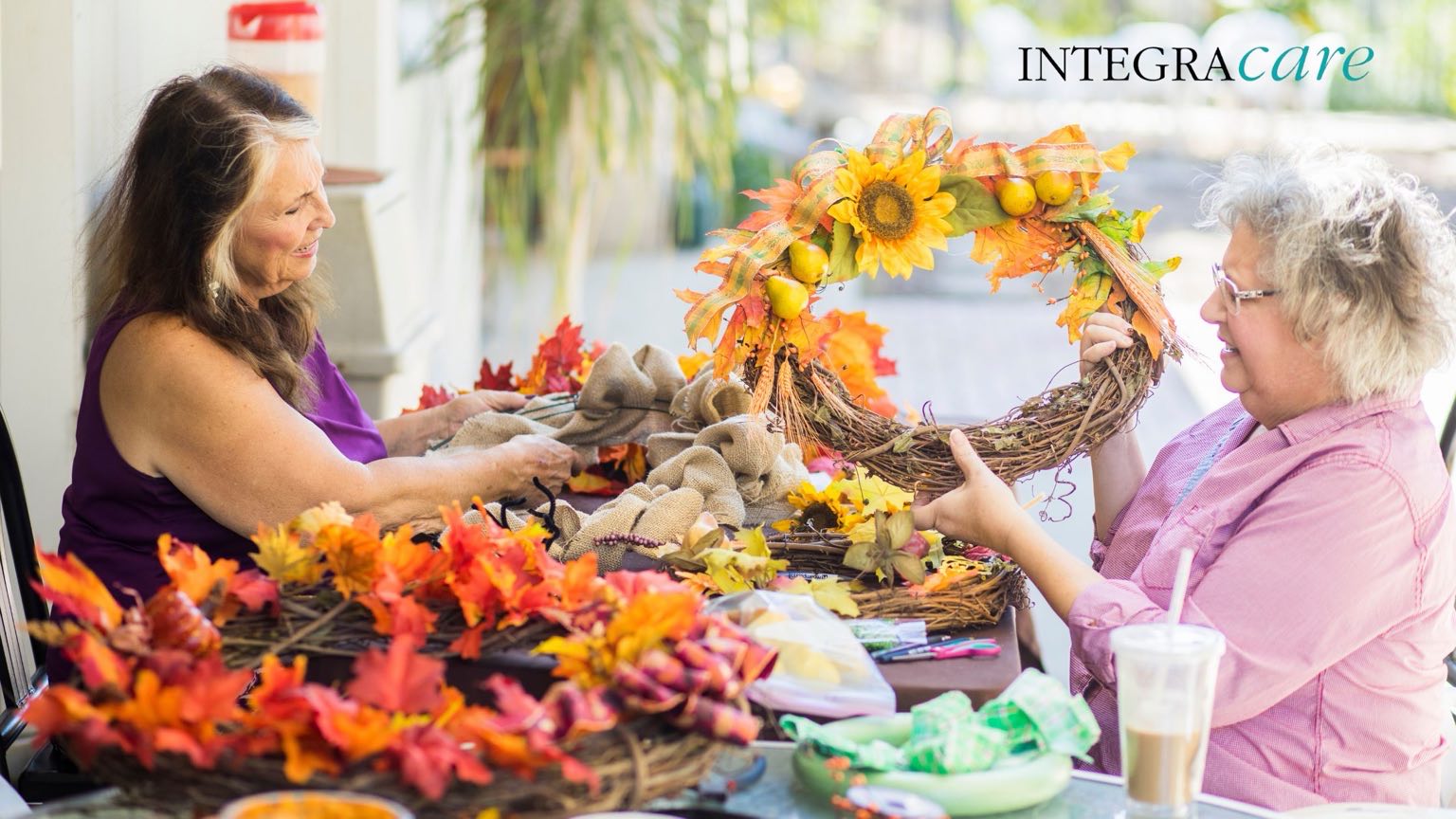
- Creative engagement: Autumn lends itself to meaningful activities such as journaling, crafting with fall leaves, or baking family recipes that spark memory and joy.
- Spiritual care: For many older adults, faith traditions, meditation, or prayer provide strength. Building these moments into daily caregiving routines can support resilience during times of transition.
This holistic approach ensures that seniors feel cared for in every dimension, mind, body, and spirit.
Caregiving Through the Lens of Community
Autumn is also a season of community connection: harvest festivals, cultural celebrations, and local events bring people together. For seniors, staying socially engaged is vital for mental health.
- Neighbourhood walks: With proper footwear and support, a short stroll to see the changing leaves can provide exercise and joy.
- Community events: Attending farmers’ markets or church gatherings helps seniors maintain a sense of belonging.
- Virtual groups: For those who cannot leave home, online book clubs or group video calls ensure meaningful interaction.
By weaving community into caregiving, families remind loved ones that they are part of something larger, even as the season grows quieter.
Caregiver Preparedness: Staying Ahead of Seasonal Stress
Autumn often arrives with its own stresses for caregivers too. Balancing work, school schedules, and caregiving can leave little room for rest. But being proactive prevents burnout.
Plan ahead: Schedule medical appointments, flu shots, and household maintenance early to avoid last-minute rushes.
- Ask for help: Professional services such as Integracare home health care allow family caregivers to share the load without compromising quality of care.
- Self-care matters: Whether it is an evening walk, reading time, or accessing registered massage therapy at home, caregivers benefit from routines that restore energy.
When caregivers are supported, seniors benefit too. Families are able to approach autumn caregiving with clarity and confidence rather than stress.
Looking Ahead: Preparing for Winter Now
Finally, autumn caregiving is also about looking forward. Preparing during the fall months ensures seniors transition smoothly into the harsher realities of Canadian winter.
- Emergency planning: stock up on supplies, refill prescriptions, and ensure backup heating options are tested.
- Layered care planning: if additional support such as palliative care at home may be required in the coming months, autumn is the right time to make arrangements.
- Holiday readiness: families can start discussing how celebrations will be managed to include seniors comfortably, whether at home or virtually.
By treating autumn as preparation season, families create smoother, safer experiences for loved ones when the snow inevitably falls.
Expanded Reflection: Autumn as a Caregiving Metaphor
Autumn, with its vivid colours and quiet transitions, mirrors caregiving itself. Both require patience, adaptability, and attention to change. Just as leaves shift gently from green to gold, caregiving routines must evolve gracefully as seasons and needs change.
Families who lean into these transitions discover something important: caregiving is not about controlling every moment, it is about responding with care, presence, and respect. Autumn reminds us that every stage of life has its beauty, and supporting loved ones at home ensures they can experience that beauty fully.
Why Integracare? A Family-First Approach
What sets Integracare apart is not just the services we provide, it is how we deliver them. Families continue to choose us because we offer:
- Comprehensive care: from palliative care at home to specialized dementia support.
- Trust and longevity: over 30 years serving Toronto, Mississauga, and surrounding communities.
- Compassion and expertise: caregivers trained in everything from wound care to mobility assistance.
- Peace of mind: 24/7 care coordination and on-call support.
The benefits of home health care in Canada go beyond convenience. Families maintain control, seniors remain in familiar environments, and care adapts as needs evolve.
Building Resilient Care Through the Seasons
As the leaves change, so does caregiving. Autumn invites us to prepare homes, protect health, and prioritize emotional connection. It also reminds families that support does not have to be carried alone. With the right partner, every season becomes a chance to strengthen resilience and nurture dignity at home.
At Integracare, we remain committed to being that partner, delivering compassionate, comprehensive care that evolves with the seasons and meets families where they are.
Because autumn may change routines, but it does not change what matters most: loved ones thriving safely, comfortably, and meaningfully at home.
Free In-Home Assessment
The Care Your Family Deserves Starts Here
Speak with our team about a personalized care plan. Book a free, no-obligation in-home assessment and we will help you find the right support for your loved one.
About the Author: Lee Grunberg

President & CEO, M.B.A.
Lee joined Integracare as President & CEO on August 2, 2016 after an approximately 20 year career in Private Equity and Investment Banking. Lee brings tremendous operational knowledge and governance experience along with an incredible passion and energy to Integracare.