
Blog
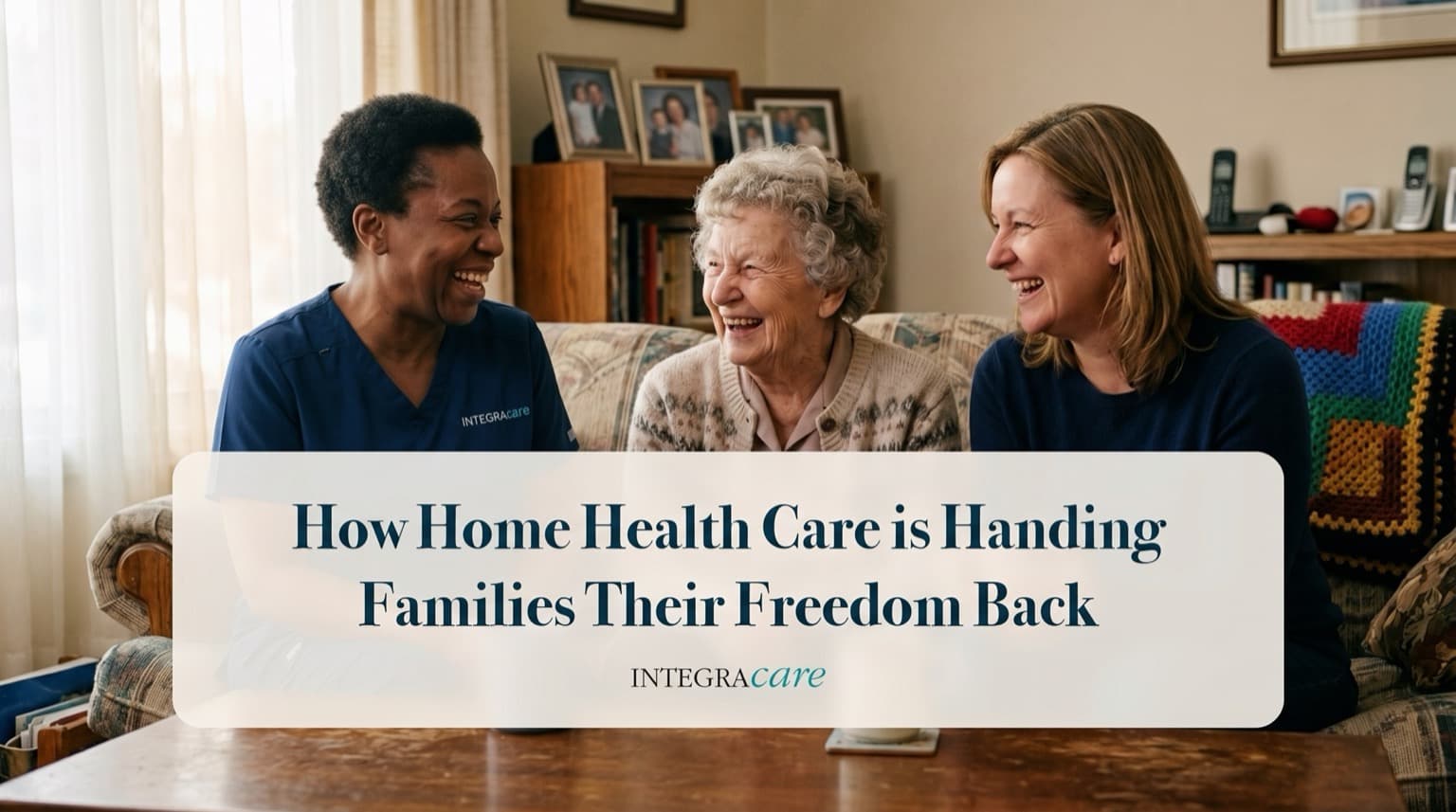
How Home Health Care is Handing Families Their Freedom Back
Published
Updated
Written by Lee Grunberg, M.B.A. — President & CEO
Reviewed by Bethel McMaster, BScN, RN — Director of Business Development
On this page22 sections
Key Takeaways
- Home care helps ease the daily pressure on family caregivers by sharing routine responsibilities.
- Professional support can prevent burnout by making space for rest, self-care, and peace of mind.
- Clear roles and open communication help reduce stress and strengthen family relationships.
- Early support makes caregiving feel more manageable as needs change over time.
- Compassionate home care helps families feel more balanced, supported, and connected.
Caring for a loved one is an act of love, but it can also be exhausting. Many family caregivers try to do everything themselves, from meals and medication reminders to emotional support and daily routines. Over time, that constant pressure can lead to burnout, stress, and strain on the whole family.
That’s where home health care can make a real difference. By sharing the load, home care gives families room to breathe again. It helps lighten daily responsibilities, protects relationships, and creates more space for rest, connection, and peace of mind.
Reducing Caregiver Responsibilities
Sharing the Load, Protecting Your Well-Being
Caring for a loved one is deeply meaningful, but it can also be overwhelming. Over time, constant caregiving duties can lead to sleep disruption, emotional exhaustion, and a sense that you’re always “on.” Compassionate in-home support helps lighten that load.
Where Professional Caregivers Step In
Professional caregivers bring specialized expertise to routine needs like personal care, meal prep, medication reminders, and mobility support. By handling these manageable areas, they free you to focus on being a son, daughter, spouse, or friend, rather than a full-time caregiver.
Our personal care services support daily routines with dignity and respect.
Clear Roles, Less Stress
When caregiving roles are clearly defined, everyone knows what to expect. Professional caregivers take on specific tasks, while family members focus on emotional connection and shared activities. This sharing of responsibility supports self-care, reduces stress, and strengthens your overall support system.
Space to Rest and Reconnect
Reliable in-home support gives you time for rest, work, or simply enjoying a quiet moment. That space for self-care helps prevent burnout, restores emotional balance, and lets you show up more fully, patient, present, and connected.
How Home Care Supports Families
Families often underestimate how daily caregiving tasks can dominate their lives. Cooking meals, managing medications, helping with personal hygiene, and even routine companionship become full-time commitments. Integracare Home Care expertly takes these daily responsibilities off your shoulders; their compassionate, professional live-in caregivers take the stress out, ensuring your loved ones receive dedicated attention and allowing you to regain precious time and mental space.
Restoring Emotional Balance
Caregiving can take an immense emotional toll. It frequently leads to severe stress, anxiety, and physical fatigue. Integracare recognizes that comprehensive home care prioritizes mental well-being alongside physical health. By entrusting professional caregivers with daily responsibilities, such as medication management, mobility assistance, and personal care, families experience profound emotional relief.
Professional support directly reduces chronic worry, prevents caregiver burnout, and restores peace of mind. Ultimately, this structural support allows family members to step out of the demanding role of full-time supervisor and return to being a supportive son, daughter, or spouse.
A Support System for Family Caregivers
Family caregivers often feel isolated or alone in their responsibilities. Integracare doesn’t just provide care to seniors, they also become a supportive network for families. Their caregivers offer reassurance, practical caregiving advice, and compassionate understanding, creating a genuine partnership that reduces stress and isolation for family caregivers. This partnership ensures families are never alone on their caregiving journey, adding a layer of emotional support that goes beyond routine tasks.
Personalized Care, Balanced Lives
One of the biggest strengths of personalized care is the balanced lives it helps families achieve. Integracare’s tailored approach ensures your loved one’s specific needs, preferences, and daily routines are fully respected. This personalized care provides families with the assurance that their loved one is well-supported, creating space to rebalance personal lives, careers, and other critical family responsibilities.
Financial Considerations and Funding Options
For many families, the cost of care is a significant consideration. Fortunately, home health care services offer flexible financial options, easing worries about affordability. Whether it’s coverage through insurance, veterans’ benefits, government assistance, or local community programs, Integracare helps families explore available resources. This financial clarity ensures home care is accessible, allowing families to focus less on budgeting and more on enjoying valuable moments together.
Supporting Changing Needs with Flexible Care
Professional home care is uniquely positioned to adapt as your loved one’s needs evolve. Integracare’s responsive care approach means the type and frequency of support can easily adjust over time, whether transitioning from occasional visits to more comprehensive live-in care, or seamlessly adding specialized dementia care when necessary. Families can relax, knowing flexible, tailored support is always available, no matter how circumstances change.
Enhancing Overall Well-being
The impact of home care extends beyond daily tasks. Professional caregiving significantly enhances the overall well-being of seniors by preserving their dignity, independence, and sense of self-worth. This uplift in mental and physical health directly translates into improved well-being for family caregivers, reducing their worry and enhancing the quality of interactions and relationships.
Navigating Family Guilt
It’s natural for family caregivers to experience feelings of guilt when considering professional support, wondering if they’re somehow “giving up” on their caregiving duties. Integracare understands this emotional complexity and helps families realize that seeking professional help isn’t a sign of weakness; it’s an act of love.
Home care allows family members to remain deeply involved in their loved ones’ lives without carrying the weight of caregiving alone. By accepting professional help, families can replace guilt with reassurance, knowing they’ve chosen compassionate and expert care for their loved ones.
Reclaiming Family Dynamics
Family dynamics can shift dramatically when one member becomes a primary caregiver. Professional home care rebalances these dynamics by allowing family members to resume their natural roles, children as children, spouses as partners. Integracare’s reliable home care strengthens relationships, allowing families to focus on meaningful connections, knowing their loved ones are in compassionate and professional hands.
Early Intervention and Burnout Prevention
Catching the Signs Before They Become Crises
Caregiver burnout builds slowly through chronic stress, unclear boundaries, and unmet needs. Early intervention stops that cycle before it affects your health and your family’s well-being.
Recognizing Caregiver Burnout
Caregiver burnout is a state of severe physical, emotional, and mental exhaustion that drains your energy over time. It typically happens when you neglect your own health, personal needs, and emotional well-being to focus entirely on someone else. Without intervention, this chronic stress can completely compromise your ability to provide effective care.
Early Warning Signs
- Chronic Fatigue: Feeling completely exhausted even after a full night of sleep, leaving you with zero energy for daily tasks. You can learn more about managing this by reading up on fatigue coping strategies.
- Emotional Shifts: Feeling unusually irritable, angry, anxious, or unable to control your mood swings during normal daily interactions.
- Social Withdrawal: Isolating yourself from supportive friends, skipping family gatherings, and completely abandoning the hobbies you once loved.
- Health Changes: Experiencing frequent headaches, unexplained body pains, weakened immunity, or sudden weight fluctuations due to stress. Review these stress physical symptoms to see how deep the impact can go.
- Loss of Hope: Feeling trapped, helpless, or increasingly resentful of your role, often accompanied by a sense that things will never improve.
These early indicators suggest it’s time to bring in extra support. Addressing them early protects both your emotional and physical health, and keeps care sustainable long-term.
Caregiver Self-Assessment
Take a moment to honestly evaluate your current situation and mental workload. Read the following statements and note how many apply to your daily life:
- I find it difficult to relax or quiet my mind, even when someone else is watching my loved one.
- I am snapping at family members, close friends, or the person I care for over minor issues.
- I have skipped my own doctor appointments, ignored physical symptoms, or neglected my own health issues.
- I feel completely overwhelmed by the sheer number of daily tasks and scheduling demands I must complete.
- I secretly wish I could escape my caregiving responsibilities altogether just to get a temporary break.
What Your Score Means
- 1–2 Boxes Checked: You are managing the workload for now, but stress is actively creeping into your daily routine. Start prioritizing small daily breaks and setting boundaries immediately to protect your peace.
- 3+ Boxes Checked: You are firmly in the burnout danger zone, which puts your health at serious risk. It is time to step back, look into stress management tools, and actively seek outside support. Utilizing structured clinical guidance and dementia related challenges counselling can provide you with dedicated emotional backing and actionable coping strategies to navigate this intense phase.
Start with a free care assessment to identify your needs.
How to Initiate Conversations About Getting Help
Asking for help is not a sign of weakness or a failure of your duties. It is an absolute necessity to ensure your loved one receives sustainable, safe, and high-quality care over the long term.
Tips for Talking to Family Members
- Be Direct: State exactly what you need rather than dropping hints or waiting for them to notice your exhaustion and offer.
- Use "I" Statements: Say, "I am feeling overwhelmed and need help with grocery shopping," instead of, "You never help me with anything."
- Break It Down: Assign specific, manageable tasks like managing medical finances, cooking weekend meals, or taking over a single afternoon shift.
Tips for Talking to Your Loved One
- Focus on Quality: Explain that bringing in outside help allows you to spend better, less stressful quality time together as a family.
- Frame it as a Trial: Suggest trying an in-home aide or a community day program for just two weeks to see how it goes. Integracare offers flexible personalized care plans that evolve as needs change.
Having open family communication helps to navigate the conversations smoothly.
How Scheduled Support Helps
Scheduled support offers short-term or regular relief so you can rest, recharge, and attend to your own needs. Whether it’s a few hours a week or ongoing visits, this support provides a break without compromising the quality of care your loved one receives.
Open Communication, Realistic Expectations
Talking openly about what’s working, and what’s not, helps set realistic expectations. When families, caregivers, and care recipients share responsibilities and communicate regularly, it reduces confusion, eases tension, and creates a more balanced, supportive environment for everyone. Our team offers coordinated care plans to keep everyone aligned.
Supporting Aging in Place
Aging in place is more than just a practical choice; it’s a deeply emotional preference for many seniors who cherish the familiarity of their own homes. Integracare recognizes the emotional and physical benefits of aging at home by empowering seniors to live safely and comfortably in their own environment.
Home health care services empower seniors to safely age in place, preserving their autonomy and dignity, making caregiving easier by making home the safest, most comfortable environment possible. Integracare’s home care services offer families the invaluable gift of normalcy, ensuring elderly loved ones remain comfortably at home while receiving professional care.
Comparing Care Options: Home Care vs. Facility Care
When caregiving at home becomes too difficult or medically complex, you have two primary paths forward to explore.
| Feature | Home Care (In-Home Aides) | Facility Care (Assisted Living/Nursing Home) |
| Environment | The loved one stays in their familiar home, surrounded by their own belongings and comfortable memories. | The loved one moves to a dedicated residential community designed for senior living. |
| Independence | Maximizes personal routines, autonomy, and independence in a comfortable, everyday setting. | Structured schedule, but offers robust social activities and group events. |
| Safety | Requires modifying the house with ramps or grab bars to prevent serious falls. | Built-in safety features with 24/7 professional staff monitoring and medical alert systems. |
| Cost Structure | Charged by the hour; can get expensive if your loved one eventually requires 24/7 care. | Fixed monthly rent covering housing, utilities, food, and basic medical care. |
| Relief Level | Personal Support Workers provide relief for the primary caregiver to prevent burning out. | Fully transfers daily caregiving burdens and medical management away from the family. |
Though family caregiving comes from a place of deep love and commitment, professional home care services provide specialized expertise that families may not possess. Integracare’s professionally trained caregivers bring a level of knowledge, consistency, and specialized care that significantly surpasses informal caregiving, enhancing safety, health outcomes, and overall quality of life for seniors.
Cultural Sensitivity and Personalized Care
Each family has its own traditions, values, and preferences. Integracare deeply respects this uniqueness by offering culturally sensitive care tailored to your family’s background and lifestyle. Whether it’s preparing familiar meals, respecting religious observances, or understanding family customs, caregivers take the time to ensure your loved one feels truly seen, valued, and understood, providing comfort and familiarity that enhances both the quality of care and your loved one’s sense of belonging.
Promoting Independence Through Activity
Professional caregivers understand the importance of keeping seniors active, engaged, and connected to their favourite hobbies. Integracare’s caregivers thoughtfully encourage activities tailored to your loved one’s interests, whether that’s gardening, puzzles, music, or storytelling, fostering greater independence and happiness at home.
Debunking Common Myths About Home Care
Home care services can significantly improve lives, yet myths still linger. Let’s clear up some common misconceptions:
- Myth #1: Home care means losing independence.
- Truth: Home care actually promotes independence by supporting seniors to safely do more of the things they love.
- Myth #2: Professional caregivers are impersonal.
- Truth: Caregivers often become trusted companions, building genuine connections through warmth, empathy, and consistency.
- Myth #3: Home care is only for medical needs.
- Truth: Home care covers everything from personal care and companionship to daily errands and emotional support.
- Myth #4: Family caregivers don’t need professional help.
- Truth: Professional care complements family caregiving, offering specialized support, guidance, and relief, ultimately strengthening family relationships.
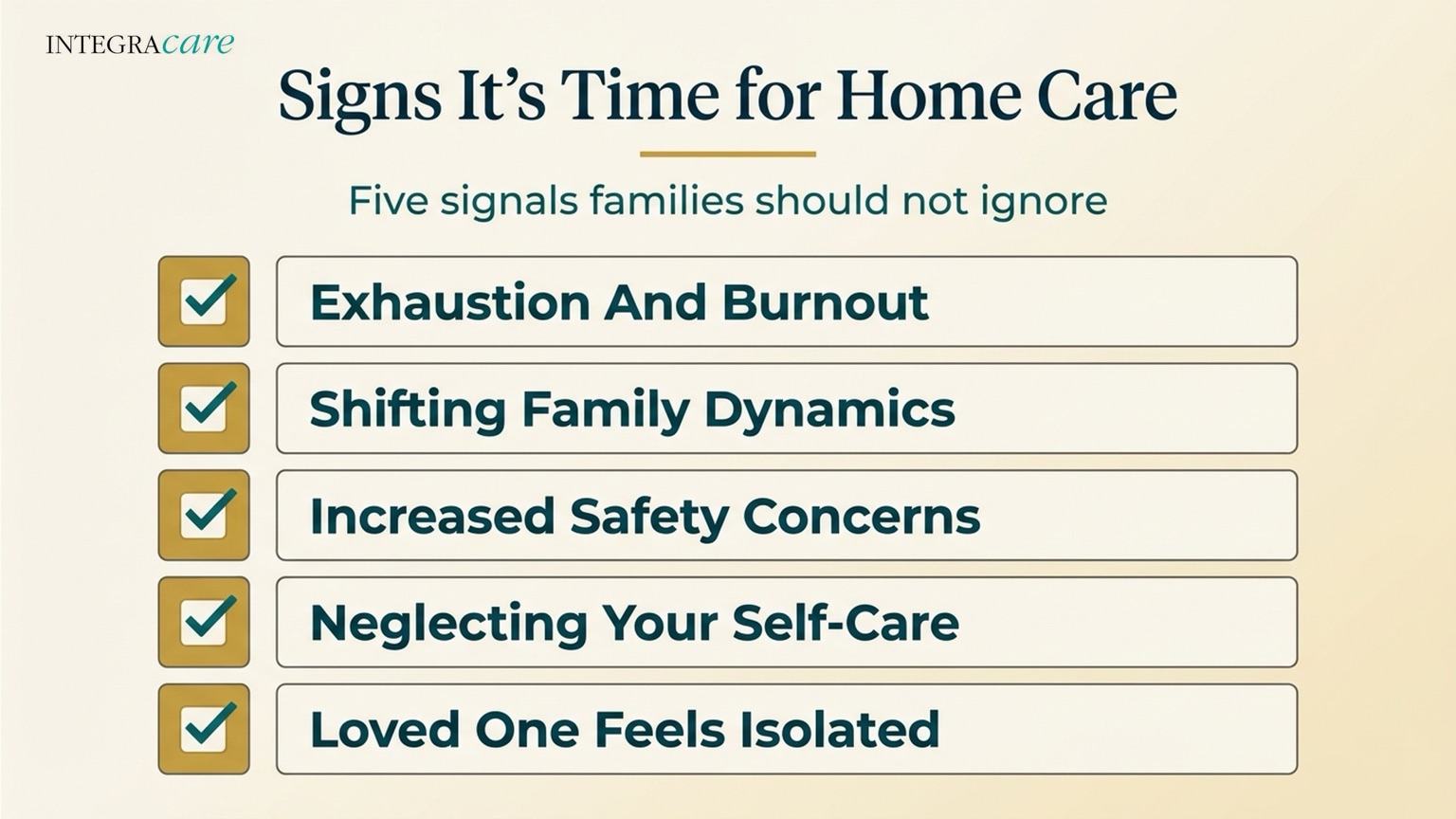
Signs It’s Time to Consider Home Care
Wondering if professional home care might be right for your family? Here are some tell-tale signs it’s time to bring in some extra support:
- Exhaustion and Burnout: You’re feeling persistently tired, overwhelmed, or emotionally drained from caregiving tasks.
- Changes in Family Dynamics: Your caregiving role is overshadowing other important family relationships or responsibilities.
- Increased Safety Concerns: You’re noticing increased risks, such as falls, missed medications, or forgetting important tasks.
- Neglecting Self-Care: You’re sacrificing your own health, social activities, or emotional needs due to caregiving demands.
- Loved One’s Isolation: Your loved one seems increasingly lonely, withdrawn, or emotionally distant, signalling they might benefit from companionship and social engagement.
Recognizing these signs early means you can get timely support, protecting your family’s emotional well-being and restoring balance to your lives.
How to Start the Conversation About Home Care
Bringing up home care with your loved ones might feel awkward or emotional. Here’s how to approach the conversation with compassion, sensitivity, and clarity:
- Choose the Right Moment: Pick a calm, relaxed time when everyone is comfortable, avoid bringing it up during stressful situations.
- Lead with Empathy: Start by acknowledging feelings and concerns, emphasizing that home care is about comfort, dignity, and quality of life.
- Listen Actively: Allow loved ones to express their feelings openly, reassuring them their opinions matter.
- Focus on Benefits: Emphasize how home care can enhance independence, preserve relationships, and improve everyone’s emotional well-being.
- Be Patient: Accept that it may take several conversations to feel comfortable with the idea, and that’s completely normal.
Having this open dialogue helps families make compassionate, informed decisions together.
The Unexpected Joys of Home Care
Home care doesn’t just relieve stress, it can spark unexpected moments of joy, connection, and positivity for everyone involved. Consider these uplifting examples:
- Rediscovering Shared Passions: Families often find themselves reconnecting over favourite activities, such as cooking family recipes, watching classic films, or gardening together, thanks to caregivers facilitating these shared experiences.
- Moments of Laughter: Caregivers bring their own personalities, humour, and warmth, often turning routine moments into uplifting experiences filled with laughter and warmth.
- Milestones to Celebrate: Home care makes it easier to enjoy small milestones again, like birthdays, anniversaries, or simply having a peaceful, carefree day together.
- Building New Bonds: Professional caregivers often become like family, bringing fresh stories, perspectives, and relationships that enrich everyone’s lives.
By embracing home care, families don’t just find relief, they find meaningful joy that strengthens connections and restores happiness.
Why Families Are Choosing Home Care Over Institutional Care
Deciding between home care and institutional care can be tough, but more families than ever are choosing home care, and here’s why:
- Comfort and Familiarity: Seniors feel more secure, independent, and emotionally grounded in the comfort of their own home.
- Personalized Attention: Home caregivers provide one-on-one care, ensuring your loved one receives consistent attention tailored specifically to their needs.
- Emotional and Social Benefits: Seniors can maintain community ties, friendships, and daily routines, significantly reducing loneliness and isolation.
- Family Accessibility: Home care allows easier, more frequent family visits and interactions, nurturing strong bonds and creating happier memories.
- Flexibility and Choice: Home care provides freedom and flexibility that institutional settings cannot, personalized schedules, activities, and lifestyle choices remain firmly within the family’s control.
Home care’s personalized, compassionate approach gives families exactly what they value most: comfort, choice, and connection, right where they belong, at home.
Behind the Scenes: A Day in the Life of a Professional Caregiver
Ever wondered what a day looks like for a professional caregiver? Here’s a quick peek behind the scenes, revealing the blend of compassion, skill, and dedication that goes into daily home care:
- Morning Check-ins: Caregivers gently start the day by ensuring your loved one feels comfortable, supported, and ready for daily routines.
- Personalized Activities: From reading aloud, reminiscing over photos, or even virtual yoga, caregivers thoughtfully create stimulating activities that encourage happiness and comfort.
- Nutritious Meals with Heart: Cooking isn’t just about nutrition, caregivers often share family recipes or special treats, making meals moments of genuine connection.
- Monitoring Health & Safety: Professional caregivers pay close attention to subtle changes in health or mood, proactively addressing concerns before they become serious.
- Warm Companionship: Laughter, empathy, and listening ears help create genuine bonds, turning daily caregiving into meaningful friendship.
This inside look shows families that home care isn’t just practical, it’s personal, enriching, and deeply human.
Stories of Families Finding Freedom
When it comes to your family’s peace of mind, choosing the right home care provider matters, and Integracare is dedicated to helping families rediscover freedom, confidence, and quality of life.
Home health care is more than a solution, it’s a transformative choice that hands families their freedom back, quietly yet powerfully redefining the meaning of caregiving. Simply put, caregiving just got easier with the right support.
Take the First Step Toward Relief With Integracare
When caregiving feels overwhelming, having the right support can change everything. Integracare offers compassionate, personalized home care that helps ease daily stress, protect family relationships, and create more breathing room at home. If your family is ready for care that feels flexible, reliable, and truly centred on your loved one’s needs, we’re here to help. Contact us today to see how Integracare can support your family.
Frequently Asked Questions
What does “aging in place” really mean for our family?
Aging in place means your loved one remains safely at home with the comfort and familiarity of their own space, supported by home health care services that uphold dignity, autonomy, and a strong sense of self-worth. Professional caregiving helps maintain daily routines, activity engagement, and community ties while reducing loneliness and isolation. With personalized schedules and responsive care, families preserve emotional and physical benefits, promote independence, and create a sustainable path for aging in place that feels natural, respectful, and deeply reassuring for everyone involved.
How can home care help my parents stay independent longer?
Home care extends independence by building a tailored approach around daily routines, personalized services, and in-home support that respects your parent’s preferences and pace. Professionally trained caregivers assist with personal care, medication reminders, mobility, and routine needs so your loved one can focus on meaningful activities. This responsive care model protects dignity, strengthens autonomy, and supports emotional balance. With scheduling flexibility, live-in care options, and continuous monitoring of health and safety, families reclaim natural roles while their parents enjoy the comfort, familiarity, and freedom of aging in place at home.
What’s included in a personalized home care plan?
A personalized care plan is a living document that outlines tailored services such as companionship, personal care, meal preparation, medication support, specialized dementia care, and nursing care when needed. It integrates daily routines, culturally sensitive care preferences, and clear goals for monitoring health and safety. With regular communication, the plan adapts to changing needs, ensuring responsive care and scheduling flexibility. Whether you need a few weekly visits, twenty-four-seven support, or live-in care, the plan evolves to protect independence, dignity, and peace of mind for the whole family.
How do professional caregivers differ from family caregivers?
Professionally trained caregivers bring specialized expertise in personal care, mobility assistance, dementia support, and monitoring health and safety, complementing the love and connection family provides. They follow a structured care continuum, manage complex routines, and reduce sleep disruption and exhaustion for family members. While family caregivers offer emotional support and shared responsibility, professional caregivers add specialized support, guidance, and consistency. Together, they form a circle of support that improves health outcomes, quality of life, and emotional balance without replacing natural family roles or diminishing the meaningful relationships at the heart of care.
Isn’t home care only for people with serious medical needs?
That’s a common misconception. Home care services support a wide spectrum of needs, from warm companionship, daily errands, and light housekeeping to personal care, respite support, and specialized dementia care. Many families begin with a few weekly visits to prevent burnout, then expand as needs evolve. Professional caregivers provide emotional support, activity engagement, and help with routines long before a crisis arises. Home care is about preserving independence, reducing loneliness and isolation, and giving families flexibility, affordability, and peace of mind, not simply addressing acute medical needs or institutional care transitions.
How can home care reduce my stress and prevent burnout?
Early intervention is essential. Respite care and in-home support ease chronic stress, emotional exhaustion, and sleep disruption by sharing responsibilities and clarifying caregiving roles. Professional caregivers handle routine needs so you can focus on self-care, rest and recovery, and being a son, daughter, or spouse again. Clear boundaries, open communication, and regular self-check-ins restore emotional balance. With coordinated assistance, realistic expectations, and a sustainable support system, families prevent caregiver burnout before it escalates into a crisis, protecting both the care recipient’s well-being and the family’s long-term capacity to provide loving, present support.
Will bringing in outside support change our family dynamics?
Thoughtfully introduced, outside support strengthens family dynamics by clarifying defined roles and restoring natural roles. Regular communication and coordinated assistance keep everyone aligned, while respite care provides essential space for rest and recovery. Professional caregivers manage routine tasks, allowing more quality time for shared activities, warm companionship, and meaningful connection. Families often find emotional balance improves, guilt lessens, and relationships deepen as shared responsibility and open dialogue create healthier, more sustainable patterns. The result is a reclaimed sense of peace, stronger bonds, and more joyful interactions within the home environment everyone values.
How does home care support emotional well-being for everyone?
Home care offers warm companionship, personalized activities, and a reliable circle of support that eases family guilt and loneliness. For care recipients, consistent professional caregiving boosts dignity, autonomy, and a sense of self-worth through meaningful activity engagement and cognitive stimulation. For family members, respite care and open dialogue provide rest and recovery, improving emotional balance and reducing chronic stress. With shared activities, regular self-check-ins, and a compassionate support system, both care recipients and families experience reduced isolation, stronger connection, and a renewed sense of hope, stability, and peace in daily life at home.
What if our family needs flexible or short-term support?
Home care is designed for flexibility and responsive care. You can start with a few weekly visits for daily errands or companionship, then adjust to live-in care or twenty-four-seven support as needs evolve. Scheduling flexibility accommodates medical appointments, travel, post-surgical recovery, or temporary respite for family caregivers. Whether you need short-term in-home respite support or a longer-term tailored approach, services adapt to your care plan, routines, and budget. This ensures continuity, comfort, and dignity without locking you into a rigid arrangement, supporting aging in place with autonomy, safety, and peace of mind.
How do we build a strong support network around our loved one?
Start by mapping your existing support systems: family, friends, healthcare professionals, and local community programs. Add professional caregivers for specialized support, respite care, and care navigation to prevent burnout. Caregiver support groups and online communities offer emotional support, practical tips, and shared responsibility. With clear communication, defined roles, and a coordinated care continuum, families create a sustainable circle of support that honours the care recipient’s independence while protecting everyone’s well-being. This collaborative approach reduces loneliness and isolation, strengthens community ties, and ensures no one carries the weight of caregiving alone.
What are the financial considerations for home care in Ontario and across Canada?
Home care costs vary by hours, services, and complexity, but many families find private home care more affordable and flexible than institutional care. Flexible financial options may include government assistance programs (which vary by province), veterans’ benefits, private insurance, long-term care insurance, and local community programs. A clear conversation about the cost of care and available resources brings financial clarity and helps set realistic expectations. With a tailored approach, starting small and scaling as needed, families balance affordability with high-quality, personalized services that support independence, dignity, and aging in place comfortably at home.
How do we know when it’s time to bring in professional help?
Early indicators include mounting exhaustion, sleep disruption, missed medications, falls or near-misses, and growing anxiety about safety. If daily routines feel overwhelming or personal care tasks are becoming risky, it’s time to consider in-home support. Early intervention with respite care, a few weekly visits, or a free assessment from a Registered Nurse-managed team can prevent crises and restore emotional balance. Open communication, realistic expectations, and a tailored care plan help families transition smoothly, protecting dignity, independence, and quality of life for everyone while strengthening the overall support system at home.
Free In-Home Assessment
The Care Your Family Deserves Starts Here
Speak with our team about a personalized care plan. Book a free, no-obligation in-home assessment and we will help you find the right support for your loved one.
About the Author: Lee Grunberg

President & CEO, M.B.A.
Lee joined Integracare as President & CEO on August 2, 2016 after an approximately 20 year career in Private Equity and Investment Banking. Lee brings tremendous operational knowledge and governance experience along with an incredible passion and energy to Integracare.