
Blog
The Best Gift for Mom Might Be Peace of Mind: How Home Care Helps Families
Published
Written by Lee Grunberg, M.B.A. — President & CEO
Reviewed by Bethel McMaster, BScN, RN — Director of Business Development

On this page13 sections
Mother’s Day has a way of bringing everything into focus. The gratitude, the memories, the quiet recognition of how much has been given over the years. Flowers and dinners still matter, but for many families, there comes a point when the most meaningful gift is not something wrapped. It is something felt. Peace of mind.
As parents age, the questions begin to shift. Is she safe at home? Is she managing her daily routine? Is she feeling lonely? Is she getting the support she needs without losing the independence she values?
For families navigating these questions, professional home care offers something far more lasting than a one day celebration. It provides stability, reassurance, and the ability to support a mother’s well being in a way that feels respectful and sustainable.
Across Canada, home and community care is increasingly recognized as a vital way to help older adults remain safe and supported in their own homes while easing pressure on families.
This is where the idea of giving changes. It becomes less about a moment and more about a decision that supports her life every day that follows.
When Care Becomes the Conversation No One Was Prepared For
There is rarely a single moment that signals the need for support. It is often gradual. A missed appointment. A change in mobility. A home that feels just a little harder to manage than it once did.
Families do their best to step in. They adjust schedules, check in more often, and try to fill the gaps themselves. But over time, the reality becomes clear. Caregiving is not just about good intentions. It requires time, consistency, and emotional energy that can be difficult to sustain long term.
This is where professional home care services begin to shift the dynamic. Whether that includes day to day assistance or more specialized support like in home nursing care , families can create a stable, proactive system that reduces stress for everyone involved. It is not about replacing family involvement. It is about strengthening it with the right kind of support.
Independence Still Matters, Even When Support Is Needed
One of the most common concerns families have is whether bringing in outside care will feel like a loss of independence. In reality, the opposite is often true.
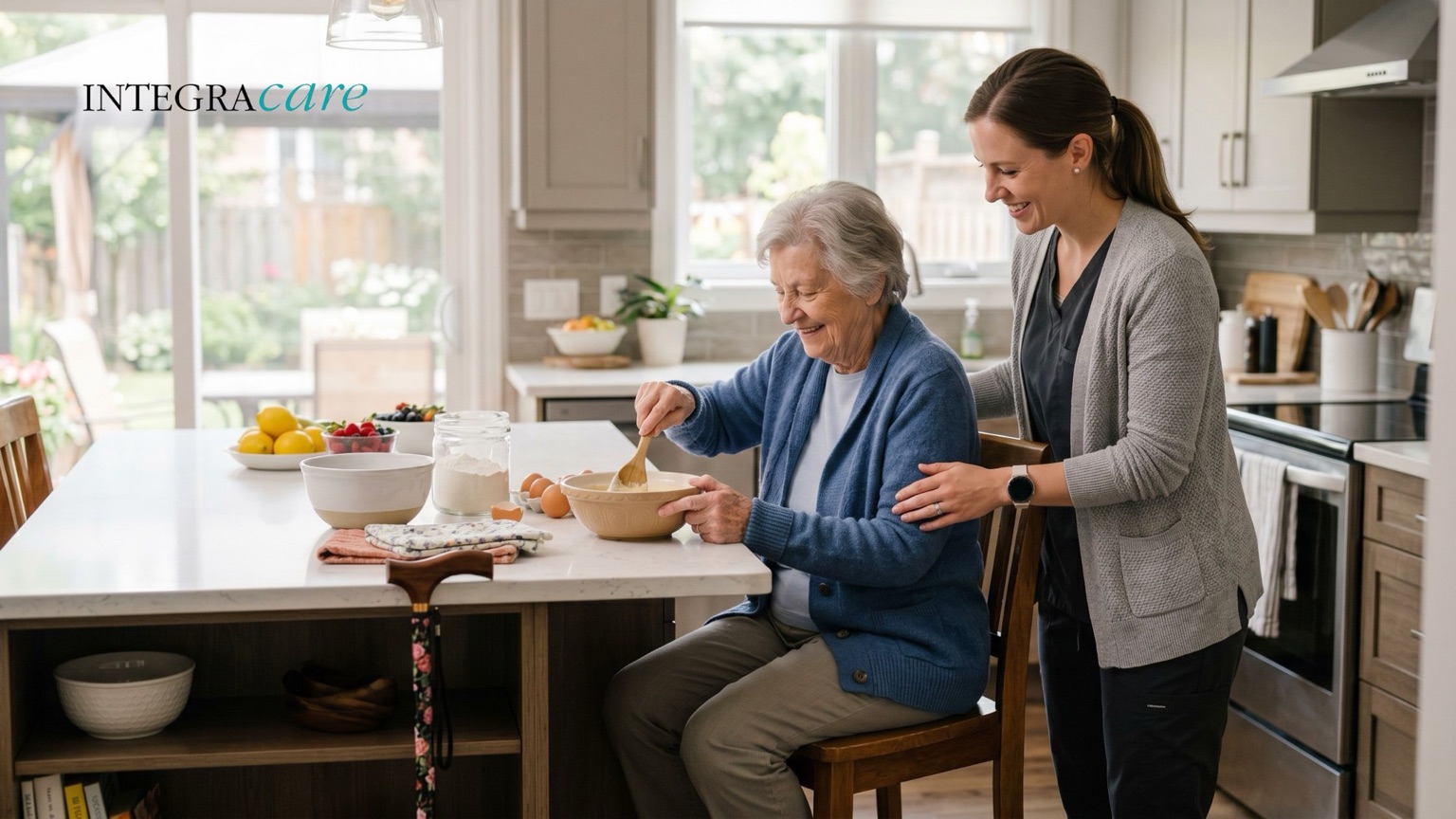
The right support allows seniors to remain in their own homes, surrounded by familiar routines, personal belongings, and a sense of control over their daily lives. This continuity matters more than many people realize.
Maintaining independence is closely tied to overall well being, and healthy aging initiatives across Canada continue to emphasize the importance of staying active, engaged, and supported at home.
With thoughtful senior care in Toronto , care is designed to adapt to the individual rather than forcing the individual to adapt to care. It respects preferences, habits, and personal rhythms while quietly supporting areas where help is needed. This balance is what allows independence to continue, not disappear.
The Quiet Relief of Knowing Someone Is There
There is a particular kind of stress that comes with uncertainty. It is the feeling of not knowing whether everything is okay when you are not physically present. For many families, this is the heaviest part of caregiving.
Professional care changes that. It introduces reliability into situations that once felt unpredictable. Regular visits, structured support, and trained caregivers create a consistent presence that families can depend on.
Services like personal support for seniors at home often include help with daily routines such as bathing, dressing, meal preparation, and mobility assistance. These are the tasks that quietly shape quality of life, and when they are supported properly, everything else becomes easier. The result is not just better care for the individual. It is a relief for the entire family.
Understanding the Types of Support Available
Home care is not a single service. It is a spectrum of support designed to meet different needs at different stages of life. Some families begin with occasional companionship visits. Others require more structured support, including medical care or ongoing supervision. The key is flexibility.
Types of home care services can include:
- Companionship and social engagement
- Personal care and hygiene support
- Meal preparation and household assistance
- Mobility and fall prevention support
- Specialized care for conditions such as dementia
- Nursing care for medical needs
In practice, home support services often include assistance with daily routines such as bathing, mobility, and meal preparation, all of which play a critical role in maintaining safety and comfort at home.
For families navigating memory related conditions, dementia care at home provides tailored support that focuses on safety, routine, and emotional reassurance. It is designed to reduce confusion while maintaining dignity.
For those with more complex health needs, professional medical support can be provided at home without requiring a move away from familiar surroundings.
Choosing a Home Care Provider That Feels Right
Inviting someone into your home is a deeply personal decision. It is not just about qualifications. It is about trust.
When considering providers, families often look for experience, professionalism, and a clear understanding of how care will be delivered. Transparency matters. Communication matters. Consistency matters.
Choosing a home care provider should feel like building a partnership, not making a transaction. Research across Canada continues to show that helping seniors age safely at home is closely tied to access to reliable, consistent in-home support.
With over 30 years of experience, Integracare has built its reputation on delivering thoughtful, client centred support. Their model focuses on understanding each client as an individual, ensuring that care feels natural and aligned with their lifestyle.
This is reflected in our approach to personalized home care , where every care plan is shaped by the client’s needs, preferences, and daily routine.
When Care Needs Become More Complex
There are moments when occasional support is no longer enough. Health conditions change. Mobility declines. Safety becomes a more immediate concern.In these situations, families often begin to consider more comprehensive options.
One of the most valuable services available is 24 hour home care support , which ensures continuous supervision and assistance. This level of care provides reassurance not only for the individual but also for family members who may live far away or have demanding schedules.
Around the clock care allows for immediate response to needs, reduces the risk of accidents, and creates a stable environment where the individual never feels alone. It is not about limiting independence. It is about protecting it in a way that feels sustainable.
Health Care vs Long Term Care: What Families Should Know
As care needs evolve, many families find themselves comparing options. Should care continue at home. Or is it time to consider a long term care facility. Understanding the difference is essential.
When exploring health care vs long term care , the key distinction lies in environment and experience. Long term care facilities provide structured, institutional support, often necessary for individuals with advanced medical needs.
Across the healthcare system, there is growing recognition that supporting seniors at home can improve outcomes while reducing pressure on hospitals and long term care facilities.
Home care, on the other hand, allows individuals to remain in a familiar setting while receiving tailored support. It prioritizes comfort, autonomy, and personal routine.
For many families, the decision comes down to quality of life. Remaining at home often preserves a sense of identity and emotional well being that can be difficult to replicate elsewhere.
The Emotional Side of Caregiving, and Why Support Matters
Caregiving is often framed as a responsibility, but it is also an emotional experience. It carries layers of concern, guilt, and sometimes quiet exhaustion.
Family members want to do everything themselves. It feels right. It feels necessary. But sustainable care requires balance.
Professional support allows families to step back from the pressure of managing every detail while still remaining deeply involved. It creates space for relationships to return to something more familiar, less defined by tasks and more defined by connection.
For those supporting loved ones with memory conditions, access to caregiver support and education can make a meaningful difference in managing daily challenges while preserving dignity and connection.
This is where consistent care for aging parents becomes invaluable. It ensures that support is steady, reliable, and not dependent on the changing availability of family members. Care becomes something that supports the relationship, rather than overwhelming it.
Small Daily Moments That Change Everything
It is easy to focus on major decisions when discussing care. But often, it is the small details that have the greatest impact. A warm meal prepared on time. A safe walk around the home. A conversation that breaks up the quiet of the day.
These moments build a sense of normalcy and comfort that shapes how each day feels. Caregivers are not just there to assist. They are there to create an environment where life continues to feel familiar and manageable.
This is what supports healthy aging in a meaningful way. It is not about dramatic changes. It is about steady, thoughtful support that allows individuals to continue living on their own terms.
Local Support That Understands Your Community
Access to care is important, but so is relevance. Services that understand the local community are better equipped to provide meaningful support. Families looking for senior care in Toronto benefit from working with providers who are familiar with the resources, healthcare systems, and unique needs of the area.
Ontario also offers a range of programs and services for seniors designed to support both individuals and caregivers as needs evolve.
Integracare has supported families across Toronto, Mississauga, and the Greater Toronto Area for more than three decades. This local presence allows them to connect clients with additional resources when needed, creating a more comprehensive support network.
It is not just about providing care. It is about understanding where that care fits within a larger community.

What Families Are Really Looking For
When families begin exploring care options, the questions are often practical at first. What services are available. How often can someone visit? What does it cost?
But beneath those questions is something deeper.They want to know that their mother will feel safe. That she will feel respected. That she will not feel like a burden.
They want reassurance that they are making the right decision. This is where client experiences and testimonials become important. They reflect real outcomes, not just promises. They show how care is experienced day to day, and how it impacts both individuals and their families. Trust is built through these shared experiences, and it often becomes the deciding factor.
Rethinking What a Meaningful Gift Looks Like
There is nothing wrong with celebrating Mother’s Day in traditional ways. Those gestures still carry meaning. But for families navigating aging and care, the most thoughtful gift may be one that extends far beyond a single day.
It is the decision to create a support system that allows a mother to feel secure, comfortable, and independent in her own home. It is the ability to replace uncertainty with clarity. Stress with reassurance. Questions with confidence. That is what peace of mind looks like. And for many families, it becomes the most valuable gift they can give.
Taking the First Step Toward Support
Starting the conversation around care can feel difficult. It requires honesty, openness, and a willingness to consider new options.
But it does not have to happen all at once. Many families begin with a simple step. Gathering information. Asking questions. Exploring what support could look like in their specific situation.
If you are considering care for your mother or a loved one, it may be time to reach out and learn more about the options available. Whether the need is occasional assistance or more comprehensive support, there is value in understanding what is possible.
With the right information and support, families can make confident decisions that prioritize both care and quality of life.
When you are ready, you can contact us to speak with a team that understands the importance of thoughtful, personalized care. Because at the end of the day, the goal is to ensure that the people who have cared for us feel just as supported in return.
Free In-Home Assessment
The Care Your Family Deserves Starts Here
Speak with our team about a personalized care plan. Book a free, no-obligation in-home assessment and we will help you find the right support for your loved one.
About the Author: Lee Grunberg

President & CEO, M.B.A.
Lee joined Integracare as President & CEO on August 2, 2016 after an approximately 20 year career in Private Equity and Investment Banking. Lee brings tremendous operational knowledge and governance experience along with an incredible passion and energy to Integracare.