
Blog
Why Consistent Care Is One of the Most Meaningful Acts of Love
Published
Written by Lee Grunberg, M.B.A. — President & CEO
Reviewed by Bethel McMaster, BScN, RN — Director of Business Development

On this page11 sections
There is a quiet power in showing up every day.
Not just once, not only when something goes wrong, but in the steady rhythm of presence. In care, consistency is not about schedules or systems alone. It is about recognition. It is about safety that grows through familiarity. It is about trust that deepens with time.
For families navigating aging, chronic illness, disability, or memory loss, care often begins with practical needs. Medication reminders. Mobility support. Meal preparation. Yet what transforms care from a service into a relationship is consistency. The same voices. The same routines. The same understanding of small preferences that make someone feel known.
At Integracare, care is not transactional. It is relationship-based. Built on continuity. Guided by compassion. Sustained through trust.
Because consistent care is not just support. It is one of the most meaningful acts of love.
The Emotional Weight of Familiarity in a Changing World
Change can be unsettling at any age. For individuals receiving home care, even small disruptions can feel disorienting. New faces, new routines, or unfamiliar communication styles can create stress that is invisible but deeply felt.
Consistency provides a stabilizing anchor. When a client sees the same caregiver each day, something shifts. They relax. They anticipate. They begin to trust. Over time, that trust becomes a foundation for emotional wellbeing.
This familiarity reduces anxiety and fosters connection. It allows care to move beyond surface tasks and into genuine understanding. A caregiver learns how someone likes their tea. Which stories bring comfort. When silence is needed. When conversation is welcome.
This emotional safety grows gradually, shaped by daily moments of predictability. Knowing who will walk through the door allows clients to feel prepared rather than guarded. It reduces the stress of having to explain themselves repeatedly. Over time, this stability supports emotional resilience and restores a sense of control, supporting aging in place by helping individuals feel grounded in their own space even as health and circumstances continue to change.
Research confirms this impact. A peer reviewed study on caregiver continuity found that consistent home care relationships improve psychosocial outcomes and reduce health risks.
Consistent In Home Care Planning Creates Confidence Through Continuity
Care should never feel fragmented. It should feel fluid. Thoughtful. Responsive.
A thoughtful home care consultation is often the first step toward creating consistent in home care planning that ensures support evolves as a person’s needs change, without disrupting the relationships that bring comfort. This approach builds confidence for both clients and families. It allows caregivers to notice subtle shifts, whether in mood, mobility, or health patterns.
When care teams work together over time, they gain deeper insight. They understand what is normal for each individual. They can anticipate challenges before they escalate. They can respond with empathy rather than urgency.
Care plans are not static documents. They are living frameworks that adjust as health, routines, and personal goals change. With continuity, updates happen smoothly rather than abruptly. Families feel reassured knowing transitions will not introduce confusion. Instead of repeating concerns to new providers, clients experience a seamless flow of care that feels natural, supportive, and aligned with their evolving needs.
The U.S. National Library of Medicine outlines how coordinated home health care improves safety, quality, and long term outcomes.
Creating Comfortable and Personalized Living Environments Through Consistency
A home is more than a physical space. It is an emotional landscape shaped by memories, routines, and personal rhythms.
Consistent caregivers learn how to preserve what feels familiar. They know where things belong. They understand daily habits. They adapt care to align with a person’s identity rather than impose a new structure.
This is the heart of personalized home care . It is not about performing tasks. It is about protecting dignity and preserving a sense of self.
When caregivers remain involved over time, they recognize subtle preferences that make a home feel truly personal. They support oral hygiene practices, meal routines, and bedtime rituals in ways that respect comfort and culture. This attention to detail creates calm rather than disruption. Familiar surroundings paired with familiar caregivers allow individuals to feel secure, confident, and valued within their own living environment.
Health Canada’s Safe Living Guide highlights how familiar, well organized home environments reduce injury and stress for older adults.
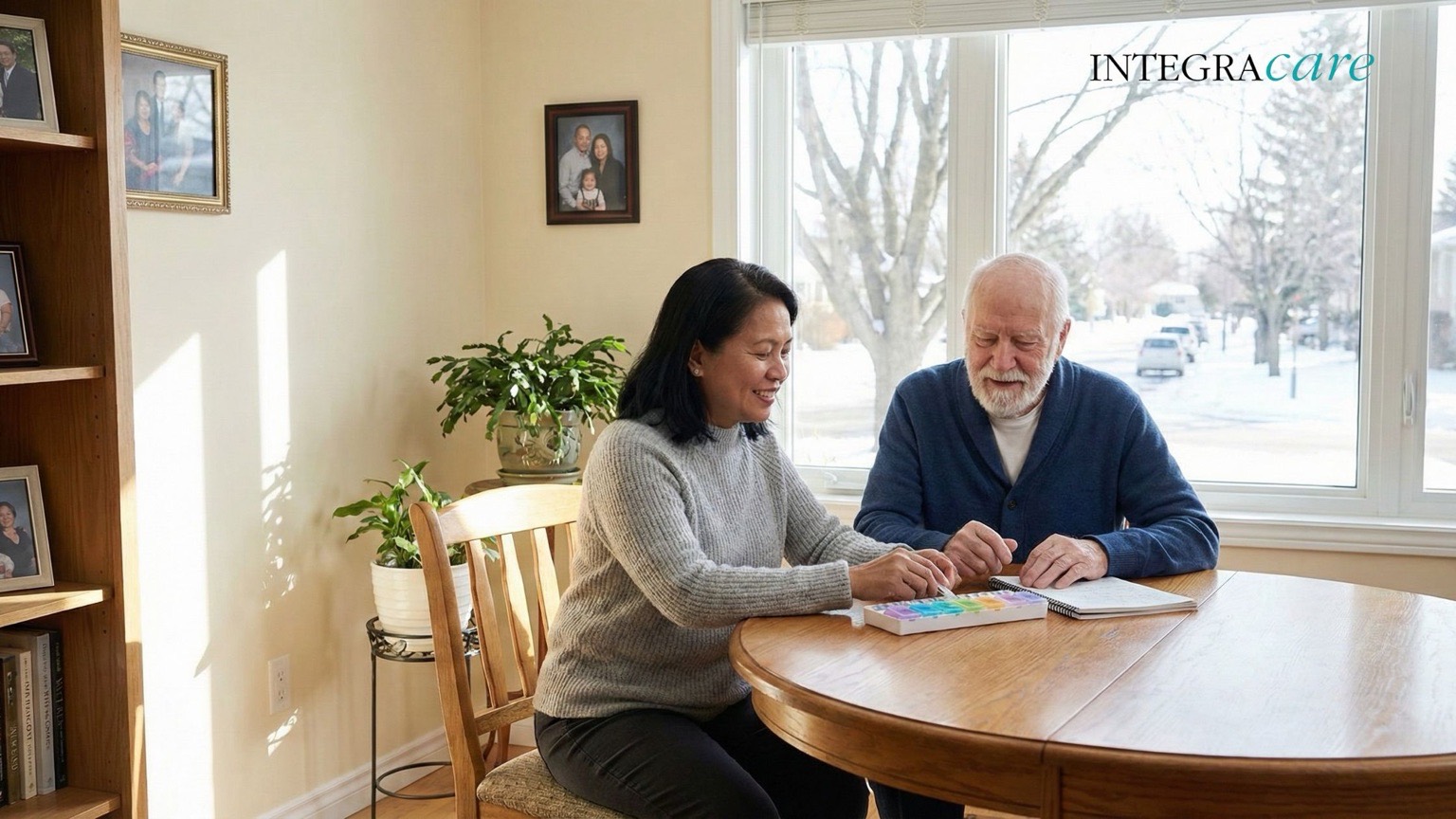
Emotional and Social Support for Seniors Begins with Trust
Loneliness is one of the greatest challenges facing older adults. It often exists quietly, hidden behind routines and polite conversations.
Consistent care builds relationships that offer emotional connection, not just assistance. Familiar caregivers become trusted companions. They notice changes in mood. They listen without rushing. They offer a presence that cannot be replicated through rotating staff.
This connection supports emotional wellbeing by reducing isolation and reinforcing a sense of belonging.
Through companionship and meaningful communication, caregivers support cognitive function and emotional well-being. Simple conversations, shared memories, and music therapy can improve mood and encourage emotional resilience. Companion care services also extend to family companionship, helping seniors feel supported by a network rather than a single provider. These shared experiences foster life satisfaction and remind individuals that their emotional needs matter just as much as their physical care.
Public Health Canada notes that social connection and emotional support are essential to healthy aging and mental wellness.
Engagement in Activities and Social Interaction Grows with Familiar Faces
When caregivers know someone well, they can encourage activities that align with their interests. They understand what brings joy. They recognize what feels overwhelming. They adjust gently, respecting comfort levels while fostering engagement.
Consistency allows for meaningful interaction. Whether it is music, crafts, walking, or conversation, these moments become opportunities for connection rather than obligations.
Caregivers introduce creative activities, storytelling sessions, outdoor activities, and group activities that support purpose and joy. Community involvement, volunteering opportunities, and intergenerational programs help address ageism while reinforcing identity. Recreational and educational activities create shared experiences that promote confidence. Through meaningful conversations and music and art-based activities, seniors remain socially connected and emotionally engaged in their daily lives.
The Government of Canada highlights that social engagement and daily activity protect cognitive and emotional health.
Safety, Health, and Personalized Care Oversight Through Continuity
Health changes rarely happen all at once. They unfold gradually.
Consistent caregivers are often the first to notice subtle shifts. Changes in appetite. Differences in sleep. New confusion. Increased fatigue. Because they know what is normal, they can respond quickly and communicate concerns effectively.
This oversight is strengthened through coordinated support that includes nursing care when needed.
Nurse care managers collaborate with caregivers to update care plans, review medication lists, and provide medication reminders. Safety checks, fall prevention strategies, emergency contacts, and dementia-friendly strategies are built into daily routines. Personalized caregiver matching ensures compatibility and trust. Companion care, hands-on therapies, and oral hygiene practices further support health. This layered approach creates reliable oversight that protects wellbeing and reduces risk.
The RNAO Best Practice Guideline outlines evidence based strategies for fall prevention and safety monitoring in home care.
Supporting Family Caregivers Through Stability and Trust
Family members often carry emotional weight that is difficult to articulate. They worry about safety. They fear sudden changes. They feel torn between responsibilities.
Consistent care offers relief. It creates stability that extends beyond the client and into the family’s life.
Knowing that a trusted caregiver understands routines and preferences reduces stress for families. They no longer feel the need to constantly explain or monitor. This consistency provides family peace of mind and allows loved ones to focus on connection rather than coordination. With reliable updates and compassionate communication, families feel supported, confident, and reassured that their loved one is in capable hands.
Consistent care also helps families regain a sense of balance in their own lives. When responsibilities are shared with a dependable care team, loved ones can return to being sons, daughters, partners, and friends rather than full-time coordinators. This emotional relief allows relationships to feel lighter and more natural again. Families are able to rest, plan, and reconnect without constant worry. Over time, this stability reduces burnout, strengthens family bonds, and restores confidence that care is not only dependable, but deeply compassionate and thoughtfully guided.
Public Health Canada’s fall prevention toolkit shows how structured support reduces family stress and emergency risks.
Relationship Based Care Is Built One Day at a Time
Care is not defined by grand gestures. It is shaped by consistency. By showing up. By listening. By remembering.
Integracare’s approach is grounded in caregiver consistency because relationships cannot grow without continuity.
Each day strengthens familiarity and trust. Over time, caregivers become advocates who understand emotional cues, communication styles, and personal boundaries. Relationship-based care allows individuals to feel respected rather than managed. It fosters connection through presence, patience, and shared experiences, transforming everyday moments into meaningful exchanges that support dignity, confidence, and emotional security.
Over time, small moments of consistency become the foundation of trust. A familiar greeting, a remembered preference, or a shared laugh creates emotional continuity that cannot be replaced by rotating caregivers. These repeated interactions form a relationship that feels safe, respectful, and personal.
As trust deepens, individuals feel more comfortable expressing needs and emotions. Care becomes collaborative rather than reactive. This ongoing connection turns routine support into a shared journey, where dignity is protected and each day feels anchored in understanding.
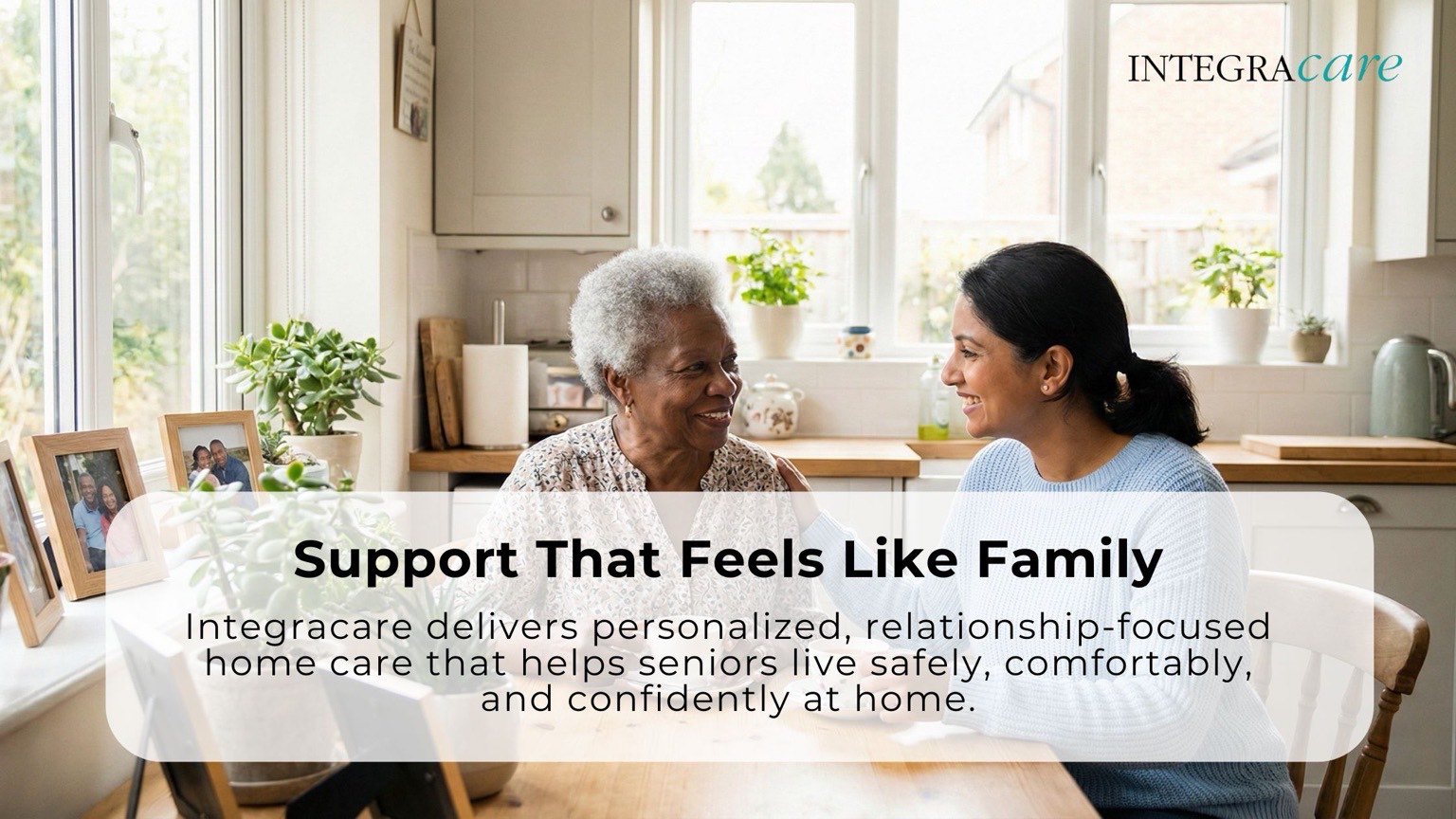
When Memory Fades, Familiarity Becomes a Lifeline
For individuals living with memory loss, consistency is essential. New environments and unfamiliar faces can create distress and confusion.
A stable dementia care routine offers reassurance.
Caregivers trained in dementia-friendly strategies recognize emotional signals and respond with calm, supportive guidance. Familiar voices reduce agitation and promote trust. By preserving routines and environments, individuals feel safer and more connected. Consistency helps maintain identity, reduces anxiety, and creates moments of clarity that strengthen emotional bonds and reinforce a sense of belonging.
For individuals experiencing cognitive decline, even minor changes can feel overwhelming. A consistent caregiver becomes a steady presence that offers emotional grounding during moments of confusion or fear. Familiar voices, routines, and environments provide reassurance when memory falters.
Over time, this stability reduces distress and helps individuals feel less isolated in their experience. It also supports communication, as caregivers learn nonverbal cues and emotional patterns. These relationships preserve dignity, strengthen emotional safety, and maintain connection even as memory changes.
Care That Adapts Without Disruption
Life changes. Health evolves. Needs shift.
Consistent care ensures that support adapts smoothly. Supporting this approach, Ontario Health’s quality standard on transitions between hospital and home outlines how structured, coordinated transitions can improve continuity of care and reduce stress on individuals and families.
Because caregivers understand history and preferences, adjustments feel natural rather than abrupt. Care transitions are guided by collaboration, communication, and compassion. This continuity protects routines and emotional comfort while allowing care to grow with the individual. Families experience confidence knowing that evolving needs will be met without sacrificing stability or trust.
As health needs evolve, consistent care ensures that adjustments feel supportive rather than unsettling. Because caregivers already understand routines, preferences, and emotional cues, changes can be introduced gradually and respectfully. This approach minimizes stress and protects a sense of normalcy.
Families do not have to fear sudden shifts in care. Instead, they experience a thoughtful transition that prioritizes comfort and trust. Continuity allows care to grow alongside the individual, preserving stability while responding to new challenges with compassion.
The Quiet Strength of Showing Up Every Day
Consistency may not be dramatic. But it is powerful.
It creates safety. It builds connection. It fosters dignity. It strengthens families.
Daily presence transforms care into companionship, reflecting the true heart of home health care . Through reliability, patience, and empathy, caregivers offer more than assistance. They offer belonging. This steady commitment reminds individuals that they are valued, understood, and supported. Over time, these moments accumulate into something extraordinary. A life shaped by care that is steady, compassionate, and deeply human.
There is reassurance in knowing someone will arrive with the same warmth, understanding, and attentiveness each day. This predictability builds emotional security and reinforces trust. Over time, consistent presence becomes a source of comfort that anchors daily life. It reminds individuals that they are not alone and that their needs truly matter. These steady moments, though simple, create lasting impact. They shape a care experience rooted in compassion, reliability, and connection that gently supports the whole person.
Free In-Home Assessment
The Care Your Family Deserves Starts Here
Speak with our team about a personalized care plan. Book a free, no-obligation in-home assessment and we will help you find the right support for your loved one.
About the Author: Lee Grunberg

President & CEO, M.B.A.
Lee joined Integracare as President & CEO on August 2, 2016 after an approximately 20 year career in Private Equity and Investment Banking. Lee brings tremendous operational knowledge and governance experience along with an incredible passion and energy to Integracare.