
Blog
Winter Is Here—And So Are Slips, Chills & Cabin Fever! Here’s How to Keep Your Aging Loved Ones Safe
Published
Updated
Written by Lee Grunberg, M.B.A. — President & CEO
Reviewed by Bethel McMaster, BScN, RN — Director of Business Development
On this page15 sections
At Integracare Home Care, we know that winter isn’t just about bundling up—it’s about making sure your aging loved ones stay safe, feel cared for, and remain warm, both inside and out.
As the days get shorter and the air turns sharp, winter safety stops being a suggestion and becomes a non-negotiable. Slippery sidewalks, freezing temperatures, and long, lonely nights? Not on your watch.
From preventing falls to keeping spirits high and toes warm, here’s how you can help your aging parents or loved ones stay safe, comfortable, and happy all season long.
1. Watch Your Step—Winter is a Slip-and-Slide Waiting to Happen
One wrong step on an icy sidewalk, and suddenly, your loved one is at risk of a serious fall. Slips and falls are one of the leading causes of injuries among aging adults, making fall prevention a top priority in winter.
To help keep your aging parent or loved one safe, make sure outdoor spaces are clear of snow and ice. Regularly shovel walkways, add salt or sand for traction, and use non-slip mats at entry points. If clearing snow isn’t an option, consider hiring a reliable snow removal service to reduce the risk of falls.
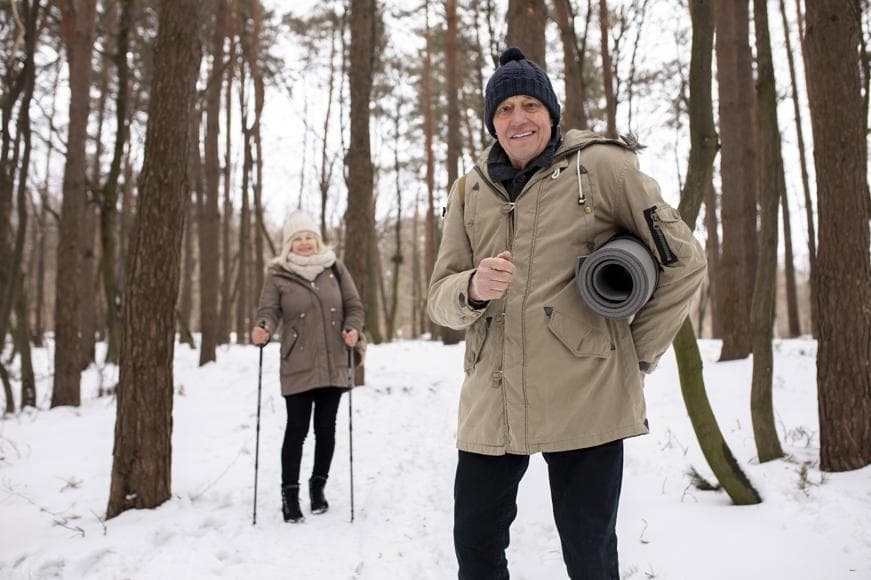
Proper footwear is also essential. Encourage your loved one to wear boots with good tread, ankle support, and non-slip soles to improve stability on slippery surfaces. If they use a cane or walker, make sure it has winter-friendly attachments for added traction.
A little extra precaution can go a long way in preventing falls and ensuring your loved one stays safe this winter. Learn more about common injuries among aging adults and how to prevent them.
2. Layer Up—Because Cold is Not Just Uncomfortable, It’s Dangerous
Cold weather isn’t just inconvenient—it can be a serious health risk. Hypothermia and frostbite are real concerns, especially for older adults who may have reduced circulation or difficulty regulating body temperature.
To help keep your parent or loved one warm, encourage proper layering. Start with a moisture-wicking base layer to keep skin dry, add insulating materials like fleece or wool, and finish with a thick, water-resistant winter coat. Don’t forget cold-weather essentials—hats, scarves, gloves, and thermal socks help protect extremities and prevent heat loss.
If your loved one struggles with winter stiffness or poor circulation, massage therapy can help ease muscle tension, improve blood flow, and provide a moment of relaxation during the colder months.
3. Let There Be Light
The sun sets earlier, and suddenly, it feels like bedtime at 5 p.m. Shorter daylight hours can be disorienting, making it harder for individuals to navigate their space safely. Poor lighting, especially on stairways, hallways, and entryways, increases the risk of trips and falls. Installing motion-sensor lights outdoors and using bright, adjustable indoor lighting can make a huge difference.
Natural light is equally important. It doesn’t just help with visibility—it lifts the mood. Keeping windows clean and curtains open during the day can bring in as much sunlight as possible, reducing seasonal depression and making the home feel more inviting. Even small adjustments, like repositioning furniture to maximize daylight exposure, can improve the overall ambiance.
Consider adding warm-toned lighting indoors to create a cozy, inviting atmosphere. Table lamps, overhead lights, or even battery-powered LED candles can help individuals feel comfortable and safe in their space. Good lighting isn’t just practical—it’s a mood booster, too.
4. Move a Little, Feel a Lot Better
t’s tempting to sink into the couch all winter long, but staying active is one of the best ways to maintain overall health and independence. Regular movement strengthens muscles, prevents stiffness, and improves circulation, reducing the risk of falls and other mobility issues.
Encourage gentle indoor activities like chair exercises, stretching, or yoga to keep joints limber and ease aches and pains. Even simple movements, like walking around the house or doing light household tasks, can make a difference.
For loved ones who need extra support, physiotherapy services can be incredibly beneficial. A professional physiotherapist can create a personalized routine to help manage chronic pain, improve mobility, and prevent injuries.
5. Winter Nutrition—Because Comfort Food Should Still Be Nutritious
Cold weather often brings cravings for heavy comfort foods, but individuals still need a balanced diet to stay healthy. Nutrient-rich meals with fruits, vegetables, lean proteins, and whole grains help keep energy levels up and strengthen the immune system. Soups and stews loaded with vitamins can be both warming and nutritious.
Vitamin D deficiency is common in winter due to limited sun exposure. Individuals should incorporate vitamin D-rich foods like fortified milk, fatty fish, and egg yolks into their diets. If necessary, a doctor may recommend supplements to ensure adequate intake.
Hydration is just as important in winter as it is in summer. Dry indoor air can contribute to dehydration, leading to headaches, fatigue, and dry skin. Encourage individuals to drink plenty of fluids, whether that’s herbal teas, warm broths, or even just water with lemon.
6. Stay Social—Small Chats, Big Impact
Winter can be isolating, especially when bad weather keeps people indoors. Loneliness is a serious concern for individuals, making social interaction essential. Phone calls, video chats, or in-person visits (when possible) help prevent feelings of isolation and depression.
Hobbies are a great way to keep the mind engaged. Winter-friendly hobbies like knitting, puzzles, and reading provide mental stimulation while also offering a sense of accomplishment. Encouraging individuals to take up a new skill can keep the season from feeling monotonous.
7. Be Ready for the Unexpected
Winter weather can be unpredictable, making preparation key. Snowstorms, power outages, and sudden illnesses can happen without warning, so it’s essential to have an emergency plan in place. Individuals should have a list of emergency contacts easily accessible, including caregivers, doctors, and close family members.
A well-stocked emergency kit is a must. Flashlights, extra batteries, non-perishable food, and a backup supply of medications should be kept on hand in case of a storm. A battery-powered radio can also be useful for staying informed if the power goes out.
For an added layer of safety, consider a personal emergency response system. These devices allow individuals to call for help at the press of a button, providing peace of mind for both individuals and their loved ones.
8. Sleep Well, Stay Well—Quality Rest Matters in Winter
Winter’s shorter days can throw off sleep schedules, making it harder for individuals to get the rest they need. A lack of sleep can weaken the immune system, affect mood, and even increase the risk of falls. Creating a relaxing bedtime routine—like sipping warm tea, avoiding screens before bed, and keeping the bedroom at a comfortable temperature—can help promote better sleep.
Sticking to a consistent schedule is key. Encourage individuals to wake up and go to bed at the same time each day, even when it’s tempting to stay under the covers longer. Blackout curtains can help with early morning light, while soft nightlights make nighttime trips to the bathroom safer.
A good night’s sleep isn’t just about feeling rested—it plays a vital role in overall health and well-being.
9. Keep the Doctor Close—Winter Health Check-Ups are a Must
Cold weather can worsen existing health conditions, making regular check-ups even more important. From flu shots to medication adjustments, winter is the time to ensure individuals are in top shape. Many healthcare providers offer virtual consultations, making it easier to stay on top of appointments without braving the cold.
Individuals should also monitor blood pressure, heart health, and any signs of seasonal depression. Dry winter air can exacerbate respiratory conditions, so using a humidifier indoors may help with breathing issues. For those living with memory loss, dementia care for individuals at home ensures they receive specialized support in a familiar and comforting environment, reducing stress during the winter months.
Keeping an eye on symptoms and staying proactive with healthcare can prevent minor concerns from turning into bigger problems. When in doubt, a quick call to a healthcare provider can provide peace of mind and ensure individuals stay healthy all season long.
10. Beat the Winter Blues—Mindfulness and Mental Wellness
The winter blues are real. Shorter days and less sunlight can take a toll on mental health, leading to seasonal affective disorder (SAD) in some individuals. Finding ways to brighten the mood—whether it’s light therapy, engaging activities, or simply reminiscing over old photos—can help combat the gloom.
Mental stimulation is just as important as emotional well-being. Engaging in puzzles, word games, or even learning a new skill can help boost cognition this winter. Keeping the brain active through fun challenges can improve memory, focus, and overall mental clarity.
Encouraging mindfulness through meditation or breathing exercises can also reduce stress and anxiety. Even journaling thoughts and gratitude lists can have a positive impact. Winter is the perfect time to focus on self-care and mental well-being.
11. The Power of Pets—Furry Friends Bring Warmth and Joy
For individuals who have pets, winter can be a little less lonely. Dogs and cats provide companionship, encourage movement, and even lower stress levels. Simply petting an animal can release feel-good hormones that help combat anxiety and depression.
That said, winter poses challenges for pet care, too. Slippery sidewalks can be dangerous for both individuals and their furry friends. Using pet-safe ice melt and walking dogs during the warmest part of the day can help. For those who find winter walks too challenging, indoor play and enrichment toys can keep pets active.
Pets aren’t just companions—they’re mood boosters that make winter days feel a little warmer.
12. Stay Tech-Savvy—Using Technology to Stay Connected & Safe
Technology can be a game-changer. Video calls, messaging apps, and voice-activated assistants can keep them connected with loved ones and make life more convenient. Smart home devices—like automated lights, smart thermostats, and emergency alert systems—can add an extra layer of safety.
For entertainment, audiobooks, online classes, and virtual museum tours can help pass the time and keep the mind engaged. Even something as simple as learning a new skill online can bring excitement to the season.
Tech may seem intimidating at first, but with a little guidance, it can open up a world of possibilities for individuals looking to stay engaged and connected.
13. Keep the Car Winter-Ready—Safe Driving Tips for Individuals
Winter roads can be treacherous, especially for aging loved ones who may have slower reaction times or vision impairments. If your parent or loved one still drives, help them stay safe by checking weather conditions before they head out and ensuring their car is winter-ready.
Make sure their vehicle is properly maintained by checking:
✔️ Tire pressure and tread for good traction
✔️ Windshield wipers and fluid for clear visibility
✔️ A stocked emergency kit with blankets, a flashlight, water, and non-perishable snacks
If driving in snow and ice feels too risky, consider arranging alternative transportation—whether it’s rides from family, community shuttles, or ride-sharing services. Many areas offer accessible senior transit programs that can be a safe, convenient option.
When in doubt, staying home is always the safest choice. If the roads are icy or visibility is poor, it’s best to reschedule appointments or outings. Your loved one’s safety comes first.
14. Cozy Up Your Space—Creating a Warm and Comfortable Home
A cozy home can make all the difference in winter. Soft blankets, warm lighting, and a good book can turn even the dreariest day into something enjoyable. Keeping the home at a comfortable temperature, sealing drafts, and using humidifiers can help individuals stay warm and comfortable.
For individuals who need extra support, a comforting option is live-in care, which provides round-the-clock assistance while allowing them to stay in the familiar surroundings of their home. Having a dedicated caregiver ensures they remain safe, warm, and well cared for throughout the colder months.
15. Make Winter Fun—Embracing the Season Instead of Enduring It
Winter doesn’t have to be something your loved one simply “gets through.” With the right approach, it can be a season of comfort, joy, and meaningful moments.
Encourage them to find small pleasures in the season—whether it’s baking favorite treats, listening to nostalgic music, or watching classic movies that bring back fond memories. Cozy indoor activities like puzzles, knitting, or reading can also make winter feel more enjoyable.
By creating warm, engaging moments, you can help your loved one enjoy the season rather than endure it.
Need a little extra support this winter? Explore Integracare’s in-home care services—whether it’s help bundling up, preparing comforting meals, or simply making sure there’s always a warm and welcoming space to come home to.
Because winter doesn’t have to be all icy sidewalks and dark evenings. With the right care and a little planning, it can be a season of comfort, connection, and peace of mind. Learn more about home health care and discover how small changes can make a big difference.
Stay safe, stay warm, and find joy in the season.
Free In-Home Assessment
The Care Your Family Deserves Starts Here
Speak with our team about a personalized care plan. Book a free, no-obligation in-home assessment and we will help you find the right support for your loved one.
About the Author: Lee Grunberg

President & CEO, M.B.A.
Lee joined Integracare as President & CEO on August 2, 2016 after an approximately 20 year career in Private Equity and Investment Banking. Lee brings tremendous operational knowledge and governance experience along with an incredible passion and energy to Integracare.