
Blog
Everything You Need to Know about Palliative Care
Published
Updated
Written by Lee Grunberg, M.B.A. — President & CEO
Reviewed by Bethel McMaster, BScN, RN — Director of Business Development

On this page14 sections
Key Takeaways
- Palliative care improves quality of life by managing symptoms and emotional stress for those with serious conditions like cancer or heart failure.
- Home care allows patients to stay comfortable and maintain routines, avoiding the stress of facilities.
- A dedicated team provides personalized support, focusing on pain management, emotional well-being, and therapies tailored to individual needs.
Watching a loved one grow weaker or face a serious illness is incredibly heavy, and it is completely normal to feel overwhelmed trying to manage their care alone. You want to protect their dignity and keep them safe, but providing the specialized medical and physical support they need can feel like an impossible balancing act. Forcing them to leave behind decades of memories for a crowded, expensive care facility often adds unnecessary heartbreak and logistical stress to an already emotional time for your entire family.
Home is where your loved one feels secure, and keeping them there allows them to hold onto the comfort, familiar routines, and independence they cherish. Professional home care steps in to lift that weight from your shoulders, delivering dedicated, one-on-one medical attention right at their bedside. By bringing compassionate, expert support directly to your door, you can stop focusing entirely on complex care logistics and spend meaningful, quality time together as a family.
When a loved one is diagnosed with a life-threatening illness, your entire world changes, and navigating the path forward shouldn't be something you have to face alone. For over 30 years, Integracare has stepped into families' lives as a trusted palliative care agency, providing compassionate, professional home care in Toronto and Mississauga with support available 24 hours a day. We firmly believe that everyone deserves access to exceptional, high-quality care that honours their personal story and protects their comfort. By keeping your loved one in the safe, familiar environment they cherish, we ensure they can live out their days with the true dignity, profound respect, and individualized attention they deserve, wherever they call home.
Our Palliative Care team is trained to handle a wide range of health situations. We have a full staff of Registered Practical Nurses (RPNs) and Personal Support Workers (PSWs) who are trained in Palliative Care and improve the quality of life for your loved one with customized care and support.
If someone you love has recently been diagnosed with a serious illness, consider how Palliative Care might benefit by considering its advantages and how it’s a crucial component to any healthcare plan.
What to Know About Palliative Care
Palliative Care is a type of interdisciplinary treatment that coincides with other healthcare treatments, such as chemotherapy. It is meant to treat the symptoms of serious illnesses and the harsh medical procedures that are associated with treating patients, such as chemotherapy. It’s meant to help patients with physical, emotional, and psychological symptoms.
The intention is to increase the quality of life for patients while they undergo treatments for their disease through compassionate palliative home care that supports both patients and their families.
It’s recommended for individuals who have been diagnosed with the following:
- Cancer
- Alzheimer’s disease and other dementia-related illnesses
- Parkinson’s disease
- Kidney failure
- Congestive heart failure
- ALS and Lou Gehrig’s disease
- Arthritis
- And other life-threatening diseases
It’s critical to formulate a plan as quickly as possible when someone close to you has been diagnosed with an illness that is life-limiting. We understand how difficult this process can be. It’s easy to conceptualize a situation that involves loved ones and illness, but it’s quite a different story to actually conduct it in reality.
At Integracare, we offer Clients compassion, support and empathy. We take time to understand your loved one’s case by talking to them as well as their doctors, understanding the unique symptoms that they experience, and developing a Client-centred care plan that they’ll need in order to feel loved and comforted.
Common Challenges and Misconceptions About Palliative Care
Palliative care often carries a cloud of misunderstanding that can leave families hesitant to seek the support they need. One widespread myth is that palliative care signifies the end of treatment. In reality, it can begin at diagnosis and work alongside curative measures, providing holistic support throughout the illness journey. This care is available for individuals of any age facing serious illnesses and can be offered in many settings, including hospitals, homes, long-term care facilities, or hospices.
There are also misconceptions about timing: many people believe that palliative care is reserved exclusively for the final days of life. This notion overlooks the fact that palliative care supports individuals at various stages of serious illness, aiming to improve quality of life regardless of the stage of the disease. Families often grapple with concerns such as:
- Timing of Support: Wondering if they’re asking for palliative care too soon or too late can create anxiety about whether they are making the right decision for their loved ones.
- Readiness for Support: Families may hesitate, questioning if their loved one is "ready" for this type of assistance or if it signals giving up hope.
- Accessing Care: Many assume that palliative care is only available through hospital settings, not realizing that it can also be provided at home, in long-term care facilities, or in hospice environments.
- Managing Symptoms: Concerns about pain, nausea, anxiety, or breathlessness without adequate support can leave families feeling helpless and overwhelmed.
- Decision-Making: Facing difficult choices without clear guidance or emotional support can add to the stress during an already challenging time.
Palliative care exists to ease these burdens. It helps individuals feel informed, supported, and less isolated during a challenging time, providing families with a safe space to ask tough questions and navigate overwhelming scenarios together. By understanding these common misconceptions, families can better advocate for the care and support they deserve.
Types of Support and Benefits
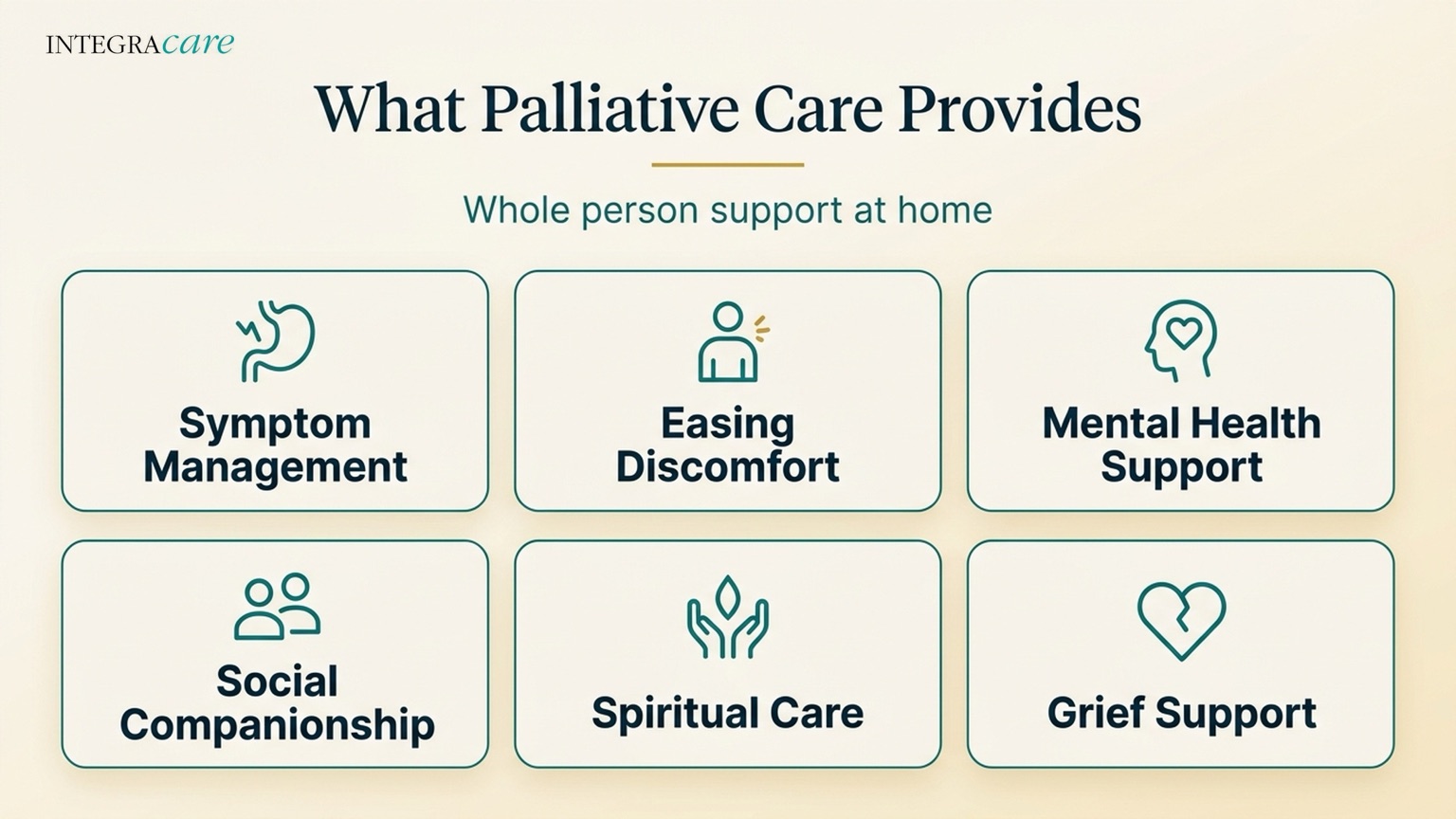
So, what kind of support does palliative care truly provide? The beauty of palliative care lies in its holistic approach, focusing on caring for the whole person, not just the illness. This means addressing both medical symptoms and everyday life challenges, ensuring that emotional, social, and spiritual needs are met. In Canada, the palliative care team may assist with a variety of support services, such as:
- Symptom Management: Helping manage pain and other uncomfortable symptoms effectively, which may involve medication adjustments, physical therapy, or alternative therapies.
- Easing Discomfort: Providing relief from nausea, fatigue, constipation, anxiety, and shortness of breath, allowing individuals to feel more comfortable in their daily lives.
- Mental Health Support: Reducing stress, fear, and depression for both patients and families by offering counselling and support resources to help navigate complex emotions.
- Social Support: Offering companionship and social interaction when caregiving feels overwhelming, helping combat feelings of isolation.
- Spiritual Care: Respecting spiritual beliefs and personal values, with chaplains or spiritual advisors available to offer guidance and comfort.
- Decision-Making Assistance: Explaining care options and decisions, helping families weigh their choices, and involving them in the planning process.
- Grief Support: Providing emotional support before and after loss, helping families prepare for the eventuality of losing a loved one.
Depending on the program, support may also extend to allied health services such as physiotherapy, occupational therapy, or massage therapy, though availability varies by location and provider.
This comprehensive support can transform the treatment experience, making it feel more manageable while empowering individuals to maintain control over their care decisions. Families often face uncertainty about what to expect due to the complexities of illness, and palliative care provides them with clearer information and practical guidance that alleviates fears and confusion during this pivotal time.
The Highest Standards of Care
We understand how much it matters to trust the hands that care for your loved one, especially during life's most vulnerable moments. That is why our wonderful Caregivers, PSWs, and RPNs are not only highly educated and trained in specialized care, but are also chosen through a deeply rigorous screening process that prioritizes genuine empathy and kindness. We are completely dedicated to bringing the gentlest, highest quality in-home support to hearts and homes across the GTA, providing specialized Palliative Care for cancer patients and compassionate comfort to all of our Clients when they need it most.
We focus on making people pain-free, both physically and emotionally. Integracare Palliative Care is comprised of:
- Paying close attention to physical symptoms such as nausea, loss of appetite, confusion, and insomnia
- Providing sincere companionship and a loving, empathetic ear to all Clients
- Tending to the concerns of other family members and making sure their voices are heard
- Ensuring that Clients are treated with respect and dignity at all times
- Respecting the cultural traditions and needs of Clients and their families
- Using a team approach to provide support on all levels, including PSWs, spiritual advisors, physiotherapists, Registered Massage Therapists (RMTs), and other medical staff
We have a diverse team of outstanding Caregivers. In addition to providing compassionate Palliative Care, we also provide Clients with gentle massage therapy and physiotherapy.
These services help diminish physical symptoms of pain and help treat other symptoms such as depression, insomnia, and headaches.
Our RMTs and certified physiotherapists come directly to your loved one’s door with any necessary equipment. That is one of the conveniences of Integracare’s Palliative Care at home. Clients don’t have to leave their homes to receive vital, nourishing services that will help and comfort them.
Sourcing Essential Assistive Devices for a Smooth Transition
Acquiring the right assistive devices and medical equipment is an important aspect of Palliative Care, and families sometimes struggle with attaining the right devices. Integracare can help you receive the medical equipment and assistive devices you need to make the transition to home healthcare easy and effective.
There are several non-prescription pharmacy and nursing supplies that Integracare can also procure for you and your loved one, including:
- Wound care supplies
- Incontinent pads
- Wound care dressings
- Diabetic supplies
- Gloves
You won’t have to worry about a thing. Leave the healthcare to us so you can spend quality time with your loved one and family.
Palliative Care Basics: The Core Principles
We understand how deeply painful it is to watch a loved one struggle through a serious illness, which is why our approach to Palliative Care is all about diminishing suffering and providing support to all of our Clients. We walk alongside your family to lift the heavy physical and emotional burdens of care by delivering three essential aspects of support:
- Pain Management: Our trained Caregivers help to manage pain that occurs from illness and other treatments by offering massage therapy, gentle exercise, and activities, as well as managing any medications prescribed by a doctor. Our RMTs are fully trained to operate medical devices, and we also offer wound care when needed.
- Emotional Support: We offer friendship to Clients and are there when you’re unable to be. We can suggest psychological support for individuals who might experience heightened bouts of depression or anxiety during this challenging time.
- Spiritual Support: We’re not a spiritual agency at Integracare, but we can work with family members and speak with spiritual leaders in your community if your loved one would like to feel closer to their faith.
We truly believe that being comfortable at home has advantages that you can’t find in a facility. Our Clients receive personalized one-on-one care, and our Palliative Care team is there 24 hours a day, if necessary.
How Palliative Care and End-of-Life Care Work Together
Palliative care and end-of-life care are closely connected, yet they serve different purposes, and understanding this distinction can make a world of difference for families navigating these challenging times.
Palliative care can begin early in the journey of a serious illness and continue alongside active treatment. It supports individuals of any age, no matter what stage they’re at, focusing on improving their overall quality of life while addressing physical, emotional, and spiritual needs. This holistic approach ensures that everyone receives care tailored to their unique circumstances, no matter where they are.
On the other hand, end-of-life care refers specifically to the support provided during the final days and hours of life. This type of care is part of hospice palliative care, where the emphasis shifts even more toward comfort, dignity, and providing emotional support for loved ones.
Here’s an easy way to think about it:
- Palliative Care: Can start from the moment of diagnosis and continues through various stages of illness.
- End-of-Life Care: Typically comes later, focusing on the last days and hours of life.
Both types of care aim to enhance comfort and improve quality of life, ensuring family support is included while respecting the individual’s wishes and values.
This understanding is important because many families wait too long to seek help. Once they realize that palliative care isn’t only associated with the end of life, they often feel more empowered to reach out sooner. Early support can transform a difficult situation into something more manageable, creating space for those meaningful conversations before decisions need to be made quickly.
Where Can Palliative Care Be Provided?
Palliative care doesn’t have to be confined to one location; instead, the right setting depends on each individual’s health conditions, needs, and comfort levels. In Canada, there are several options available that make it easier for families to choose what works best for their loved ones:
- Home-Based Care: For many, being at home offers a sense of comfort and familiarity that can ease stress during tough times. It allows seniors to remain close to loved ones while receiving care in a safe environment.
- Hospital Support: Sometimes, symptoms need closer monitoring, and hospital settings can provide the necessary level of care and expertise.
- Clinic Visits: Regular check-ins at outpatient clinics can help keep track of health progress and address any concerns with a healthcare provider.
- Long-Term Care or Assisted Living: These settings provide ongoing support for individuals who may need more structured assistance while still maintaining their independence.
- Hospice Care: For those whose needs are best met in a hospice setting, this option focuses on providing compassionate end-of-life care that emphasizes comfort and dignity.
Home care is often especially meaningful for families seeking privacy, familiarity, and a calmer atmosphere. It can also reduce the stress of travel and help maintain a sense of normalcy in daily life.
In-home palliative care may offer
- Support from a Diverse Care Team: Nurses, personal support workers, social workers, and other specialists come together in the comfort of the home to ensure comprehensive care.
- Essential Equipment and Supplies: Home care can include the provision of tools and supplies that facilitate easier daily living, ensuring that care is as seamless as possible.
- Rehabilitation Services: Programs may incorporate physiotherapy, occupational therapy, or even massage therapy to enhance comfort and mobility, when available.
- Wound Care: In-home support can address skin care needs or injuries as they arise, providing immediate help without the need for unnecessary trips to a clinic.
- Collaboration with Healthcare Providers: The coordination among nurses, doctors, and other professionals ensures everyone is on the same page, alleviating confusion and giving families clarity on what to expect.
When care is well-coordinated, families often feel less overwhelmed. They know who to contact, what steps to take, and how to navigate the complexities of care as it unfolds. Just remember that accessibility and team composition can vary by province and territory, so it’s essential to explore what's available locally.
Palliative Care: Questions to Ask
Palliative care is a sensitive issue, and it always helps the more you know about what kind of services are provided as part of it and what you should expect. These are some of the most important questions to ask a palliative care team about your loved one so that you’re ready and prepared for what comes next.
- What is included in palliative care?
- Who is part of the palliative care team?
- How long will palliative care last for your loved one?
- How are family members and friends involved in palliative care?
- How will the palliative care team communicate with the family?
- What decisions will you have to make as part of palliative care?
These palliative questions for nurses and doctors will help you understand the process of palliative care and the expectations of yourself and the palliative care team.
Who to Ask Questions About Palliative Care?
Who should you ask questions about palliative care? That may depend on the nature of your question. Our team at Integracare can answer many of your palliative care questions, such as what palliative care is and whether your loved one is eligible to receive it. However, more specific questions about treatment and care should be directed to care providers themselves.
Why Families Choose Home-Based Palliative Care
For many families, home is a sanctuary, a familiar and calming environment that can ease the stress during difficult times. Choosing home-based palliative care often makes this experience more comfortable for both patients and their loved ones. Here are a few reasons families embrace this option:
Staying in a Familiar Environment: Being at home allows for a sense of security and peace that can enhance the overall experience of care, allowing individuals to live out their days with true privacy and dignity.
Maintaining Daily Routines: Keeping everyday activities as normal as possible creates a sense of stability, which is especially important during challenging times.
Receiving Personal, One-on-One Attention: Home care means that individuals receive focused, client-centred support tailored to their unique needs by a dedicated caregiver, ensuring they feel valued and cared for.
Reducing Travel Stress: With specialized care provided at home, families can avoid the added strain of travel and frequent emergency room visits during an already emotional period.
Involving Family Members in Care: Home-based care invites family members to be part of the caregiving process, fostering connection and collaboration while alleviating the pressure of managing complex health demands alone.
Having trained caregivers come into the home can alleviate the pressure of managing everything alone. This support fosters a nurturing environment where families can focus on being together rather than feeling overwhelmed by logistics.
What Home-Based Palliative Care Includes
- Interdisciplinary Medical and Support Teams: Care is delivered through a team approach that fully utilizes Registered Practical Nurses (RPNs) and Personal Support Workers (PSWs) who are specialized in managing complex, life-threatening conditions.
- In-Home Physiotherapy and Massage Therapy: Specialized, gentle treatments are brought directly to the client's door by Registered Massage Therapists (RMTs) and certified physiotherapists to alleviate severe body pain, headaches, insomnia, and depression.
- Procurement of Medical Equipment and Nursing Supplies: Direct assistance in sourcing vital assistive devices and non-prescription pharmacy supplies, including wound care dressings, diabetic supplies, incontinent pads, and gloves.
- Holistic Symptom and Side Effect Management: Comprehensive care plans designed to actively reduce physical and psychological distress, targeting pain, nausea, anxiety, fatigue, and the harsh side effects of primary medical treatments like chemotherapy.
- Seamless Coordination and Patient Advocacy: Caregivers work in close alignment with the client’s primary physicians and external health teams, streamlining communications while introducing crucial discussions regarding ongoing symptom management.
For many families, the greatest benefit of home-based palliative care is peace of mind. Knowing that their loved one is receiving compassionate, respectful care in a familiar setting from highly trained, registered health professionals helps families cherish their time together during life's most challenging moments.
Talk to Us About Palliative Care
Let us help you and your family find some peace during this turbulent time. It’s not always going to be smooth, but with our professional and empathetic team of Caregivers, you can rest easy knowing your loved one is in good, kind hands.
For more information on Integracare’s Palliative Care services, please visit Toronto Palliative Care and call for a free in-home assessment.
Frequently Asked Questions About Palliative Care
What is palliative care, and who is it for?
Palliative care is specialized medical support focused on relieving symptoms and improving quality of life for people with serious or life-limiting illnesses. It can be provided at any stage of illness and alongside treatments like chemotherapy or other therapies.
What services are included in palliative home care?
Palliative home care typically includes pain and symptom management, emotional support, and coordination with healthcare providers. It may also involve physiotherapy, massage therapy, wound care, and assistance with medical equipment to support comfort at home.
How is palliative care different from hospice care?
Palliative care can begin at diagnosis and continue alongside curative treatments, while hospice care is usually reserved for end-of-life care when treatment is no longer pursued. The key difference is timing and whether active medical treatment is still part of the care plan.
Who is part of a palliative care team?
A palliative care team often includes nurses, personal support workers, therapists, and other healthcare professionals working together to support the patient. They may also collaborate with doctors, specialists, and spiritual advisors depending on the patient’s needs.
Can palliative care be provided at home?
Yes, palliative care can be delivered in the comfort of home, allowing patients to remain in a familiar and supportive environment. Home-based care also provides more personalized, one-on-one attention and helps maintain daily routines.
Free In-Home Assessment
The Care Your Family Deserves Starts Here
Speak with our team about a personalized care plan. Book a free, no-obligation in-home assessment and we will help you find the right support for your loved one.
About the Author: Lee Grunberg

President & CEO, M.B.A.
Lee joined Integracare as President & CEO on August 2, 2016 after an approximately 20 year career in Private Equity and Investment Banking. Lee brings tremendous operational knowledge and governance experience along with an incredible passion and energy to Integracare.